Tanzania sees institutions with over 100 people using clean energy
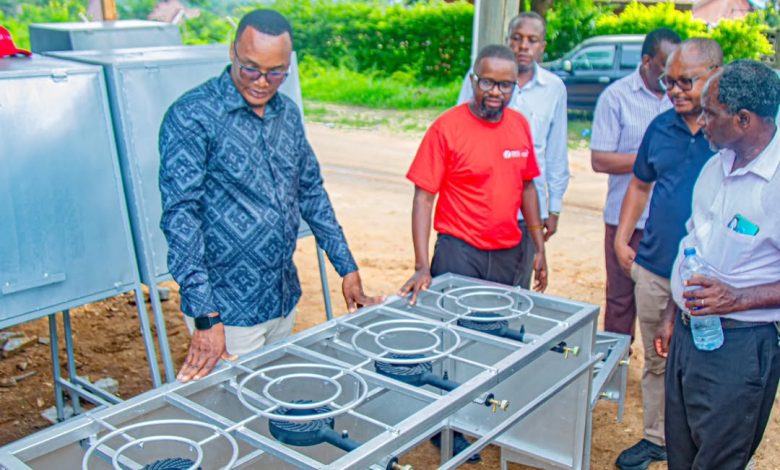
MKURANGA: IT has been stated that the use of clean cooking energy continues to create numerous employment opportunities for Tanzanians, particularly in the production of alternative charcoal and the manufacturing of machines used to produce it.
The statement was made by the Director of Clean Cooking Energy at the Ministry of Energy, Nolasco Mlay, during his visit to the Wazalendo Movement Institute located in Mkuranga District, Pwani Region. The institute is engaged in the manufacturing of alternative charcoal production machines as well as the production of the charcoal itself.
Mlay said that many institutions serving 100 people and above have begun transitioning to clean cooking energy, a move that has significantly increased the demand for alternative charcoal and, consequently, the need for faster and large-scale production.
ALSO READ: Energy Ministry trains staff on how to implement the clean energy campaign
“I commend you for the good work you are doing in producing alternative charcoal and the machines used to manufacture it. This is a great opportunity for Tanzanians due to the high demand. However, it is important to ensure that the charcoal produced is of high quality and durable, even when transported over long distances,” he emphasized.
On his part, a Senior Engineer from the Rural Energy Agency (REA), Deusdedit Malulu, stressed the importance of involving the Tanzania Bureau of Standards (TBS) in the production process of alternative charcoal to ensure that the products meet the required standards.
Additionally, Malulu urged producers to register on the NEST system to access various opportunities, noting that REA has a plan to provide opportunities for citizens to participate in machine manufacturing in order to increase the availability of equipment used in the production of alternative charcoal.
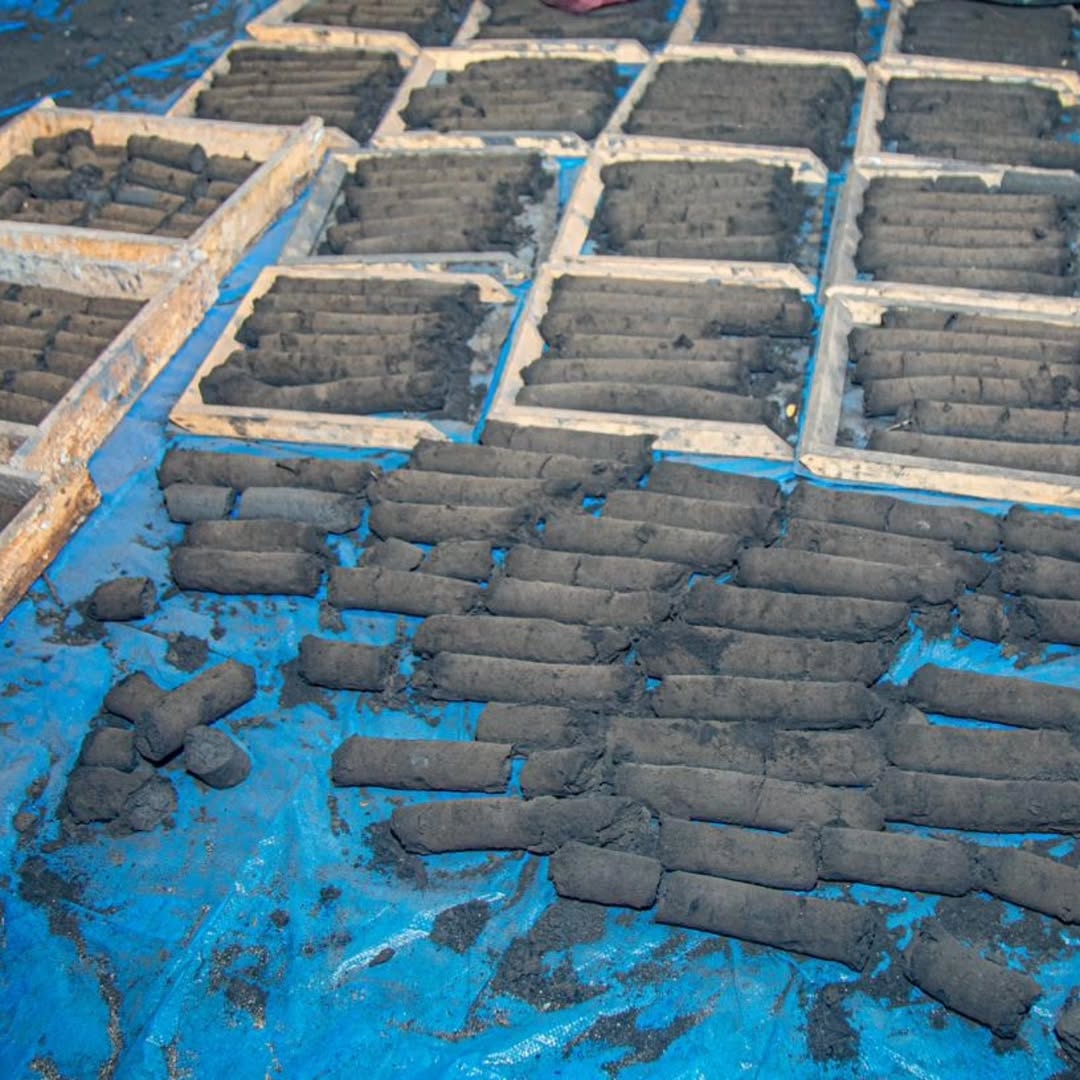
Meanwhile, the Executive Director of the Wazalendo Movement Institute, Saidi Malema, said that the institute has established a clean cooking energy group engaged in producing alternative charcoal made from maize cobs and dry grass, as part of efforts to promote the use of clean cooking energy in the country.