Geita enrols over 55,000 pupils ahead of 2026 academic year

GEITA: GEITA Region has successfully enrolled 21,954 pre-primary pupils, equivalent to 27 per cent of the target of enrolling 79,934 children ahead of the 2026 academic year.
Similarly, enrolment for Standard One pupils has reached 34,007, representing 33 per cent of the target of 103,176 pupils.
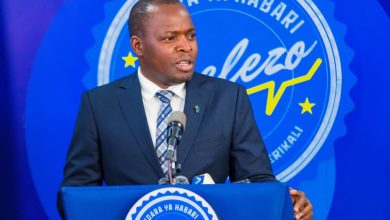
Geita Regional Education Officer, Mr Anthony Mtweve, disclosed the figures in an exclusive interview with the Daily News, explaining that the early enrolment exercise began in September 2025.
He said Bukombe District Council enrolled 2,466 preprimary pupils, equivalent to 31 per cent of its target, while Chato District Council enrolled 2,905 pupils, representing 21 per cent. Geita District Council enrolled 4,206 pre-primary pupils, equivalent to 27 per cent, while Geita Municipal Council enrolled 897 pupils, representing 18 per cent.
ALSO READ: Govt allays public fears over TAZARA revival deal
“Mbogwe District Council enrolled 1,080 pupils, equivalent to 10 per cent, while Nyang’hwale District enrolled 5,368 pupils, equivalent to 73 per cent of its target,” Mr Mtweve said.
Regarding Standard One enrolment, Bukombe District Council achieved 44 per cent with 4,619 pupils enrolled, while Chato District enrolled 4,262 pupils, equivalent to 23 per cent.
Mbogwe District enrolled 1,302 pupils, representing 10 per cent, while Geita District Council enrolled 14,565 pupils, equivalent to 35 per cent of its target. Geita Municipal Council enrolled 2,720 pupils, representing 22 per cent, while Nyang’hwale District recorded the highest performance with 6,539 pupils enrolled, equivalent to 87 per cent.
Mr Mtweve urged parents and guardians to continue cooperating with education authorities by enrolling their children early to avoid challenges associated with delays at the start of the school year.
He stressed that the region is determined to meet or exceed its enrolment targets to ensure that every child accesses the right to education.
“The government has invested significantly in the education sector by improving infrastructure, recruiting teachers and providing learning materials. It is now our collective responsibility to ensure that no child is left behind,” he said.