Strong export performance narrows Tanzania’s external gap
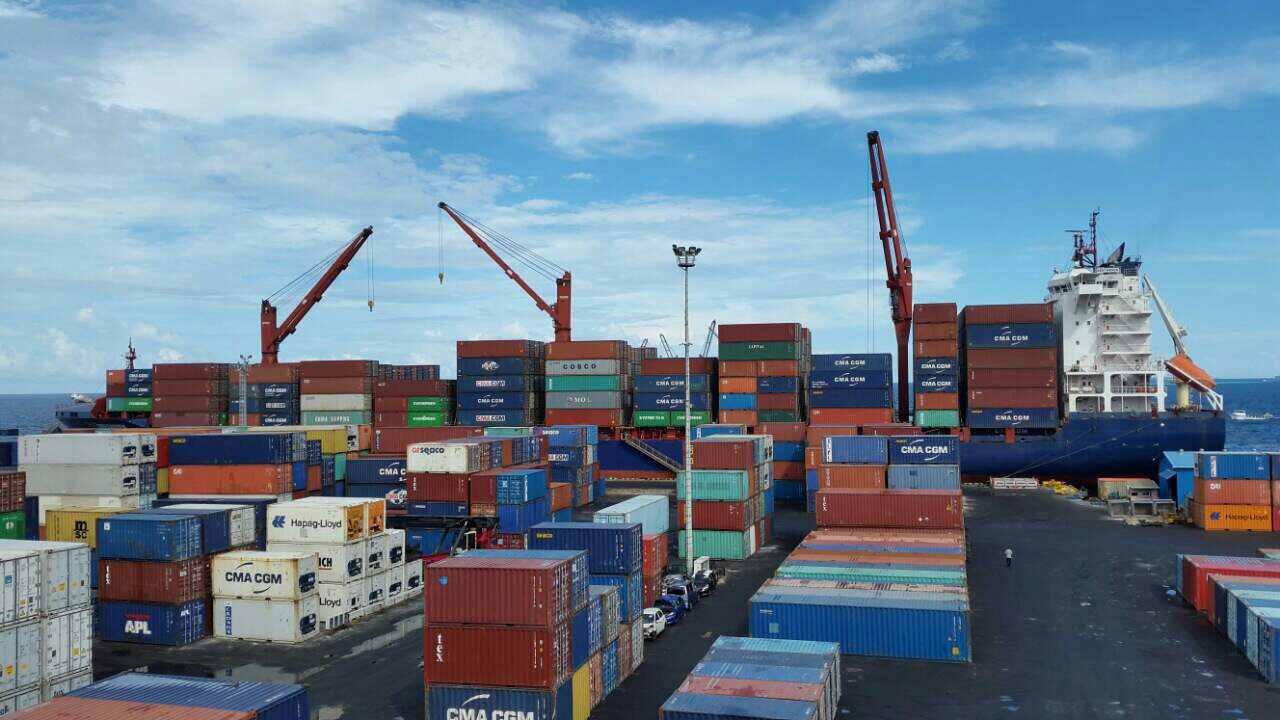
DAR ES SALAAM: Strong export performance played a decisive role in narrowing the current account deficit in the year ending October, signalling a marked improvement in the country’s external balance as stronger foreign earnings helped offset import pressures.
During the period, current account deficit narrowed to 2.22 billion US dollars for the year ending October, down from 2.89 billion US dollars last year, equivalent to 2.4 per cent of GDP, marking a significant improvement from over 6 per cent of GDP in 2022.
Also, moderated import demand and improved external inflows contributed to the narrowing of the current account deficit, signaling enhanced macroeconomic stability and a more sustainable balance of payments position.
The latest Bank of Tanzania monthly economic review suggests the improvement was largely export-led, with stronger earnings from gold, tourism services and key agricultural commodities such as cashew nuts and tobacco bolstering the balance of payments and reinforcing the country’s external position.
“The improved exports were accompanied by a decline in imports due to moderate prices in the world market and increase in domestic production of some consumer goods, which were largely imported previously,” stated the report.
ALSO READ: TZ eyes 124tri/- investment
This export-driven recovery points to improved foreign exchange inflows and reduced pressure on external financing, enhancing macroeconomic stability at a time of global uncertainty and highlighting the growing role of commodity and service exports in supporting Tanzania’s external resilience.
Foreign exchange reserves continued to rise during the period, reaching approximately 6.17 billion US dollars by the end of October, sufficient to cover 4.7 months of projected imports of goods and services.
This level not only exceeds national and East African Community (EAC) benchmarks but also indicates strengthened external liquidity, reduced vulnerability to external shocks and enhanced capacity to support the currency and import requirements.
The rising reserves also reflect sustained foreign exchange inflows from exports and tourism, alongside prudent macroeconomic management, positioning the economy to better absorb potential external financing pressures while supporting investor confidence and balance-of-payments stability.
During the period under review, exports of goods and services rose to 17.04 billion US dollars for the year ending October, up from 15.13 billion US dollars in the same period last year, reflecting a robust recovery in key sectors.
The increase underscores strengthened external demand, improved competitiveness in exports such as gold, tourism and agricultural commodities and a positive contribution to narrowing the current account deficit and enhancing foreign exchange reserves.
The export of goods reached 10.14 billion US dollars, an increase from 8.46 billion US dollars in the previous year. This increase was driven by higher exports of gold, manufactured goods, tobacco, cashew nuts and coffee. Notably, the value of gold exports surged by 38.9 per cent to 4.59 billion US dollars, up from 3.31 billion US dollars mainly driven by higher global gold prices.
Traditional exports rose to 1.44 billion US dollars, representing a 25.2 per cent increase, driven by higher tobacco and cashew nut exports, explained by both price and volume gains.
Cereal exports, largely maize and rice, increased to 312.5 million US dollars from 221.6 million US dollars, associated with increased demand from neighbouring countries.
On a monthly basis, the value of goods exports rose to 949.2 million US dollars in October, up from 928.3 million US dollars in a similar period last year, driven largely by strong performance in gold and manufactured goods.