Push to boost special needs learning
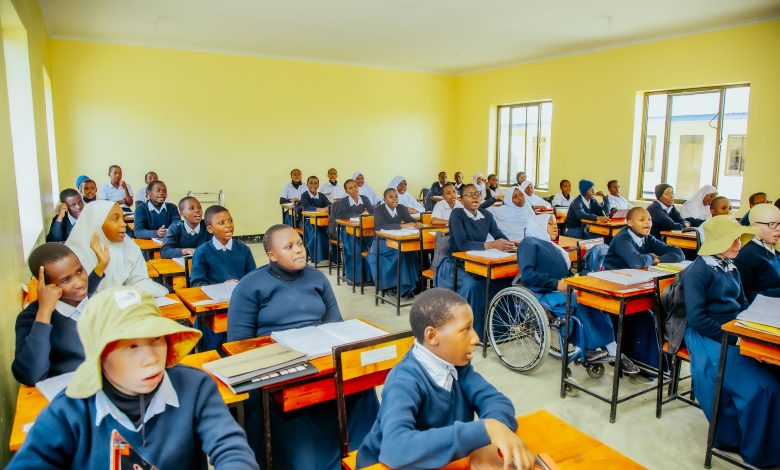
MOROGORO: EDUCATION development stakeholders have called on the government to establish assessment and identification centres for children with disabilities and special needs at the district level, in order to reach more children who are supposed to enrol in pre-primary and primary schools.
The appeal was made recently in Morogoro during an evaluation and handover meeting for the Inclusive Education Project (TASK ORDER 51), which was being implemented in Shinyanga Municipal Council, Shinyanga District Council and Misungwi District Council in Mwanza Region from 2022 to 2025.
Project Coordinator for Inclusive Education at the non-governmental organisation Sense International, Mr Gerald Tuppa, said inclusive education is a process aimed at increasing participation in learning for all children, including those with special needs, so that they can learn without barriers and therefore it should be further improved.
Mr Tuppa said that the project was implemented in cooperation with Sense International, ADD International, Tanzania Cheshire Foundation and Light for the World from Kenya.
During the period, three assessment and identification centres were established in the mentioned councils.
He said the centres have helped to assess 1,864 children with special needs, of whom 1,468 benefited from the project by being enrolled in schools to access education, while others received assistive devices.
ALSO READ: Key tips for parenting children with special needs
According to Mr Tuppa, the project achieved significant successes in the councils by providing assistive devices to 121 students, including wheelchairs, eyeglasses, hearing aids and prosthetic devices.
The project coordinator added that a total of 15 primary schools benefited from enabling infrastructure, including the construction of toilets and the renovation of classrooms.
Meanwhile, Monitoring and Evaluation Officer from Light for the World, Kenya, Wycliffe Nyakundi, said their involvement in the project greatly helped in mobilising communities to enrol children with special needs in school.
Nyakundi explained that the methods used to encourage communities to register their children were participatory, involving teachers and organisations for people with disabilities, which largely helped parents realise the importance of education for their children, unlike before.
For her part, Ms Agnes Mwingira, Acting Assistant Director of Special Education from the Prime Minister’s Office – Regional Administration and Local Government said the government will continue to support the efforts of various stakeholders in promoting education for people with special needs.
Ms Mwingira noted that the government is continuing the process of decentralising assessment centres to the district level, so that children undergo assessments before being enrolled in school, unlike the current system where such centres are only available at the regional level.