Roads are infrastructures, dignity, opportunities and future
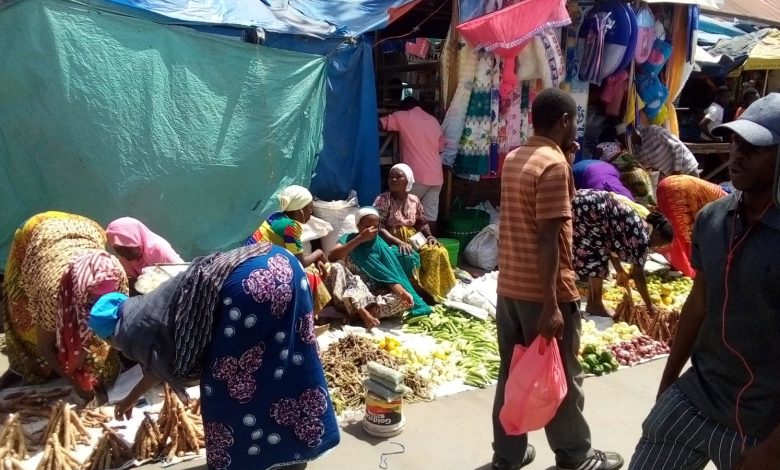
EARLY mornings in Iringa are cold. Before the sun rises, people step out of their homes to begin the day. Some walk to farms, others head to school, hospitals, or local markets. For many years, these everyday journeys were filled with uncertainty.
During the rainy season, rivers overflowed, roads disappeared into mud and entire communities were cut off from essential services.
For rural families, distance was never just about kilometres. It was about time lost, income lost and sometimes lives put at risk. A sick person delayed on the way to hospital. A pregnant mother struggling to reach care. A farmer watching crops spoil because transport was impossible.
These were not rare events; they were part of daily life. This is why the discussion about rural roads in Tanzania must go beyond kilometres of tarmac or construction budgets. At its heart, it is a discussion about dignity. The dignity of a farmer whose produce reaches the market on time.
The dignity of a mother who can travel safely for medical care. The dignity of a child who can attend school consistently, regardless of the season. In Iringa Region, roads such as Wenda–Mgama and Mtili–Ifwagi, developed under the RISE programme, have begun to change this long-standing reality.
What was once an unreliable and exhausting journey has become a predictable connection between villages, markets, hospitals and schools. The change may look simple on a map, but on the ground it is transformative. The impact is visible in everyday life.
Farmers who once watched tomatoes rot in their fields can now transport them quickly to Iringa town. In Mufindi, where tea farming is a key livelihood, roads now link farms directly to processing factories, a critical improvement for a crop that must be delivered within hours after harvesting. Transport costs have fallen. Travel time has reduced. Access to services has improved.
Independent national impact assessments confirm what communities are already experiencing. Villages served by improved roads spend less time travelling, pay lower transport costs and enjoy better access to health, education and economic opportunities.
ALSO READ: Receipt system boosts lentils sales in Geita
These findings may sound technical when written in reports, but on the ground they translate into something deeply human: Peace of mind and restored confidence in the future. What makes these improvements even more meaningful is not only the infrastructure itself, but how it was delivered. Community members were involved throughout the process, from planning to implementation.
Their voices mattered. Their concerns were heard. As a result, projects were implemented smoothly and received with a strong sense of local ownership.
This lesson matters for Tanzania’s broader development journey. Real progress is not achieved by building for people, but by building with people. When communities understand and support a project, it lasts longer, performs better and delivers deeper impact. Good roads also unlock opportunities that are not always captured in statistics.
Street lighting along new roads has improved safety at night and allowed small businesses to operate for longer hours. Pedestrian walkways protect those who walk daily along these routes: Students, traders and workers.
These details may appear minor, but together they shape the quality of life and the rhythm of local economies. Looking ahead to Vision 2050, rural connectivity must remain central to Tanzania’s growth strategy.
A future of shared prosperity cannot be achieved if rural areas remain isolated from markets, services and national value chains. Roads are among the most practical tools for inclusion. They connect people not only to places, but to opportunities. For investors, this presents a clear message: Rural roads unlock markets.
They reduce transaction costs, improve supply reliability and open up regions rich in agriculture, labour and enterprise. Tea, horticulture, timber, agro-processing, logistics, tourism and small-scale manufacturing all depend on reliable transport.
Where roads improve, investment risks reduce and returns become more predictable. There is also growing opportunity for private sector engagement in areas such as agro-processing facilities, storage and cold chains, transport services, renewable energy along road corridors and rural logistics hubs.
Well-planned road infrastructure lays the foundation upon which these investments can thrive. Of course, challenges remain. The demand for rural infrastructure is greater than available resources. Maintenance, sustainability and climate resilience require continuous attention.
But initiatives like RISE demonstrate that when infrastructure is planned carefully, implemented transparently and grounded in community realities, it delivers real value not only social value, but economic value as well. In the end, roads are not just physical structures.
They are quiet enablers of hope. They tell a farmer that their work matters. They reassure a mother that help is within reach.
They signal to young people that opportunity is not reserved for cities alone. For Tanzania and for those look ing to invest in its future, the message is simple and powerful: When roads connect people, a nation moves forward not only in distance, but in dignity, opportunity and shared prosperity.