AGRA’s 2025 Impact: How agriculture is creating jobs, dignity, and opportunity for Tanzania’s youth
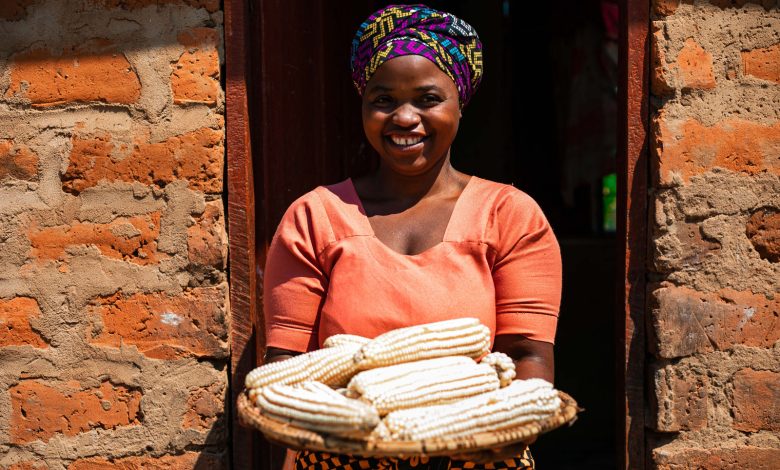
In a year when thousands of young Tanzanians are searching for work, solutions for many have come not from offices or factories, but from the agricultural sector.
In 2025, the Alliance for a Green Revolution in Africa (AGRA) has remained one of the most influential actors reshaping agriculture into a source of jobs, dignity, and real economic opportunity, particularly through its Youth Entrepreneurship for the Future of Food and Agriculture (YEFFA) project.
From the beginning of the year, YEFFA has gone beyond training programs and policy conversations. It has translated ideas into jobs, skills into income, and potential into real businesses especially for young people, women, and persons with disabilities. The results are not just statistics; they are stories worth telling.
Speaking on AGRA’s work in 2025, AGRA Tanzania Country Director, Vianey Rweyendela, emphasized that the organization’s approach is rooted in partnership and systems change.
“AGRA Tanzania works closely with the Government and multiple agricultural stakeholders to strengthen food systems in the country,” he said.
“In 2025 alone, through the YEFFA project, we have reached 593,724 young people, and Youth in work is around 51,869, this means they have already entered formal employment across agricultural value chains.”

“AGRA has also been a strong supporter of government youth-focused initiatives, including Build a Better Tomorrow – Youth in Agriculture (BBT-YIA), reinforcing agriculture as a viable economic pathway for Tanzania’s growing young population. This support was evident in 2025 when youth from the BBT programme, facilitated by AGRA, participated in the Africa Food Systems Forum (AFSF) in Dakar, Senegal—one of the continent’s most influential platforms on food systems.
The forum provided a rare international exposure for Tanzanian youth, giving them space to engage with policymakers, investors, and innovators, and positioning them within global conversations on the future of food and agriculture,” Rweyendela added.
Behind these numbers are lives transformed. Throughout the year, agricultural reporting across Tanzania revealed a number of compelling stories particularly of youth, women, and persons with disabilities whose lives have been reshaped through agribusiness.
In Mbeya, Agnes Nzowa’s journey began quietly in her kitchen. Once a full-time homemaker with no independent income, she never imagined herself as a business owner.
After being linked to YEFFA through Rikolto, Agnes received training in entrepreneurship and value addition. With savings of just TZS 100,000, she started producing banana chips and peanut butter from home. Today, she is the founder and CEO of Huno Plus, supplying markets and supermarkets across Mbeya.
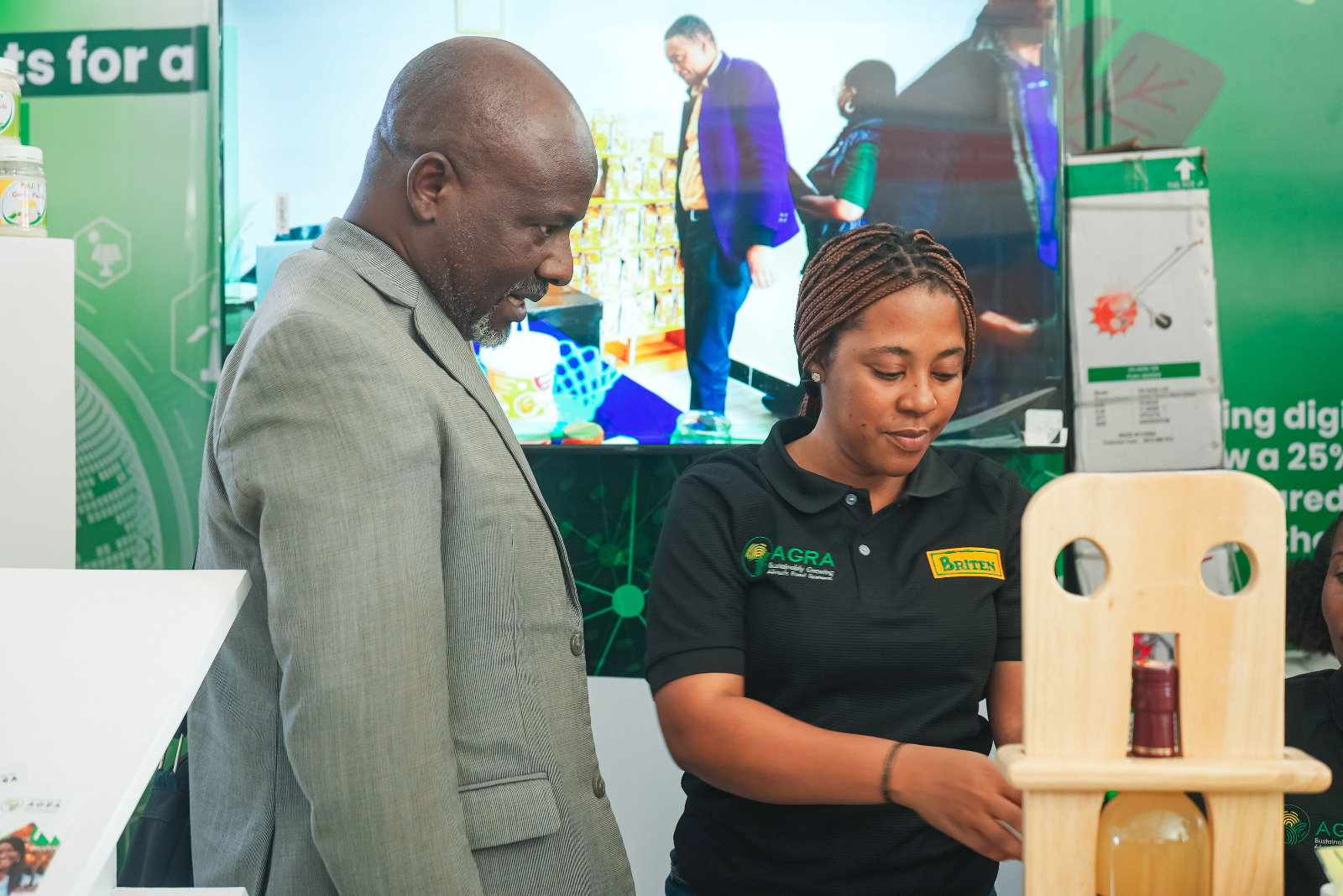
Her business now earns millions of shillings annually, employs more than 10 people, and supports her family every day—proof that small beginnings, when backed by skills and confidence, can grow into formal enterprises.
Just outside Mbeya town, Magreth Antony Magubila rewrote her own future by daring to take agriculture seriously.
Introduced to YEFFA during the 2023 Nane Nane Exhibition, she adopted modern farming techniques and transformed her family’s two-acre plot into a profitable agribusiness.
Through irrigation, trained labor, and improved practices, Magreth earned over TZS 24 million from tomatoes in a single season. She has since diversified into greenhouse bell peppers and maize processing, with plans to expand to 15 acres demonstrating how bold investment and modern methods can rapidly shift farming from subsistence to scale.
In Kaselya Village, Singida, Rehema Rashid turned vulnerability into strength. Living with albinism and facing economic hardship, she once harvested only three bags of sunflower per season.
After joining YEFFA and gaining access to improved seeds, training, and value-addition techniques, her yield increased six-fold. By processing sunflower oil and animal feed, Rehema doubled her income, created jobs to 12 people, and emerged as a community leader spearheading plans for a village-level oil factory. Her story is a powerful reminder that disability is not inability—when opportunity is inclusive.
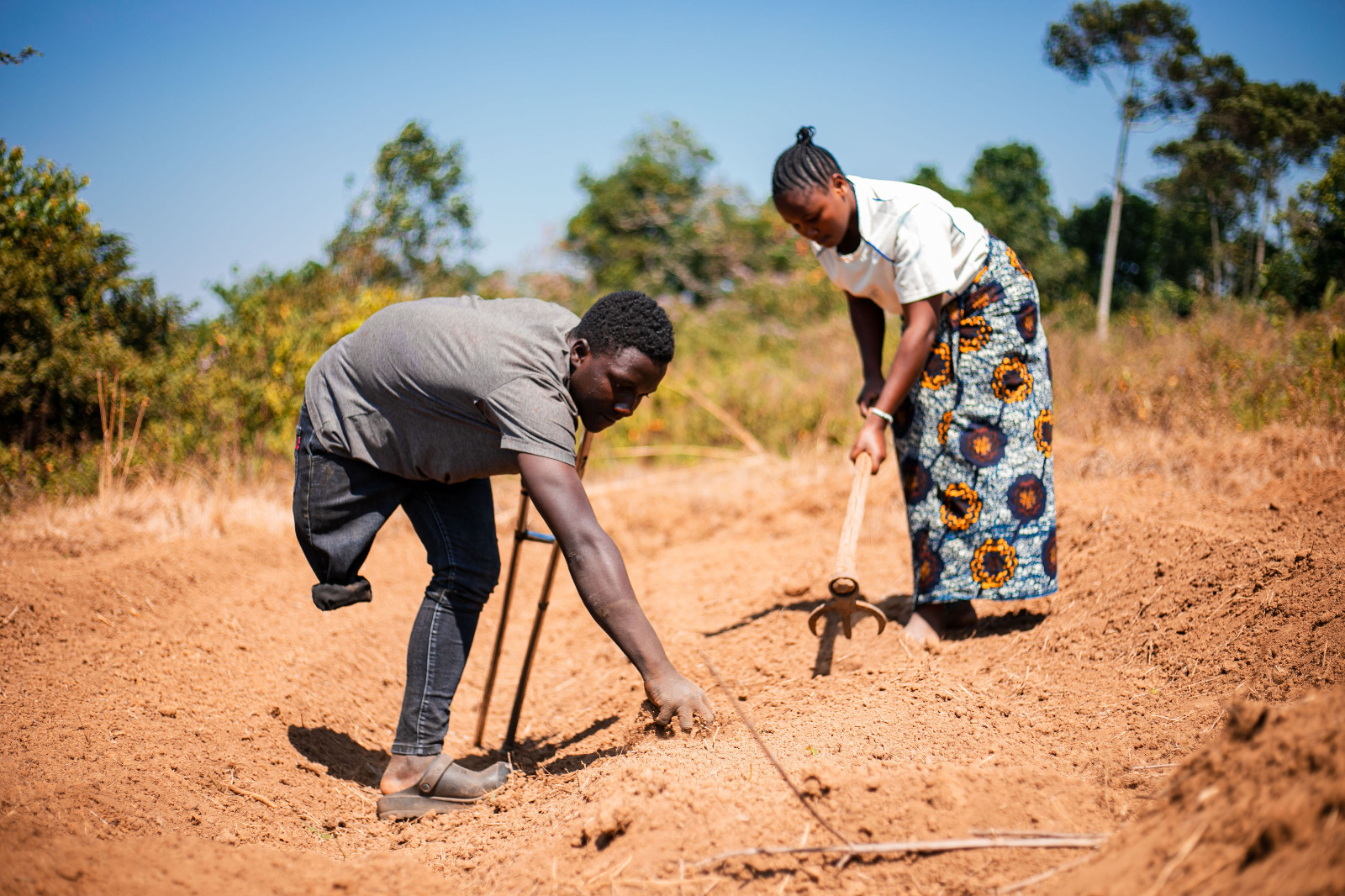
Meanwhile, in Mbarali District, Wilson Kiwhele, a primary school teacher, discovered that farming could do what his salary could not secure his family’s future and uplift his community. After joining YEFFA, Wilson adopted climate-smart agriculture, solar irrigation, and structured market access.
Today, his farm spans over 10 acres, attracts buyers from across Tanzania, and employs more than 100 people. Beyond income, his farm has become a learning hub for young farmers, reshaping how agriculture is viewed in his village.
That same collective spirit defines the Mtu Kazi Youth Group in Uhambule, Mbarali. What began as an unstructured youth initiative has grown—through YEFFA support—into a fully operational agribusiness enterprise.
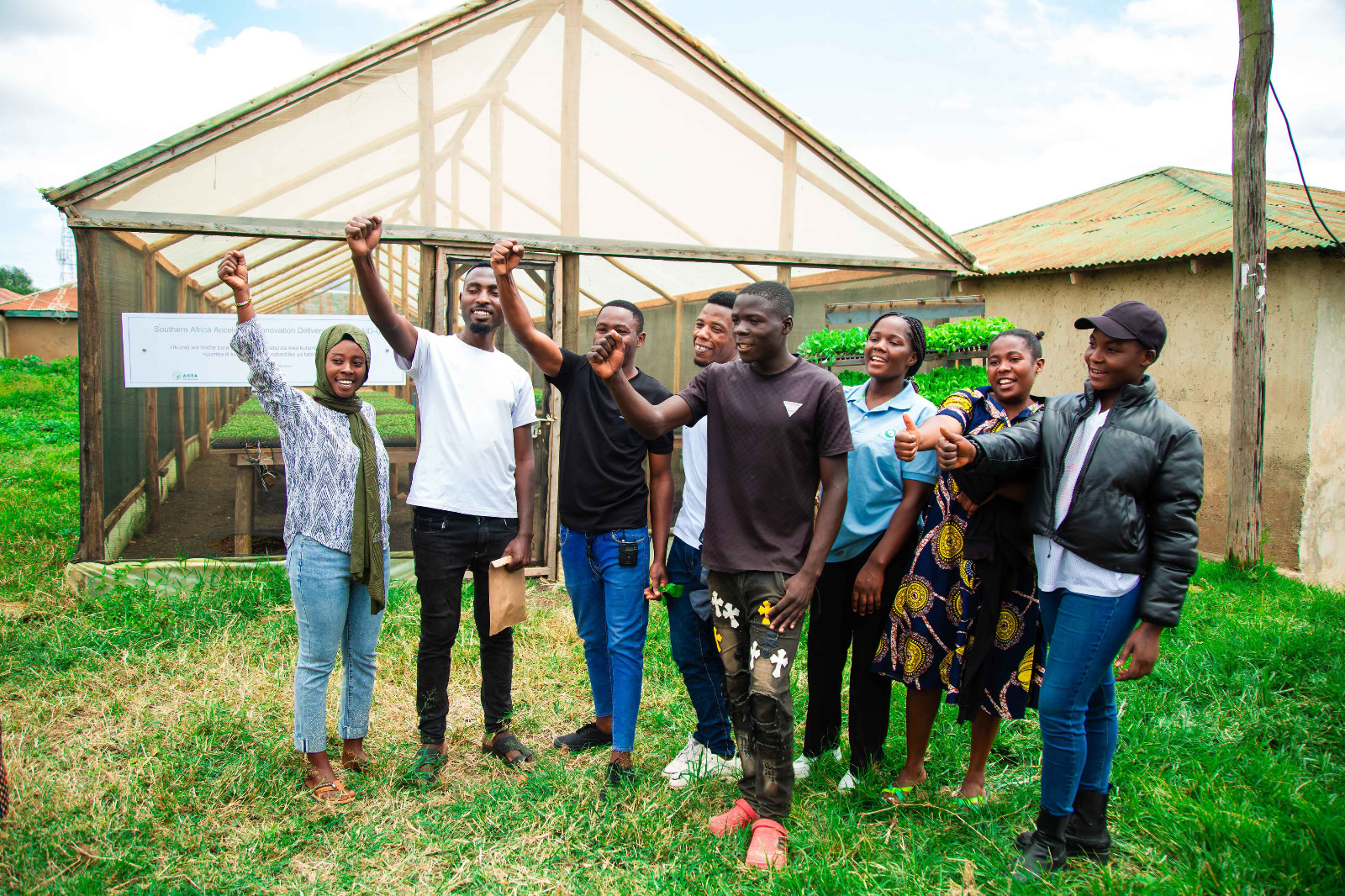
Led by Furaha Langson Mbuta, the group owns rice seed brands, processing and storage facilities, and a solar-powered office. With 15 full-time employees and over 250 part-time workers, Mtu Kazi stands as a living example of how unity, organization, and belief can turn rural youth into job creators. Their guiding principle is simple yet profound: farming protects the dignity of youth.
Taken together, these stories reveal a shared truth. When agriculture is treated as a business, when youth and women are trusted with skills and tools, and when support systems meet ambition, transformation follows. YEFFA’s impact is not measured only in yields, income, or hectares—but in confidence restored, dignity reclaimed, and communities re-imagined.
Looking ahead, AGRA Tanzania is not slowing down. According to Mr. Rweyendela, alongside YEFFA, AGRA continues to implement other strategic initiatives such as REGAIN, which focuses on reducing post-harvest losses one of the biggest drains on farmer income and national food security.
As 2025 comes to a close, AGRA’s work sends a clear message: Tanzania’s future is not waiting in cities alone. It is growing patiently, boldly, and purposefully in kitchens, fields, and villages across the country.