Why digital abuse demands serious attention
DAR ES SALAAM: EACH year, from 25 November to 10 December, the world turns orange for the 16 Days of Activism against Gender-Based Violence (GBV). It is a powerful reminder of the urgent need to end one of the most persistent human rights violations of our time.
Yet even as the world marks these days, one truth remains: justice for women cannot be seasonal. For 365 days a year, women and girls deserve to live free from fear offline and online.
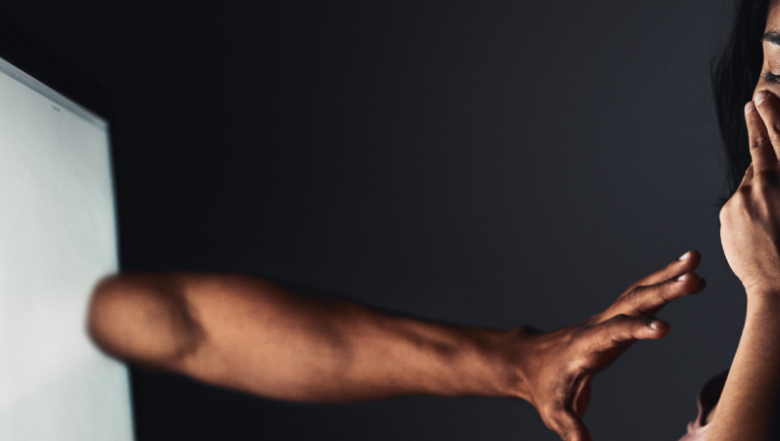
Across Africa, digital spaces have become new frontlines in the fight for equality. The same technology that connects and empowers us can also be turned into a weapon.
Women politicians, journalists, activists, and even schoolgirls face harassment, threats, and online shaming. Deepfake pornography, stolen images, and anonymous abuse show that what happens online is not imaginary. It is real, and it destroys lives.
Digital violence is not a new moving into the digital world. And it thrives because many women remain on the margins of technology.
According to the International Telecommunication Union (ITU), only 31 per cent of women in Africa use the internet.
In Tanzania, the divide between rural and urban areas makes young women even more vulnerable. Many rely on shared family phones or struggle with the high cost of data bundles, leaving them exposed with little privacy and even fewer options to report abuse.
The accountability gap remains wide. Tanzania’s Cybercrimes Act of 2015 has helped address some online offences, but technology is evolving faster than the law.
ALSO READ: Govt demands stronger GBV action
Deepfakes, non-consensual image sharing, and anonymous harassment often go unpunished. Globally, nearly half of women still lack legal protection from online harassment, creating a culture where perpetrators hide behind screens without consequences.
To close this gap, existing laws that protect women from violence in physical spaces must be applied equally to digital spaces. Violence is violence whether it happens at home, on the street, or through a smartphone. The African Union’s new Convention on Ending Violence Against Women and Girls, adopted earlier this year, recognises cyberspace as a place where rights must be protected. But regional commitments only matter when countries implement them fully.
Technology itself is not the enemy. It carries enormous potential — from education to entrepreneurship and from innovation to advocacy. Yet the same tools can fuel hate, misogyny, and manipulation.
Artificial Intelligence (AI) creates harmful deepfakes faster than courts can judge them, while algorithms amplify hate speech faster than fact-checkers can respond.
This is why action is needed now. Governments must invest in digital literacy and strengthen online safety. Technology companies must be accountable for the harm their platforms enable. And young people especially young men have a vital role in shaping a digital culture that rejects misogyny and embraces respect.
Across Africa, UN Women and its partners are working to close the gender digital divide. In Tanzania, efforts are underway to ensure that the fight against technology-facilitated GBV is integrated into the National Plan of Action.
Local organisations such as the Legal and Human Rights Centre (LHRC) and Her Initiative are providing digital safety training and supporting survivors, helping women navigate online spaces with confidence.
The message for 2025 is simple, activism does not end when the campaign ends. Every day must be a day of action, accountability, and awareness. Digital violence against women and girls is not inevitable it is preventable. Justice for women online is justice for women everywhere.
Let this be the generation that reclaims technology as a force for equality, ensuring that Africa’s digital future is one where every woman and girl can conn