‘Wellness not luxury’
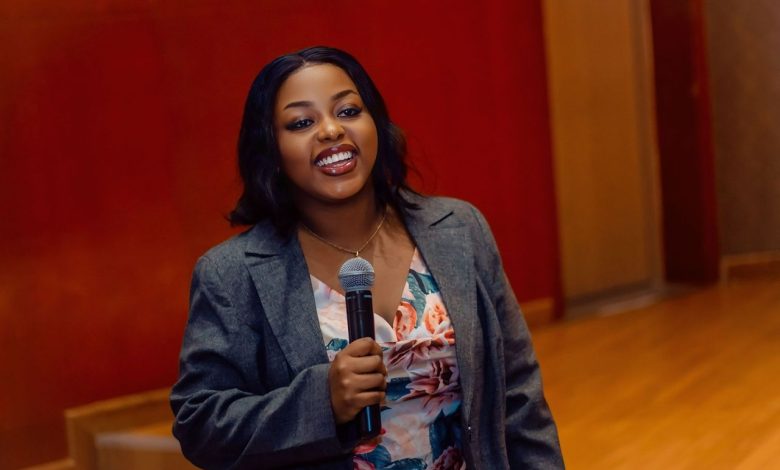
DAR ES SALAAM: AT only 24, Diana Shabani carries a story far bigger than her age. Her journey into mental health advocacy began not from ambition or academic interest, but from heartbreak a deeply personal struggle with anxiety and the painful loss of a close friend to suicide.
She remembers the moment clearly, the disbelief that followed and the silence that hung around her community like a shadow.
That moment, she says, “ignited something I could not ignore,” and from it grew a determination to make sure that fewer young people face their darkest moments alone.
Today, she stands at the forefront of one of Tanzania’s most promising youth-led wellness initiatives, the Afyana Movement. While pursuing a Law Degree at Dar Es Salaam Tumaini University (DarTU), Diana is mobilising young people in schools, workplaces and communities to speak openly about mental health and access the support they need.
Her work is driven by a belief that wellness is not a luxury, but a necessity tied to dignity, opportunity and the wellbeing of society as a whole.
“This impact fuels my motivation and focus, reminding me that every effort contributes to a larger vision of community wellness and empowerment,” she says, reflecting on how far Afyana has come.
Through campaigns, advocacy walks, food drives, school outreach and online wellness webinars, the movement has reached more than 4,000 people across Tanzania and in other African countries.
She often meets young people who seek guidance, parents looking for resources or teachers in need of tools to support students facing emotional challenges.
Afyana’s philosophy is rooted in lived experience. Diana understands how heavy silence can feel and how shame prevents people from seeking help.
“My motivation is deeply personal. I understand the critical need for compassion and support,” she says.
“The loss of my friend made the reality painfully clear and pushed me to do more than raise awareness. I wanted to build accessible support systems.”
Her voice carries a mixture of softness and strength, softness for the memories that shaped her, and strength for the work she has chosen to pursue.
One of the flagship programmes she leads is UNAWEZA, a schoolbased initiative aimed at fostering self-expression, confidence and emotional resilience among young people.
She believes the foundation of a healthier society begins in classrooms where children feel seen, valued and encouraged to talk about their struggles without fear.
Many of the young participants, she notes, say it is the first time they have been invited to speak about mental health openly.
Her ambitions for Tanzania are broad and forward-looking. She envisions a country where mental health education is integrated into school curricula, workplace policies and national development frameworks.
For her, mental wellness is connected to economic justice, legal protection and social inclusion.
“I envision a Tanzania where mental health education is integrated into schools, workplaces and public policy,” she says, emphasising that wellness should be recognised as fundamental to individual dignity and national progress.
To accomplish this, Afyana works closely with psychologists, counsellors, health institutions and community organisations. They develop culturally relevant materials, hold training sessions and create referral pathways for individuals who require professional support.
“Our monthly online wellness webinars connect participants with certified experts and people with lived experience, creating safe, informed spaces for dialogue,” she says.
Beyond her activism, Diana has emerged as a respected young voice in national and continental policy spaces.
She has contributed to Tanzania’s Universal Periodic Review process (UPR), ensuring that youth concerns and mental health issues are reflected in official human rights documentation.
Diana has worked with NGOs and civil society organisations to promote inclusive policy-making and meaningful youth participation.
Her breakthrough moment came when she was selected as the first and youngest Tanzanian speaker at the African Union Students’ Parliament.
There, she represented youth perspectives on mental health, leadership and social justice, marking a historic moment for young Tanzanian advocates.
Her accomplishments stretch far but are not presented as trophies; instead, they reflect a consistent pattern of service and leadership.
Diana has been recognised as Best Adjudicator at the Tanzania World Schools Debate Championship 2025, Social Justice Debate Champion at the University of Rochester in the United States, and served as the first female President of the United Nations Chapter at Tumaini University.
She chaired the university’s Gender Desk, where she helped implement programmes that addressed harassment and promoted a safer learning environment.
Additionally, she has served as a Youth Advisor to the U.S. Embassy in Tanzania and is acknowledged for her contributions to youthcentred national policies through the UPR platform.
Balancing this level of involvement with the demands of law school is not easy. Diana attributes her ability to manage it all to discipline, prioritisation and a clear sense of purpose.
“I view my academic work and activism as complementary, each enriching the other,” she says.
She treats her studies as a foundation for the advocacy work she hopes to take to regional and global platforms, also credits her team and the mental health professionals who collaborate with Afyana for helping the movement remain credible, effective and sustainable.
Her inspiration flows from African leaders whose impact was rooted in service and courage. She speaks passionately about Wangari Maathai, Graça Machel and Fred Swaniker, leaders who shaped systems by uplifting communities.
Yet, she says her greatest inspiration comes from ordinary Tanzanians the teachers, activists and community organisers who work tirelessly with little recognition.
“Their work often goes unnoticed but is foundational,” she says. “Above all, my own community inspires me, people who face stigma and hardship yet push forward with hope.”
Looking ahead, Diana dreams of Afyana growing into an institution deeply embedded in communities across Tanzania and East Africa.
ALSO READ: Men’s health in focus: Breaking barriers to routine checkups, mental wellness
She sees it expanding beyond Dar es Salaam into rural areas and neighbouring countries, offering comprehensive programmes that address wellness, education, poverty and legal rights.
“Afyana will stand as a legacy of courage, empowerment and transformative impact,” she says with certainty