When reporting becomes provocation: Why CNN’s coverage on Tanzania demands scrutiny
DAR ES SALAAM: INTERNATIONAL media wield enormous power the power to inform, to shape narratives, to heal, but also, if misused, to inflame and reopen societal wounds.
For a country like Tanzania, emerging from an election marred by violence, loss and social trauma, this power carries a profound moral responsibility. Global outlets covering such events have an ethical obligation to report truthfully, sensitively and within the proper context.
Yet, CNN’s continuing coverage of the post-election crisis raises serious ethical concerns. Instead of providing balanced, context-rich reporting, the network appears to rely on repeated, emotionally charged, one-sided imagery risking not only journalistic integrity but also the fragile social fabric of a nation in mourning.
The ethical blueprint for journalism
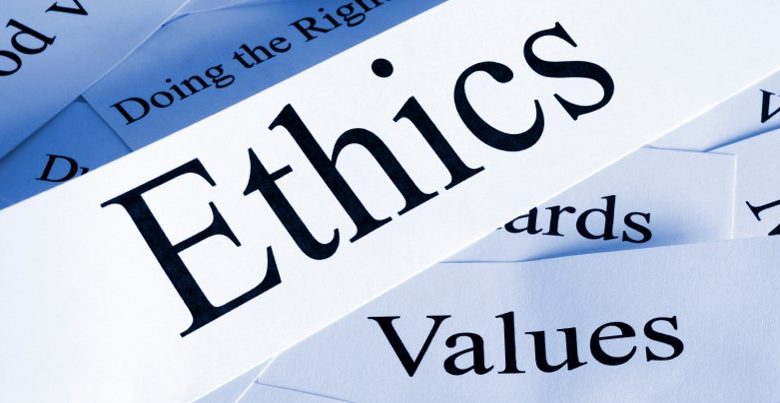
Across the world, journalism standards converge around a few core principles: truth, fairness, independence, accountability and minimising harm. The Society of Professional Journalists (SPJ) Code of Ethics advises journalists to seek truth, report it responsibly, minimise harm, act independently and be transparent.
Journalists are also warned to avoid conflicts of interest, real or perceived. In times of crisis, the media must provide verified, balanced and contextual information, enabling societies to respond with understanding rather than emotion. When coverage becomes selective, sensational, or detached from context, journalism ceases to serve truth and risks fostering instability instead.
CNN’s coverage: where it falls short
Public observation and reports suggest several patterns in CNN’s reporting that are inconsistent with ethical journalism.
Firstly, repeated onesided imagery dominates the coverage. Footage shows only victims of shootings, grief and fear, while ignoring the preceding context destruction of polling stations, vandalism, mob attacks and election-day sabotage. This selective framing omits essential context, misleads viewers, encourages emotional outrage and amplifies trauma rather than understanding.
Secondly, casualty figures reported by CNN lack transparent verification. Without hospital records, morgue data, or official confirmation, citing death tolls is irresponsible, especially in a volatile environment where such numbers can inflame public anger. Ethical journalism demands credible, verifiable sources before publishing such sensitive information.
Thirdly, the potential conflict of interest is concerning. Reports are filed by a correspondent with regional ties, possibly influencing narrative framing. When journalists’ affiliations overlap with the subject matter, impartiality is compromised. Transparency or avoidance of such conflicts is essential, yet this appears lacking.
Finally, the coverage amplifies trauma instead of enabling healing. Broadcasting graphic visuals repeatedly, particularly when the nation is encouraged to unite, mourn and reflect, demonstrates insensitivity. Ethical reporting must minimise harm, not exploit suffering for dramatic effect.
Beyond bias: Risks of foreign narrative intervention
Repeatedly issuing emotionally charged, decontextualised coverage, omitting vital context, ignoring casualty verification and continuing broadcasts on sensitive days can do more than distort facts. Such reporting risks fuelling division, undermining national sovereignty and influencing domestic opinion effectively shaping narratives for external interests rather than serving Tanzanian audiences.
This is the very scenario described in media studies as the transformation of domestic crises into “news spectacles,” potentially affecting public sympathy, foreign policy and internal stability. CNN’s coverage may therefore operate less as neutral reporting and more as a foreign-driven narrative intervention.
What responsible coverage should look like
Ethical coverage would: verify casualty figures through credible sources; present the origins of violence, including election sabotage and vandalism; balance visuals to show both victims and the destruction; include input from all stakeholders victims, officials, civil society; disclose conflicts of interest; and minimise graphic content to avoid inflaming trauma.
Such reporting would inform rather than inflame, foster understanding rather than division and support national healing rather than deepen wounds.
A call to CNN and international media
Global media must pause and reassess their commitments. They must ask whether they report for truth or reaction, verification or amplification, healing or harm, respect for sovereignty or meddling. If they cannot uphold transparency, balance and ethical standards, the responsible course is to step back.
In moments of national fragility, journalism is never neutral. It either aids reconstruction and understanding or accelerates division and mistrust.
ALSO READ: CNN ON TANZANIA: Facts, spin and blind spots
Ethical standards are not optional; they are the foundation of credibility, trust and public service. When media outlets compromise these principles, they betray the public, erode their own reputation and harm the societies they claim to serve.
International reporting should be a bridge to understanding, reconciliation and truth not an amplifier of fear and division. Tanzania deserves nothing less.