AFWC tasks African nations to enhance protection of forests, wildlife
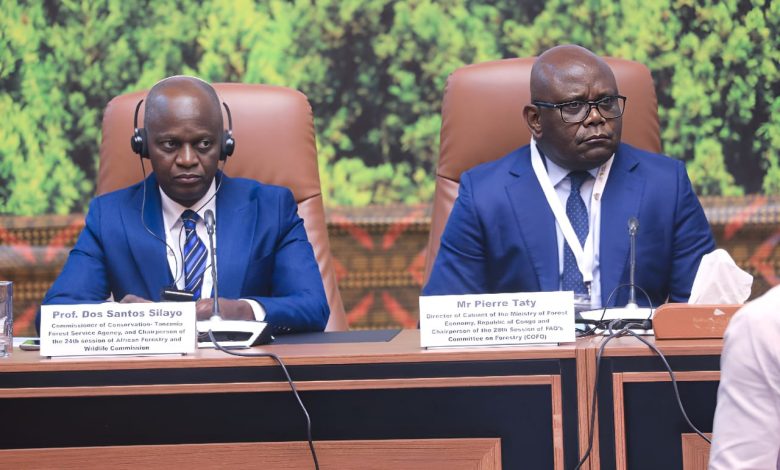
BANJUL: AS Tanzania is seen as a model in conservation, African governments have been urged to move quickly to protect forests and wildlife as climate change continues to threaten the continent’s ecosystems and community livelihoods.
The call was made at the opening of the 25th Session of the African Forestry and Wildlife Commission (AFWC25) and the 9th Africa Forestry and Wildlife Week (AFWW9) in Banjul.
The week-long meeting has been convened by the government of Gambia in partnership with the Food and Agriculture Organisation of the United Nations (FAO).
Tanzania is among the African countries that have successfully conserved forests and wildlife to a large extent, while its economy also depends on tourism.
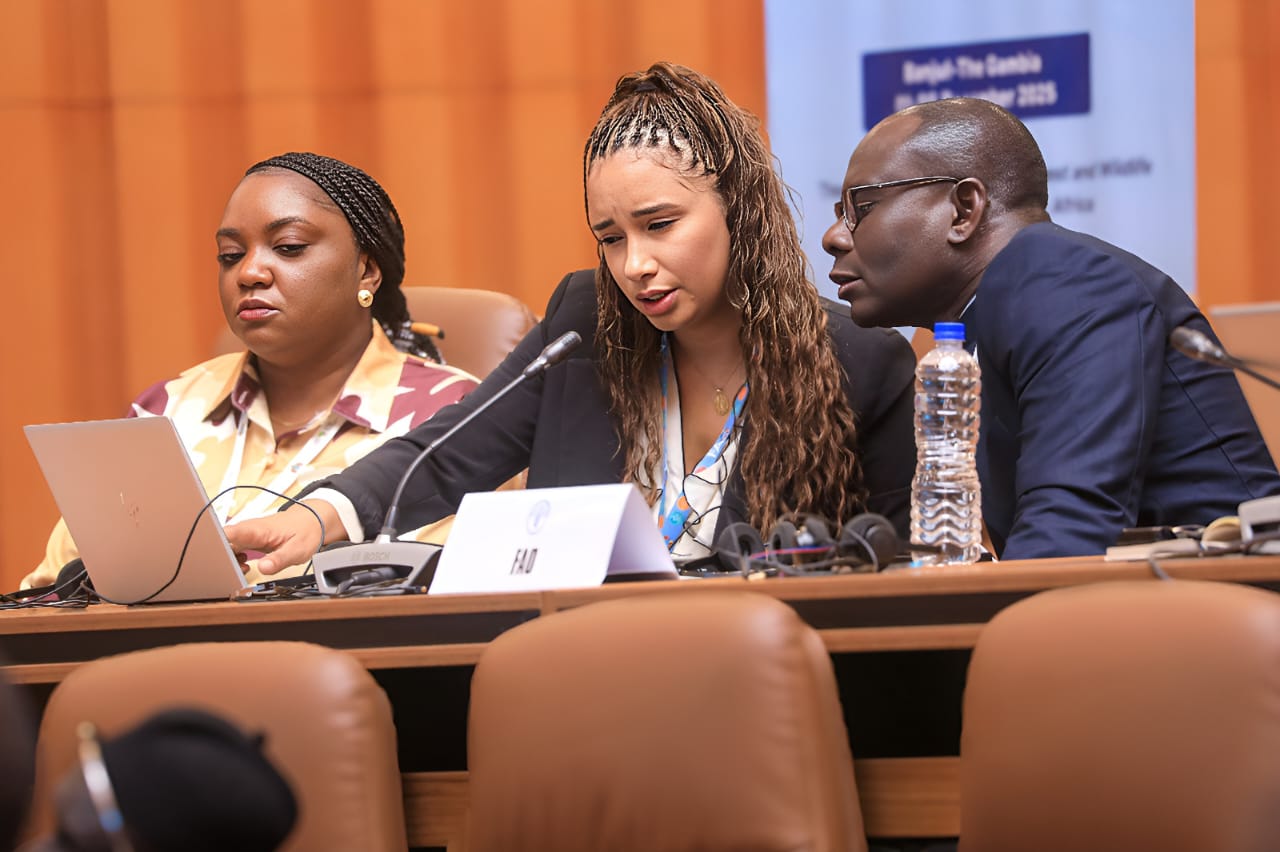
Speaking on behalf of the outgoing AFWC Chair, Prof. Dos Santos Silayo of Tanzania’s Tanzania Forest Services Agency (TFS), AFWC Vice Chair Dieudonne Sita praised Gambia for stepping in to host the meeting after Mali was unable to proceed.
He said this year’s theme, “Innovative and Inclusive Management of Forests and Wildlife in Africa,” calls for countries to work closely together and exchange knowledge.
Sita noted that resolutions from the Banjul session will help position Africa as a united bloc in global forestry negotiations and guide preparations for the FAO Regional Conference for Africa scheduled for April 2026.
ALSO READ: Tanzania’s forests worth more than we think
Speaking on behalf of the FAO Director-General, FAO Regional Representative for Africa, Dr. Abebe Haile-Gabriel, commended Gambia for its progress in restoring forests and promoting sustainable land management.
He said FAO will continue supporting African countries through improved forest monitoring, mangrove protection, the Great Green Wall initiative and community-led biodiversity projects.
But Dr Haile-Gabriel warned that Africa still faces growing pressure from climate change.“Africa needs innovative financing, strong policies and deeper regional cooperation to protect its natural resources,” he said.
“This session places responsibility on us to build a future that can withstand climate shocks.”headded
UNDP Resident Representative in Gambia, Mandisa Mashologu, noted that climate impacts are already disrupting water availability, food security and household incomes across the continent.
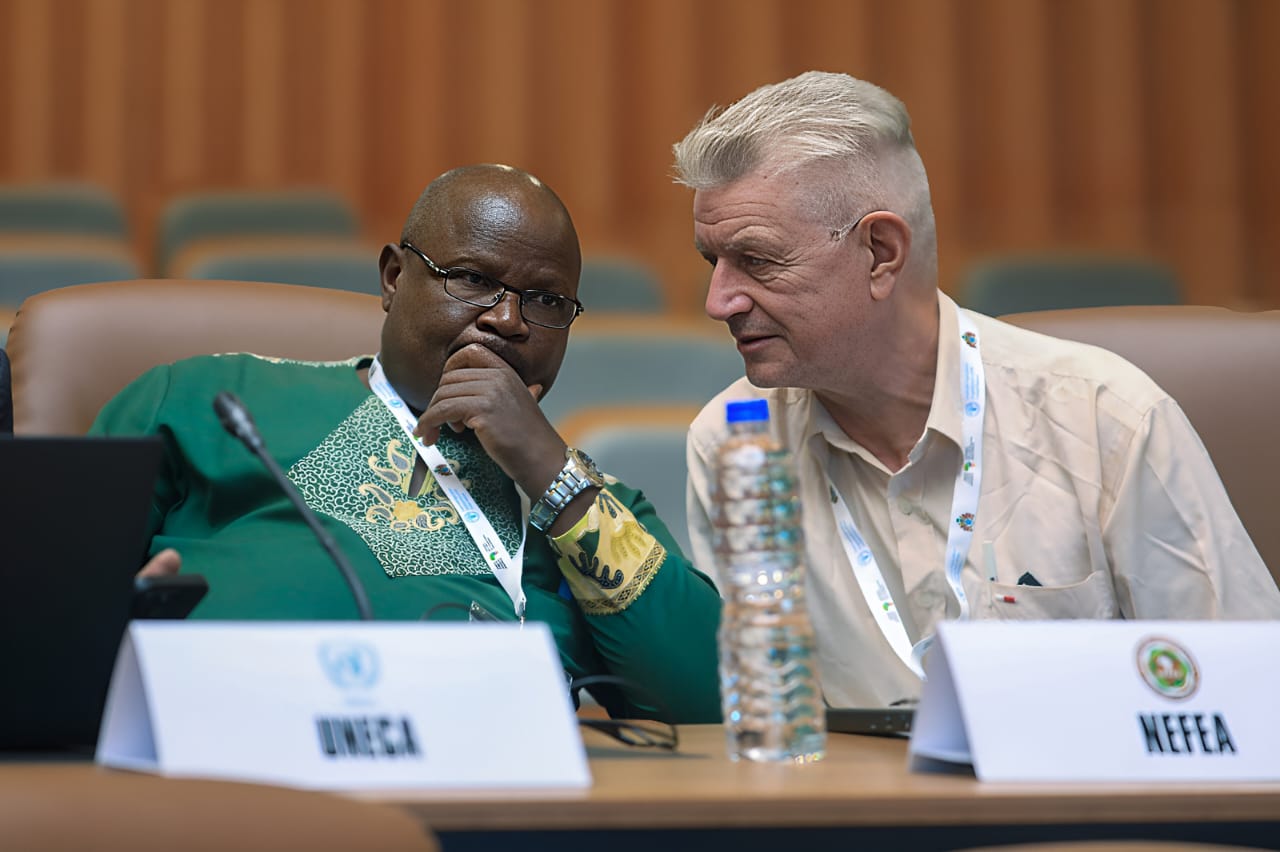
She said UNDP is working with countries to strengthen early warning systems, boost disaster preparedness, expand clean energy solutions and restore degraded ecosystems.
The conference has brought together ministers, technical experts, international organisations and conservation partners from across Africa to review the state of the continent’s forests and wildlife resources.