CTI welcomes scrapping of container tax
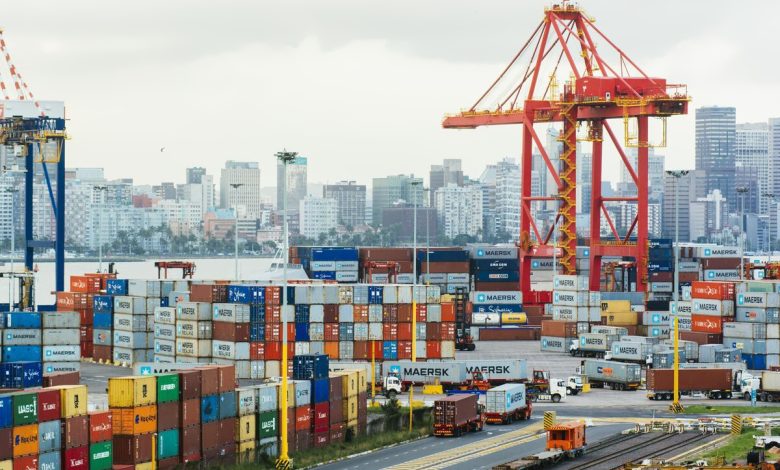
KIBAHA: THE Confederation of Tanzania Industries (CTI) has welcomed the government’s decision to scrap the container loading and offloading tax, saying the move will ease operational costs for manufacturers and improve the country’s investment climate.
CTI noted that the levy, 150,000/- for loading and an equal amount for offloading each container, had been a persistent concern for manufacturers, particularly those operating high-volume supply chains, as it pushed up logistics costs and undermined competitiveness.
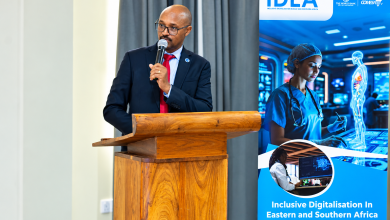
CTI’s Executive Director, Eng Leodegar Tenga, said during a recent public–private dialogue with manufacturers in the Coast Region that investors had long raised concerns over the levy and its removal in this year’s parliamentary budget has brought much-needed relief to the sector.
“Previously, whenever he ordered raw materials, he was charged the levy on each incoming container and once he produced and dispatched the finished goods, he was charged another 150,000/- for every outgoing container,” he said saying the tax was not fair.
ALSO READ: TRA, Barrick Gold deepen partnership to promote tax compliance
The dialogue between the confederation and manufacturers was held under the theme, ‘Facilitating a Business Environment for the Sustainable Development of the Manufacturing Sector in the Coast Region.
“Even if an investor has already paid all applicable taxes on imported raw materials, he still had to pay the levy when loading those materials and again when exporting finished products from his factory,” he said.
The Executive Director, a former Tanzanian international soccer player, added that the confederation also scored a notable achievement by persuading the government to lower the cost of the Electronic Tax Stamp (ETS), which members had repeatedly flagged as too high.
The Coast Regional Administrative Secretary, Pili Mnyema, said the region has benefited from a higher concentration of industries compared with other regions, thanks to ample land reserves. She said the region continues to organise itself by putting in place various strategies to create an investment-friendly environment and attract more investors.
“We know that no investment can be made without reliable electricity, water, good roads, skilled manpower and other resources. That is why the government is focused on developing these infrastructures, so that when an investor arrives, all essential facilities are available,” she said.
She said that while there are still challenges in electricity supply, the government is implementing various projects to ensure reliable power.
She said that currently the Coast Region receives 145 megawatts of electricity, which is insufficient due to rising demand from rapidly expanding industries and trade, but ongoing projects aim to increase capacity.