TZ unveils national water grid plan at COP30
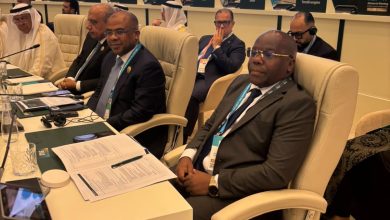
BRAZIL: TANZANIA has presented its National Water Grid Plan at United Nations Climate Change Conference (COP30) to demonstrate how the country intends to secure reliable water access and strengthen climate resilience, while outlining its long-term adaptation strategy.
Presenting it on Wednesday in Belém, Brazil, Deputy Permanent Secretary (Union) in the Vice-President’s Office, Mr Abdallah Hassan Mitawi, said the plan is designed to create dependable national water sources by connecting major lakes and rivers into one coordinated system.
He said the approach will ensure that communities, industries, agriculture, livestock and the environment have a sustainable flow of water as climate impacts intensify.
Mr Mitawi further said Tanzania is positioning itself as a leader in Africa’s water agenda, backed by significant government investment in large water projects across regions facing shortages.
“The National Water Grid represents the next phase of these efforts, providing a long-term solution to persistent challenges such as seasonal scarcity, population growth and the increasing pressure on natural water sources,” he said.
The PS said the grid is expected to unlock economic opportunities, promote industrial development and support food security by stabilising water availability in areas where agriculture and livestock rely heavily on rainfall.
ALSO READ: Tanzania tells COP30 Summit how fast it responds to climate change
According to him, reliable water access will also strengthen public health systems, reduce the burden on women and children who travel long distances in search of water and contribute to social stability.
Mr Mitawi said the government will continue collaborating with development partners, the private sector and civil society to ensure the preparation and implementation of the grid remains inclusive, evidence-based and adequately financed.
“This project requires broad national participation because its success depends on the protection and proper management of water sources, including Lakes Victoria, Nyasa and Tanganyika, as well as vital rivers that have faced pressure from climate variability, erosion and pollution,” Mr Mitawi said.
He said safeguarding these sources is a shared responsibility that demands stronger conservation practices, better community engagement and long-term planning to ensure water security for current and future generations.
Mr Mitawi also acknowledged the contributions of partners such as WaterAid International, NDC Partners and UNICEF, saying their support has strengthened government efforts to expand water access, build resilience and improve service delivery across the country. He said coordination with such partners will remain important as the project progresses toward full implementation.
WaterAid Tanzania representative, Ms Manka Mushi, said the National Water Grid reflects government commitment to addressing water shortages through a unified, nationwide system.
“Coordinated grid is essential for ensuring that regions with limited water sources benefit from national-level distribution networks,” she said.
Ms Mushi further said secure water access benefits several sectors, including agriculture, fisheries, energy, industry, health and education, and helps communities adapt more effectively to the effects of climate change.
According to Ms Manka, the grid will reduce the vulnerability of rural and urban populations by ensuring that even in prolonged dry seasons, reliable water flows are maintained.
ALSO READ: AGRA calls for a Farmer-First Climate Breakthrough at COP30 with youth voices at the Center
She said the government’s decision to introduce the National Water Grid marks a major step toward resolving long-standing challenges in water availability, especially in rapidly growing areas where demand for clean and safe water continues to rise.
“The grid will also help address inequalities in water distribution by ensuring that remote and underserved regions are connected to the national water system, allowing water to be shared more equitably across the country,” she said.
It will be recalled that on March 22, 2025, during World Water Day commemorations, President Samia Suluhu Hassan directed the establishment of a National Water Grid to ensure that water reaches all parts of the country.
She reaffirmed the same commitment when opening the 13th Parliament, where she said the grid should be completed by 2030 as part of broader efforts to accelerate national development and strengthen climate resilience.
The presentation of the plan at COP30 signals Tanzania’s intention to position water security at the centre of its climate action agenda and its long-term national development strategy.