Digging gold, not graves, bye mercury

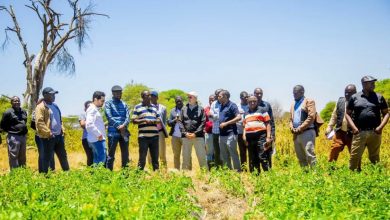
GEITA: IN the gold-rich region of Geita, miners toil from dawn to dusk, sifting soil and crushing rocks in pursuit of the precious metal that drives Tanzania’s economy. Yet, behind the golden shine lurks an unseen danger — the silent threat of mercury use.
Tanzania’s artisanal and small-scale miners (ASM), who account for nearly 30 per cent of the country’s gold output, remain the most vulnerable.
The vast majority use mercury to extract gold, often with little knowledge of its toxic effects. Health workers warn of alarming cases of neurological damage, respiratory illness and birth defects linked to mercury exposure.
Besides, the government acknowledges the dangers of mercury and has pledged to phase it out in line with the Minamata Convention on Mercury, which Tanzania ratified in 2017.
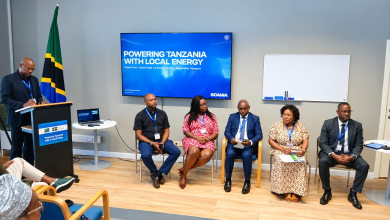
Speaking at a live stream online programme by HakiRasilimali called ‘Hoja Yako Mezani’ the Assistant Commissioner, Local Content and Corporate Social Responsibility at the Ministry of Minerals, Terence Ngole said the government is taking various measures to phase out mercury to ASM including promoting mercuryfree technologies.
The Hoja Yako Mezani session aired recently aimed to explore how mining operations are conducted in line with these global and regional standards, with a particular focus on how the ASM sector respects human rights.
“The government is conducting various studies to ensure we find a safe alternative to mercury that small-scale miners can afford,” Mr Ngole stresses.
ALSO READ: VP briefs TZ envoy on economic diplomacy
Mr Ngole highlights additional measures being taken to tackle the challenges including the formalisation of artisanal mining through expanded licensing, aimed at regulating mercury use and integrating miners into formal markets.
Other health and safety campaigns are also underway, with public awareness drives in mining zones, training and monitoring of exposure levels. Environmental monitoring is being strengthened through collaboration with the National Environmental Management Council (NEMC) to track mercury pollution in rivers and other water bodies.
While these efforts are underway, data show that the contribution of the mining sector to the national GDP has increased from 3.5 in 2015 to 10.1 per cent last year, with 30 per cent of gold production coming from ASM.
According to the Bank of Tanzania’s Monthly Economic Review for April 2025, gold remains the dominant mineral and the backbone of the mining sector. By January 2025, mineral exports had reached US$4.1 billion, with gold alone contributing US$3.4 billion.
Tanzania Women Miners Association (TAWOMA), General Secretary, Ms Salma Ernest implores financial institutions, particularly banks, to provide loans for small-scale miners, enabling them to adopt safer alternatives instead of relying on mercury, which may appear to be a cheaper option “A lack of capital often forces small-scale miners to use mercury, which poses serious health risks,” she points out.
Her sentiments were echoed by Irene Mosha, the Strategy and Partnership Assistant at HakiRasilimali who insists on concerted efforts between, government, NGOs, ASM and the community around the areas as whole in addressing the challenges including provision of education on the impact of mercury in mining sites and the significance of responsible mining.
“We are going to customise Towards Sustainable Mining Standard (TSM) for Responsible Mining into simple language to ensure responsible mining for artisanal small scale miners and make understanding easier,” she says.
In response to a question from moderator Lucy Shao on how miners adhere to responsible mining in the country, The Tanzania Chamber of Mines Chairman, Engineer Filbert Rweyemamu says that mining activities in the country cannot commence without following four key laws that protect the interests of citizens and the environment.
He explained that these laws include the Environmental Management Act of 2004, the Mining Act of 2010 amended in 2017, the Local Government Act of 1982 which emphasises community participation and the Land Act of 1999, which safeguards citizens’ land ownership rights.