

Prioritise human rights, businesses urged
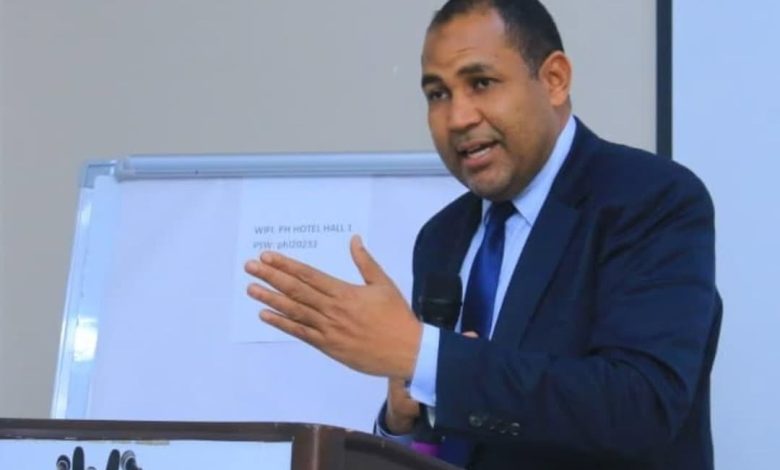
DODOMA: THE Commission for Human Rights and Good Governance (CHRAGG) has called on business enterprises in Tanzania to place human rights at the centre of their operations, in a move aimed at safeguarding workers, communities and the nation’s overall social welfare.
Speaking yesterday at a stakeholders’ meeting on the Human Rights Review in Business Activities, held in Morogoro, CHRAGG Vice Chairperson Mohamed Khamis Hamad emphasised that while businesses play a crucial role in driving economic growth, creating jobs and attracting investment, these achievements must not come at the expense of human dignity.
“Business activities can open doors for investment and development, but if they fail to respect human rights, they can bring suffering to workers and communities,” said Mr Hamad.
The meeting brought together business leaders, government officials and civil society representatives to discuss the importance of continuous dialogue and capacity building on human rights in business.
CHRAGG Executive Secretary, Patience Ntwina highlighted that respecting human rights is not only a legal obligation but also a strategic foundation for building sustainable and resilient businesses.
He urged companies to integrate human rights into every stage of their operations, from supply chain management to workplace policies, ensuring that economic growth and profit do not come at the cost of people’s rights or community well-being.
Discussions at the meeting also addressed the challenges affecting global supply chains, particularly in developing countries, where weak law enforcement continues to fuel rights violations.
ALSO READ: INEC tasks Human Rights Commission to observe the General Elections
These include unsafe working conditions, denial of labour rights, environmental degradation and the exploitation of vulnerable communities.
Mr Ntwina stressed the need for businesses to align their practices not only with national regulations but also with international standards, such as the United Nations Guiding Principles on Business and Human Rights.
“By doing so, businesses can establish ethical, transparent and sustainable systems that respect human rights while driving economic development,” he said.
He also underscored the importance of collaboration between the private sector and regulatory authorities.
“The private sector must work hand in hand with regulators to ensure that rights are protected. Respecting human rights benefits both people and businesses by building trust, enhancing reputation and ensuring long-term success,” Mr Ntwina added.
Several participants expressed optimism that the meeting would strengthen cooperation, promote accountability and raise awareness of human rights responsibilities across all sectors.
“We want this dialogue to be a turning point, where businesses commit to respecting rights at every stage of their operations,” said one of the organisers.




921339 766915I see which you are using WordPress on your blog, wordpress is the greatest. :~- 613715
582717 851721Hiya. Extremely cool website!! Man .. Beautiful .. Fantastic .. I will bookmark your web site and take the feeds additionallyI am happy to find numerous useful data here within the post. Thank you for sharing 182672
988645 701450What a lovely blog page. I will surely be back once again. Please maintain writing! 96479