Promote unity, protect data ahead of election, media told

DAR ES SALAAM: THE media has been urged to prioritise stories that promote national cohesion and to remain vigilant in protecting personal data during the General Election period.
This call was made yesterday during a training session for editors and journalists in Dar es Salaam, organised as part of preparations for the upcoming polls.
The training covered five key areas: Legal frameworks and the electoral process, data protection principles for editors and journalists, the 2020 broadcasting regulations for political party elections, reporting during conflicts and emergencies and media guidelines for the 2025 General Election.
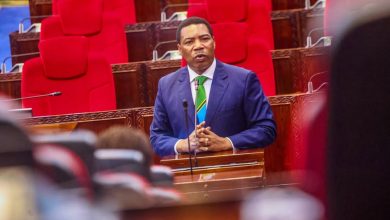
Independent National Electoral Commission (INEC) Director of Elections, Mr Ramadhani Kailima, emphasised the crucial role of the media in safeguarding peace and stability during elections.
“It is the Commission’s expectation that media outlets will give priority to stories that promote national unity, rather than reports that could incite violence,” he said.
Warning against irresponsible reporting, Mr Kailima noted that such conduct had caused unrest in other parts of Africa and the world.
“Tanzania is not an island. Misuse of your professional platforms — your pens — could plunge the country into chaos, as has happened elsewhere,” he cautioned.
He underscored the need for accurate and ethical reporting, urging journalists to avoid misinformation and screen out content that could fuel hatred or unrest.
He further encouraged the media to focus on stories that foster peace and cohesion among Tanzanians.
Mr Kailima called on journalists to familiarise themselves with laws, regulations and guidelines issued by the Commission to ensure their coverage complies with all legal requirements.
“You will be provided with copies of relevant laws, regulations and guidelines. I urge you to take the time to read and understand them so that your participation in the electoral process aligns with legal and professional standards,” he said.
He pledged continued collaboration between the Commission and media outlets throughout the electoral process, including participation in radio and television programmes and the provision of timely and accurate information.
ALSO READ: 2025 Election integrity
“The Commission will provide factual updates in a timely manner and expects the media to report this information accurately and responsibly. We are committed to offering support whenever clarification is needed,” he added.
Mr Kailima also announced that INEC would open a media accreditation system from September 1 to 30 this year to facilitate smooth coverage during the election period.
The system aims to streamline registration and ensure journalists can cover the elections efficiently and without unnecessary obstacles.
Speaking on data protection, Personal Data Protection Commission (PDPC) Head of Public Relations and Communication, Mr Innocent Mungy, said the modern newsroom is increasingly data-driven, with journalists relying heavily on digital platforms, cloud-based news gathering and data analytics.
“While these tools improve efficiency and reach, they also expose media houses to higher risks of personal data breaches and ethical lapses. The digital shift is irreversible. But with this transformation comes the responsibility to embed privacy and personal data protection into journalism practices. You, as journalists and editors, are the guardians of that privacy in the media landscape,” he said.
Highlighting the compliance benefits, he said that adopting data protection policies not only reduces the risk of legal liability but also boosts media credibility and facilitates international partnerships.
“Your level of compliance can win you public trust and enhance your organisation’s reputation,” he added.
Mr Mungy also pointed out common compliance gaps within media institutions, such as unsecured communication tools, lack of journalist training on data protection and the absence of formal data protection policies.
Meanwhile, Tanzania Communications Regulatory Authority (TCRA) Manager of Broadcasting Services, Mr Andrew Kisaka, urged media houses to exercise caution and professionalism when reporting on conflicts and disasters, especially during the election period.
Mr Kisaka warned against the use of inflammatory and derogatory language, noting that the media knowingly or unknowingly often contributes to unrest when journalistic ethics are not upheld.
Presenting the Media Guidelines for the 2025 General Election, University of Dar es Salaam School of Journalism and Mass Communication (SJMC) lecturer Dr Egbert Mkoko urged editors and journalists to adhere to factual reporting and conduct thorough fact-checking, as emphasised in the guidelines