Why Tanzania drums up for Libya’s stability
TANZANIA: TANZANIA has expressed its enthusiasm to see Libya gets back to stability from the prevailing situation, marked by political fragmentation, institutional paralysis, recurrent armed clashes and external interference.
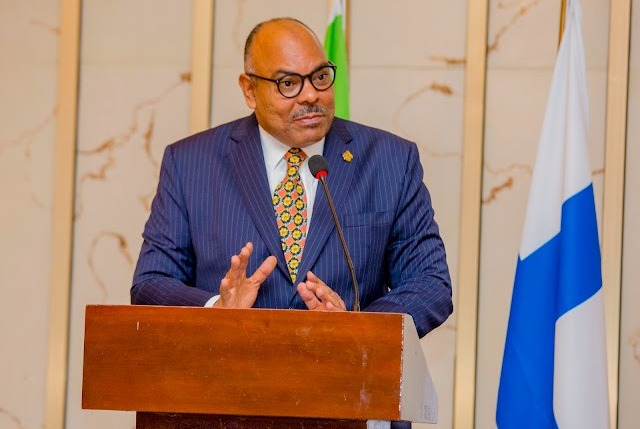
The Minister for Foreign Affairs and East African Cooperation, Ambassador Mahmoud Thabit Kombo told the Peace and Security Council of the African Union (AU) that the said issues collectively hinder the country’s path towards durable peace, national cohesion and sustainable development.
Ambassador Kombo who was speaking at the virtual meeting of AU Heads of State and Government on the consideration of the situation in Libya, terming the agenda before them as of critical importance.
According to the Permanent Representative of Tanzania to the AU and Ambassador to Ethiopia, Mr Innocent Shiyo told the ‘Daily News’ that the minister told the leaders that stability of Libya is essential, not only for its people but for the broader region and international community.
“The stability of Libya is not only essential for the wellbeing of its people, but also holds far-reaching implications for the peace, security and stability of the broader region and the international community.
“Indeed, a united and stable Libya is vital not only for regional and global peace and security but also for socio-economic development and transformation of the continent.
“Africa needs Libya as a reliable partner in advancing peace, energy security, regional integration and economic development. Its strategic location and resource wealth also position it to contribute meaningfully to the African Continental Free Trade Area (AfCFTA), particularly by enhancing trade and connectivity between North Africa and the rest of the continent,” he told the meeting.
Ambassador Kombo extended warm greetings from President Samia Suluhu Hassan, who, due to equally important commitments, was regrettably unable to join the Council towards the end of last month. She had therefore, instructed him to represent her at that important meeting.
He emphasised Tanzania’s continued support for all efforts aimed at restoring peace, sovereignty and democratic governance in the State of Libya.
The Diplomat implored the Council to rest assured of Tanzania’s full and unwavering support and cooperation as the country’s leaders collectively advance their shared objectives for peace, stability and development on the continent.
Ambassador Kombo commended the Republic of Uganda (Chairship of the Peace and Security Council for the month of July) for the timely convening of the Council to address the situation in Libya.
“We also applaud the stakeholders in the peace process in Libya, particularly the African Union, the European Union and the United Nations, for their continued commitment to promoting peace, security and stability in Libya.
“In particular, we commend His Excellency Denis Sassou Nguesso, President of the Republic of Congo and Chair of the AU High-Level Committee on Libya, for his steadfast leadership and unwavering commitment to the Libyan peace process,” he said.
Ambassador Shiyo further explained that the Minister said that that despite various efforts, the situation in Libya remains volatile characterised by the continued infighting, protracted political stalemate and a serious institutional division between two rival governments.
In this regard, he said, Tanzania aligns itself with the recommendations outlined in the comprehensive briefing note and those eloquently articulated by preceding speakers. In particular, we wish to underscore the following points:
Tanzania urges all political and security actors in Libya to use their leadership and authority to respect the agreed truces, to refrain from any move that could lead to security escalation, to protect and fulfil the human rights of all Libyans and migrants.
The Tanzania Government calls for an immediate and unconditional withdrawal of all foreign forces and mercenaries from the Libyan territory within a specific timeframe as well as an end to foreign interference in the Libyan internal affairs and respect Libya’s sovereignty, unity and territorial integrity.
Ambassador Kombo said the Government urges the African Union, in close cooperation with other partners, to take a leading role in facilitating a unified and inclusive peace process in Libya.
Such a coordinated approach, he said, is essential to counteract external interference that has prolonged the conflict and exacerbated divisions and it will be a critical step toward achieving lasting peace and stability in the country;
Tanzania also underscored the paramount importance of the National Reconciliation Charter as a foundational framework for achieving enduring reconciliation and sustainable peace in Libya.
However, before any implementation can take place, Ambassador Kombo said, it is essential that all principal Libyan stakeholders, including the key governing authorities, formally endorse the Charter.
“We call upon all Libyan parties, with the continued support of the African Union and the United Nations Support Mission in Libya (UNSMIL), to urgently commit to this crucial step and emphasise the need for intensified inclusive dialogue and collaborative engagement among all Libyan parties.
“Only through strengthened unity and consensus, supported by these vital regional and international partners, can the Charter fulfill its promise of national cohesion, stability and a prosperous future for the Libyan people,” he said.
Ambassador Kombo stated that the people of Libya have suffered for too long and it is, therefore, high time now to put an end to the conflict so that the people of Libya can enjoy peace dividend and enable the country to play its rightful place.
ALSO READ: Tanzania hails African nations’ efforts in bringing security in Libya
“I therefore urge all Libyan political and security stakeholders to put national interests ahead of their personal interests. I also welcome the recommendations put forward by His Excellency Denis Sassou Nguesso, especially the imperative for the full endorsement and implementation of the National Reconciliation Charter.
“This Charter lays out the comprehensive framework needed to achieve lasting peace and stability in Libya, as well as effectively address pressing challenges, including terrorism and the strengthening of Libya’s institutions to ensure good governance and lasting stability,” the Diplomat said.
Minister Kombo underscored the importance of coordinated African leadership, calling on the AU in close partnership with the United Nations and relevant stakeholders, to assume a more assertive and harmonised role in shepherding a truly Libyan-led and Libyan owned peace process.
He said that the AU is uniquely placed to guide national reconciliation efforts that are culturally grounded, context-sensitive and reflective of Libya’s sovereign aspirations. In that regard, he reiterated Tanzania’s strong support for the National Reconciliation Charter, signed in Addis Ababa on 14 February 2025, as a foundational instrument for rebuilding Libya’s national unity and political legitimacy.
He emphasised that formal endorsement of the Charter by all principal Libyan stakeholders, including competing authorities, is an indispensable prerequisite for its successful implementation and for any broader peacebuilding efforts.
The AU meeting was convened under the Chairship of President Yoweri Museveni of the Republic of Uganda, in his capacity as Chairperson of the Council for the month of July 2025.
The high-level session was attended by Heads of State and Government, Members of the Peace and Security Council, the African Union Commission and key stakeholders.
The key stakeholders included President of the Presidential Council of Libya, Dr Mohammad Younis Bashir AlMnefi; Mr Denis Sassou Nguesso, President of the Republic of the Congo and Chairperson of the African Union High-Level Committee on Libya; and Ms Hanna Tetteh, Special Representative of the Secretary-General of the United Nations.