

Over 2,900 journalists accredited
DAR ES SALAAM: MORE than 2,900 journalists have been accredited through a newly launched digital registration system developed by the Journalists’ Accreditation Board (JAB), marking a significant milestone in streamlining the accreditation process for media professionals across the country.
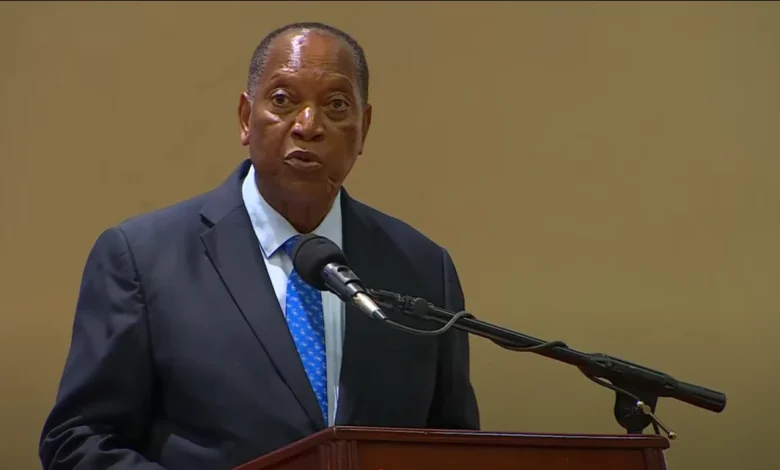
Speaking at a stakeholders’ forum focusing on the role of media ahead of the 2025 General Election held yesterday in Dar es Salaam, Minister for Information, Culture, Arts and Sports, Prof Palamagamba Kabudi, said that the accreditation process is now fully digital via the Tanzania Information Agency (TAI-Habari) platform.
The event, which also served as the official launch of the digital accreditation system, was officiated by Deputy Prime Minister and Minister for Energy, Dr Doto Biteko.
Prof Kabudi said that the ministry has been working closely with media stakeholders to foster a more supportive and professional environment for journalists, including ensuring that all journalists are properly registered and accredited in accordance with national regulations.
The new system which was launched in May this year, is designed to simplify the registration process, increase transparency and enhance service delivery.
Accredited journalists are issued with a digital ID card that features a QR code for quick verification, allowing authorities and stakeholders to confirm credentials instantly and reliably.
Prof Kabudi also underscored the importance of strong collaboration between the media and security organs ahead of the 2025 elections, saying the partnership is critical to safeguarding journalists and ensuring they can report freely and fairly.
“During election period, the public expects timely, accurate, and impartial information. This is why we have brought together security agencies and media stakeholders to ensure journalists operate in safe conditions,” he said.
He further added that the media and police share a common goal of preserving national unity and peace.
“By the end of this meeting, we expect to reach a common understanding on how we can coordinate the dissemination of election information responsibly and peacefully,” he added.
Prof Kabudi hailed President Samia Suluhu Hassan’s leadership for fostering a free and conducive media environment, stating that many recent developments in the sector are a result of her commitment to press freedom.
“This forum has been made possible largely due to the push by President Samia to ensure the media operates freely while respecting the country’s laws, regulations, traditions and values,” he said.
Among the reforms, he highlighted, was the amendment of the Media Services Act No. 299 to allow the media to operate more independently and remain accountable to the public.
He also paid tribute to the country’s founding leaders, particularly the late Mwalimu Julius Nyerere, for laying the foundation of a strong media sector.
“Mwalimu Nyerere valued the media as a bridge connecting citizens in the fight for independence and in promoting unity and development,” the minister said.
Prof Kabudi recalled how Nyerere founded the newspaper Sauti ya TANU and how the TANU party later established Mwananchi Publisher and Printing Company, which became KIUTA.
He noted that the company published Uhuru and Nationalist Newspaper, with the late President William Mkapa serving as the first editor of Nationalist.
“Later, Nationalist was merged with The Standard to form ‘Daily News’, a newspaper Mwalimu Nyerere regularly contributed through opinion columns,” he noted.
Prof Kabudi concluded by stressing the media’s critical responsibility in ensuring a peaceful, fair, and well-informed electoral process.
“With the advancement of technology and the rise of social media, we now face new challenges, including misinformation, harassment and the spread of unverified news. Many readers often take such information at face value without questioning its credibility,” he said.
ALSO READ: 2025 GENERAL ELECTION: Govt urges ethical journalism
According to Prof Kabudi, the challenges have made it necessary for stakeholders to come together and establish a strong framework involving government institutions, media houses, civil society, security agencies and independent bodies such as the Independent National Electoral Commission (INEC).
The goal is to protect peace and ensure equal opportunities for all political parties, while guaranteeing that the public receives essential, accurate information to make informed choices in the upcoming General Election


186034 139420As I web internet site possessor I believe the content matter here is rattling amazing , appreciate it for your efforts. You need to keep it up forever! Good Luck. 289203