

Policy rate cut sparks debate over economic logic
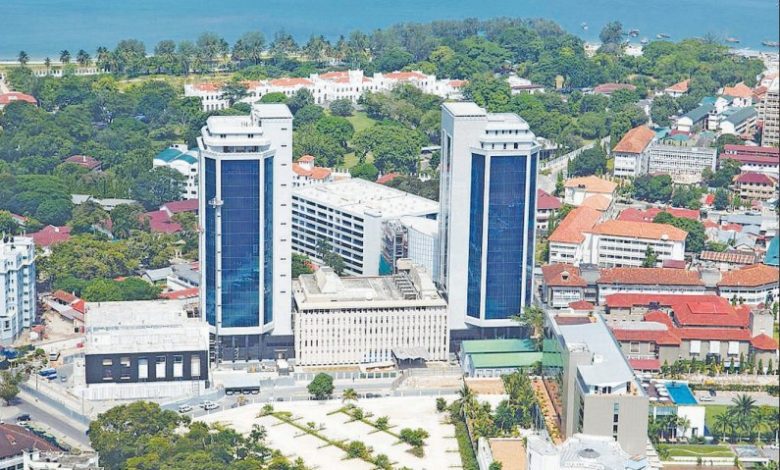
DAR ES SALAAM: A debate has emerged following the Bank of Tanzania’s (BoT) decision to cut its benchmark Central Bank Rate (CBR) by 25 basis points to 5.75 per cent, a move the central bank said was necessary to sustain economic momentum in the face of stable inflation and rising liquidity needs.
The BoT said inflation has consistently remained within its target range of 3.0 to 5.0 per cent and is projected to stay stable, creating room to ease without risking price instability. BoT Governor Emmanuel Tutuba said the reduction was also timed to align with the harvest season, when demand for liquidity typically rises.
“We conducted an assessment and found we are entering the harvest season, when public demand for money is high. This rate will enable banks to access funds,” said Mr Tutuba, last Thursday.
The central bank also said the move would strengthen market activity between banks and help sustain the country’s steady economic growth, with GDP projected at 6.0 per cent in the third quarter and 6.9 per cent in the fourth. It said resilience in sectors such as tourism, agriculture, mining and infrastructure investment provided a solid foundation for the economy.
“Inflation has consistently stayed within the 3–5 per cent target range and is projected to remain stable,” said Mr Tutuba: “Despite rising global uncertainty from geopolitical tensions and tariffs, recent agreements indicate moderating risks.” The BoT added that the external sector has improved, with foreign exchange reserves rising to nearly 6.0 billion US dollars, enough to cover almost five months of imports.
The shilling has also shown unusual stability, depreciating by just 0.2 per cent year-on-year by June. The bank said that this stability was further supported by strong tourism earnings and increased exports, particularly of gold and tobacco. But not everyone is convinced.
Financial analyst Kelvin Msangi said the rate cut is unjustified and risks undermining the credibility of the country’s emerging interestrate-based monetary framework. “Inflation is stable—not falling,” said Mr Msangi adding: “We are not in a disinflationary environment that would call for monetary easing.
Headline inflation is holding at around 3.3 per cent and food inflation remains elevated at over 5.0 per cent. Cutting rates now risks fuelling inflation, especially with global food and energy markets still unstable.” Mr Msangi said the BoT’s argument that the cut would stimulate credit growth was also weak because credit to the private sector was already expanding.
ALSO READ: Samia’s nuclear energy vision set to power economy
According to BoT data, private sector credit grew from 13.9 per cent in January to 15.1 per cent by June, with sectors such as construction, transport and agriculture receiving robust financing. “Credit is already growing strongly and lending rates have eased from 15.5 to 15.0 per cent. Monetary policy was already accommodative,” said Mr Msangi.
“Further easing could overheat credit markets or channel funds into speculative activities.” The central bank also defended its decision by pointing to global monetary policy trends, noting that other central banks— including those in Kenya, Ghana and the Eurozone—have recently eased their policy rates in response to moderating inflation and slowing growth.
The BoT said aligning with such trends helps maintain competitiveness and ensures that domestic liquidity conditions remain supportive of growth. However, Mr Msangi said Tanzania’s domestic context is materially different and should not be shaped by external developments.
“Other economies are dealing with recession risks or sharp disinflation. Tanzania’s growth is solid, inflation is stable and the external account has improved.
Simply copying global trends is not sound policymaking,” said Mr Msangi. The BoT said the rate cut is consistent with Tanzania’s ongoing shift to a modern, price-based monetary policy framework where interest rates guide market expectations.
This marks a structural shift from the earlier monetary targeting regime, with the goal of enhancing transparency and market responsiveness. However, Mr Msangi said such a framework demands consistency—cutting rates when money supply (M3) is growing at 18.5 per cent and foreign reserves are rising sends confusing signals to markets.
“Policy signalling has to match the data,” said Mr Msangi.
“Otherwise, the entire credibility of the framework is at risk.” The timing of the decision has also raised concerns. With national elections just three months away, the cut may be interpreted as politically motivated, aimed at lowering government borrowing costs and creating an image of economic responsiveness.
“Even the perception of political influence over monetary policy can erode trust in the central bank,” said Mr Msangi. “Once credibility is lost, inflation expectations can shift and that’s dangerous.” Economist-cum-investment banker Dr Hildebrand Shayo offered a nuanced perspective, touching the positive impact of the rate cut on key sectors.
“The Bank of Tanzania’s recent decision to cut the central bank rate by 0.25 percentage points reflects a supportive approach towards economic development,” Dr Shayo said: “Given the current stability of inflation, the central bank is positioned to lower credit costs, thereby encouraging economic activity.” The economist underscored the timing’s significance for agriculture, noting that lower rates could improve farmers’ access to affordable credit during the harvest season, helping them avoid selling produce unfavorable prices.
“This presents a valuable opportunity for banks to develop flexible products tailored to the agricultural sector, especially given the supportive policy environment,” Dr Shayo said.
He added that easing credit costs could enhance the agricultural value chain, reduce post-harvest losses and boost rural incomes, contributing to food security and economic stability.
ALSO READ: Trademark to boost exports
“Since inflation remains within the target range, the risk of triggering excessive inflation from this easing measure seems low in the near term,” Dr Shayo noted, while cautioning the central bank to monitor liquidity growth carefully. Beatus Mlingi, a financial analyst, said the July rate adjustment is significant in the context of the country’s ongoing monetary policy modernisation from a monetary-targeting regime to a CBR-based framework, officially adopted last January.
“After initially setting the CBR at 5.5 per cent and adjusting it to 6.0 per cent in April 2024 to contain interbank market volatility, the BoT has now demonstrated confidence in the country’s economic fundamentals by lowering the rate,” said Mr Mlingi.
He said the dynamics have anchored price expectations and created a stable environment conducive to a rate cut.
At the same time, credit to the private sector recorded a year-on-year growth of 12.7 per cent in the first quarter of this year, reflecting growing confidence among businesses and households. Therefore, Mr Mlingi said, the BoT’s decision reflects a strategic, forward-looking stance that balances the dual objectives of stimulating growth and safeguarding stability.
“While the economic outlook remains positive, continuous vigilance is needed to mitigate global trade risks and ensure equitable liquidity access across Tanzania’s banking sector,” said Mr Mlingi.
Looking ahead, inflation is expected to remain near 3.2 per cent into the third quarter, though Mr Mlingi said this remains contingent on the quality of the domestic harvest and global oil price movements. “The BoT has indicated policy flexibility,” said Mlingi, adding that structural reforms to improve interbank market efficiency and promote local currency usage are also on the horizon.
Regionally, Tanzania now holds the lowest CBR in East Africa, ahead of Kenya at 12.75 per cent and Uganda at 10.0 per cent, enhancing its relative attractiveness to investors. Debt remains sustainable, with a debt-to-GDP ratio of 41.1 per cent and the financial sector remains stable, supported by a non-performing loan (NPL) ratio of 3.6 per cent.
“However,” said Mr Mlingi, “small banks continue to face higher interbank borrowing costs, occasionally nearing the upper CBR band of 8 per cent, posing liquidity challenges that the BoT must continue to monitor.” As Tanzania steps further into a price-based monetary policy era, the balancing act between growth and stability remains in sharp focus, with both advocates and critics closely watching the next move.
Orbit Securities Mwanza Branch Manager Amos Justine said the 25-basis-point cut is expected to have a positive effect on the economy by lowering the cost of borrowing.
“This encouraging private sector credit expansion, stimulating investment and supporting economic recovery efforts in a still-fragile global environment,” he said: “With the domestic credit environment continues to show resilience.
This growth highlights the banking sector’s improving risk appetite and the increasing demand for financing among businesses and consumers”. The debate illustrates the challenges the country faces as it navigates a shift to a more market-responsive monetary policy amid a complex macroeconomic environment.
The central bank remains firm that the rate cut will support continued economic growth, while critics urge stronger alignment of policy decisions with fundamental economic data to maintain credibility.




836435 190998Just what I was looking for, appreciate it for posting . 252166