Modern coffee farming practices emphasised
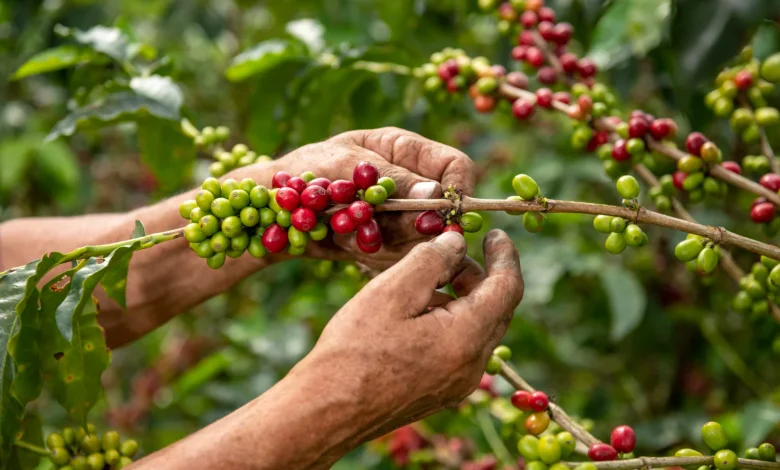
DODOMA: THE government has emphasised the urgent need for coffee farmers to adopt modern agricultural practices, improve the use of inputs, strengthen extension services and invest in irrigation systems to enhance productivity and build resilience against drought.
This call was made by the Deputy Permanent Secretary of the Ministry of Agriculture, Dr Stephen Nindi, during the conclusion of the 15th Annual Coffee Stakeholders’ Meeting, where he represented Minister for Agriculture, Mr Hussein Bashe.
Dr Nindi reaffirmed the ministry’s commitment to scaling up coffee seedling production in collaboration with the Tanzania Coffee Research Institute (TaCRI) and private institutions.
The goal is to increase annual production from 20 million to 100 million seedlings.
To support the sector, the government will continue to provide fertiliser subsidies, with the estimated annual demand standing at 50,000 tonnes.
Extension services are also being enhanced, with 230 official and 108 unofficial extension officers currently supporting the coffee industry.
Dr Nindi urged the Tanzania Coffee Board (TCB) to invest in rainwater harvesting infrastructure to mitigate the impacts of drought and promote irrigation-based farming.
He also noted that the government is working to ensure reliable markets through cooperative societies, which are expected to collaborate with the Coffee Board, financial institutions, and local government authorities to educate farmers and rebuild trust in the sector.
ALSO READ: Govt reaffirms commitment to coffee sector development
“The government’s aim is to ensure that farmers benefit from their crops by promoting structured coffee marketing systems and discouraging informal sales and smuggling,” said Dr Nindi.
Earlier, TCB Director General Primus Kimaryo assured stakeholders of continued cooperation with financial institutions such as the Tanzania Agricultural Development Bank (TADB), PASS Trust, and COOP Bank Tanzania to facilitate access to fertiliser subsidies.
Mr Kimaryo also highlighted ongoing government efforts to improve water availability for irrigation, including drilling wells in droughtprone regions such as Songwe, Simiyu and Mbozi.
He pledged close collaboration with the Registrar of Cooperative Societies to resolve outstanding debts within cooperative unions, aiming to restore farmer confidence and encourage compliance with formal coffee trade systems.
Currently, Tanzania produces approximately 80,000 tonnes of Arabica coffee annually in regions including Kilimanjaro, Arusha, Tanga, Iringa, Mbeya, Kigoma, Mara, Manyara, Mwanza, Njombe, Ruvuma, Songwe and Katavi.
Robusta coffee is mainly grown in Kagera and parts of Morogoro. About 46 per cent of Tanzania’s coffee is exported to European markets, with Japan also serving as a major destination.