Govt prioritises blue economy, fisheries governance
DAR ES SALAAM: THE government has reaffirmed its strong commitment to the African Union’s Agenda 2063, placing particular emphasis on the development of the blue economy and fisheries governance as critical pillars for sustainable development and regional integration.
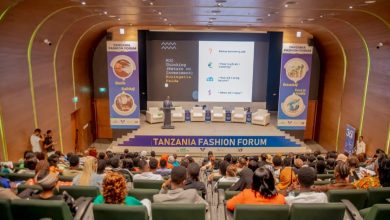
Speaking at the official opening of the Marine and Coastal Operations for Southern Africa and Indian Ocean (MarCOSIO) Fisheries Exchange Workshop 2025 in Dar es Salaam yesterday, Permanent Secretary in the Ministry of Livestock and Fisheries, Professor Riziki Shemdoe, said Tanzania is focused on strengthening sectors such as fisheries, aquaculture and ocean health to support both national growth and regional collaboration.
“The government remains fully committed to the African Union’s Agenda 2063, which recognises the value of the ocean economy and positions the blue economy as a new frontier for inclusive and sustainable growth,” Prof Shemdoe said.
“At its core are fisheries, aquaculture and marine ecosystem health.” He stressed that sustainable fisheries management cannot be achieved by government action alone.
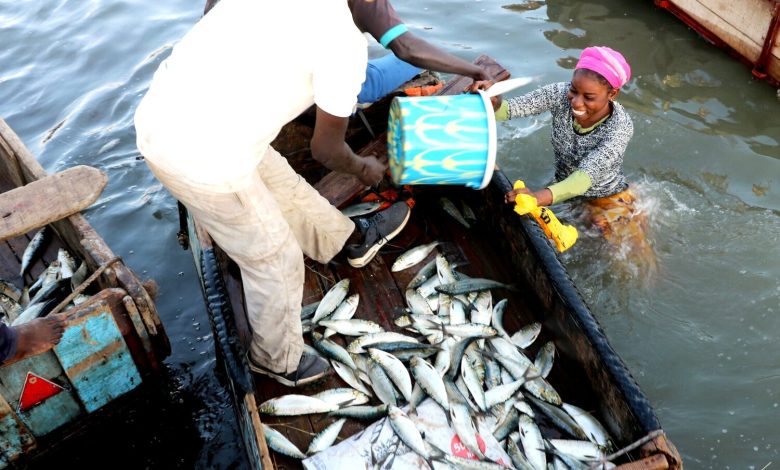
“It requires multisectoral collaboration, technological innovation and the active engagement of fishers, who are the true custodians of our marine resources,” he said.
Prof Shemdoe pointed out the government’s substantial investment in the fisheries sector, noting its vital role in employment and food security.
“In Tanzania, fisheries employ about 10 per cent of the population and contribute more than 30 per cent of the country’s animal protein intake. It is a key driver of social and economic development,” he noted.
ALSO READ: Govt highlights efforts to promote blue economy
He said the workshop presents a valuable opportunity to build on past progress, share insights and integrate consortium services into both national and regional frameworks.
“As we move forward, I encourage all of us to foster strong partnerships across sectors and borders, enhance capacity-building for institutions and communities and ensure fishers’ voices remain central in developing effective solutions,” he added.
Earlier, Dr Ismael Kimirei, Director General of the Tanzania Fisheries Research Institute (TAFIRI), emphasised the workshop’s importance to Tanzania and the wider Southwestern Indian Ocean (SWIO) region.
“Africa’s fisheries are central to food security, livelihoods and biodiversity. This workshop demonstrates a shared commitment to leveraging science, innovation and community engagement to secure the future of our oceans,” Dr Kimirei said.
He outlined TAFIRI’s initiatives aimed at advancing digital ocean innovation, ocean governance and fisheries management, and noted that the workshop brings together a diverse group of stakeholders from marine scientists and Earth Observation (EO) experts to policymakers and artisanal fishers.
The workshop, organised by TAFIRI in partnership with Abalobi, is held in collaboration with the African Union Commission, European Commission, Global Monitoring for Environment and Security (GMES) and Africa, and the Council for Scientific and Industrial Research (CSIR) of South Africa.
Held under the theme “Integrating Artisanal Fishing, Earth Observation and Digital Technologies for Sustainable Fisheries,” the event has brought together 50 representatives from nine coastal and island states: Comoros, Ghana, Kenya, Madagascar, Mauritius, Mozambique, Namibia, South Africa and host country Tanzania.