

Why SGR or buses, travellers weigh their options
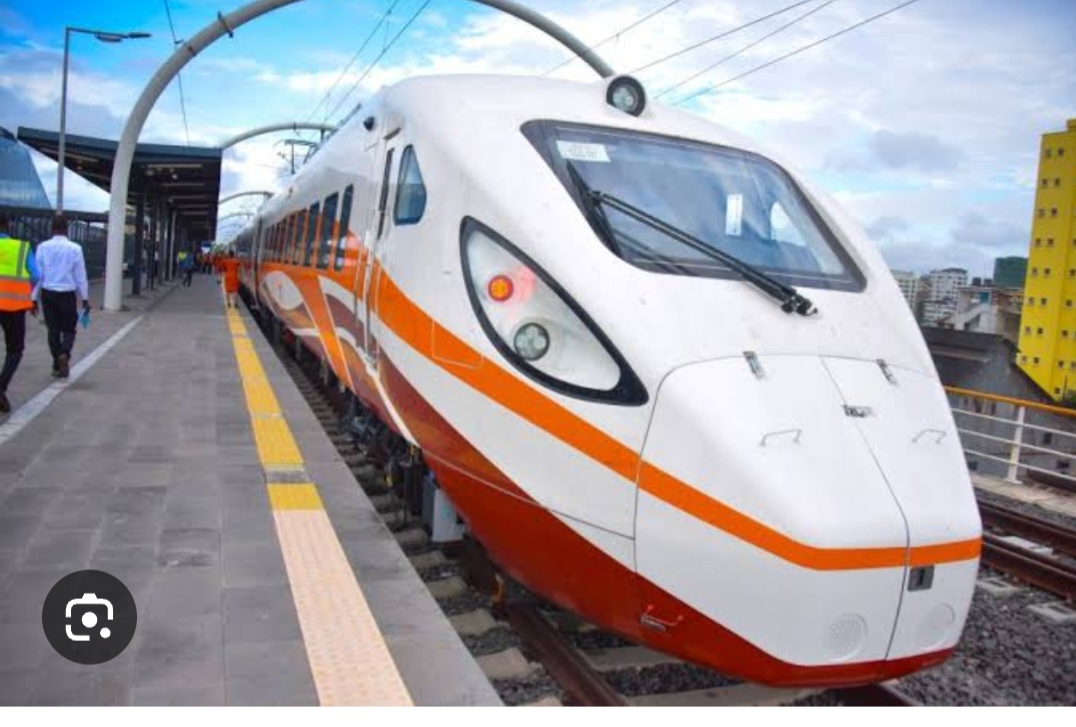
DAR ES SALAAM: TANZANIA’S Standard Gauge Railway (SGR) electric train has undeniably transformed long-distance travel, yet buses remain a popular choice.
But, why do travellers opt for one over the other? A recent survey and interviews by ‘Daily News’ with passengers reveal the key factors influencing their decisions.
For many, the SGR offers a superior travel experience, it improves transportation quality by offering a reliable and faster mode of travel between major cities, thus supporting business and production growth.
“I always choose SGR because it is comfortable, safe and much faster compared to buses,” says Mr James Mwambungu, a frequent traveller.
The appeal lies in the modern amenities, smooth ride and reduced travel time, making long journeys less daunting.
Ms Rahel John, based in Dodoma, echoes this sentiment, commending the comfort and efficiency of the SGR.
“The world is amazed by what is happening in Tanzania,” she said, highlighting the pride many feel in the nation’s infrastructure development.
Despite the SGR’s advantages, buses continue to attract a significant number of passengers. “With buses, I can travel at any time without worrying about strict schedules,” says Aisha Hassan, a businesswoman from Dar es Salaam.
ALSO READ: Decongest Dr Samia Dodoma’s SGR station, TRC tasked
She added, “Also, bus stations are more accessible than SGR stations, which are sometimes far from town centres. This flexibility is crucial for those with unpredictable schedules or who require immediate travel.” John Palangyo, a wholesale supplier, said the convenience of buses lies on luggage policy.
“On the train, I have to follow strict luggage rules,” he says.
“With buses, I have more flexibility.” This is a significant factor for travellers carrying large or bulky items.
However, TRC will soon start serving cargo transporters, as it has already received 264 freight wagons manufactured in China by CRRC, as part of a larger consignment of 1,430 units ordered under a contract aimed at equipping the SGR with state-of-the-art freight solutions. While the SGR boasts significant success, certain challenges impact its appeal.
Ticketing accessibility, as experienced by Mr Hamis Hassan, can be a major deterrent.
“There’s a lack of ticketing offices in strategic locations,” Mr Hassan points out, highlighting the additional costs and inconvenience of travelling to distant SGR stations.
He added, “To serve all passengers, not just those online, SGR needs city-centre ticket offices, preventing unnecessary travel to remote stations for unavailable tickets.”
When reached for comment, TRC Head of Public Relations, Fred Mwanjala, said, “We have received feedback from Tanzanians requesting TRC to appoint ticketing agents. We have acknowledged it and are working on it.”
However, he said they have also encountered the challenge of individuals illegally appointing themselves as agents in violation of TRC regulations, defrauding and overcharging people.
“Some of these individuals have been apprehended, and we have handed them over to the relevant authorities for legal action,” said Mr Mwanjala.
Miriam Simbila, a university student, suggests that affordable shuttle services linking SGR stations to key town centres would significantly enhance the train’s accessibility.



316486 567791I dugg some of you post as I thought they were extremely useful handy 168479