Remarkable progress in Tanzania’s fishing industry
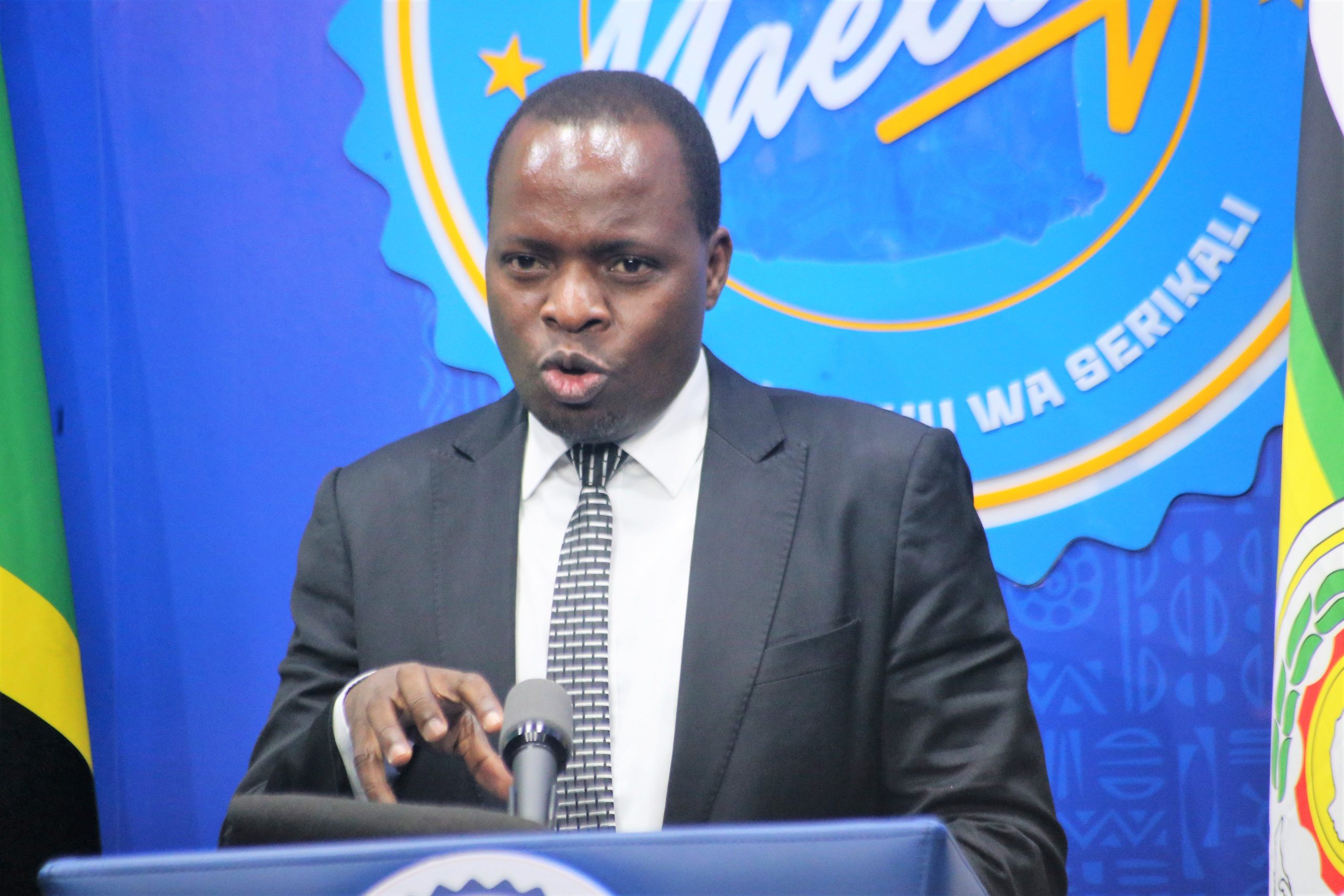
COASTAL REGION: TANZANIA’S fishing sector has made significant strides over the past four years under President Samia Suluhu Hassan’s leadership, including the construction of the country’s first fishing port in Kilwa Masoko, Lindi Region.
According to Permanent Secretary in the Ministry of Information, Culture, Arts and Sports and Chief Government Spokesperson, Mr Gerson Msigwa, the port is now 79 per cent complete.
The 289.5bn/- project is expected to transform the industry by bolstering deep-sea fishing and improving the livelihoods of fishing communities.
Mr Msigwa said on Sunday that the investments in the fisheries sector aim to increase the production of fishery products.
He added that the fishing port project includes the construction of wharf berths, which are 98 per cent complete, as well as an administration building and a cold storage facility for preserving fish.
“The completion of this fishing port, along with related initiatives, will enable fishing vessels operating in Tanzania’s Exclusive Economic Zone (EEZ) and the deep sea to dock and offload both target and non-target fish. This will stimulate investments in fish processing factories and the development of infrastructure for fishery product storage,” Mr Msigwa said.
He further said that the investment would also contribute to boosting the export of fishery products.
“The government under President Samia has invested in the construction of the largest fishing port in Kilwa. The project is progressing well and once completed, it will open up numerous economic opportunities for us. Let’s take advantage of these opportunities,” he urged.
ALSO READ: Fishing boom after ban lift in Tanganyika
In addition, between 2020 and 2024, a total of 274 fish cages worth 5.6bn/- have been loaned to 1,250 citizens. Eight groups have harvested 83.2 tonnes of fish, generating 645m/- in revenue.
The government has also distributed 160 fishing boats to 3,163 beneficiaries, of whom 1,008 are women and 2,155 are men.
Mr Msigwa noted that the export of fishery products has increased from 167, 256.16 tonnes worth 813.53 million US dollars in 2020 to 181,655.70 tonnes, valued at 878.88 million US dollars in 2024.
Tanzania currently produces 472,579 tonnes of fish annually, with 429,168 tonnes coming from natural waters. The sector generates 3.4tri/- per year, growing at a rate of 1.9 per cent and provides direct employment to 230,000 people.
Meanwhile, Mr Msigwa noted the successes of the livestock sector under President Samia’s leadership, including a substantial increase in meat exports.
From 1,774 tonnes in 2020/2021, meat exports grew to 14,701 tonnes in 2023/2024, contributing 61.39 million US dollars to the country’s foreign reserves.
He also said that the number of certified meat processing plants for export has increased from four to seven in the 2024/2025 financial year.
“The rise in the number of meat processing plants has provided livestock farmers with a reliable market for their products, creating employment opportunities and expanding the tax base,” he said.
Mr Msigwa also underscored the importance of economic diplomacy, as Tanzanian meat is now sold in 12 countries, including Bahrain, Comoros, Hong Kong, Jordan, Kenya, Kuwait, Oman, Qatar, Rwanda, Saudi Arabia, the United Arab Emirates and Vietnam.
He noted that the Ministry of Livestock and Fisheries, in collaboration with the National Land Use Planning Commission, has allocated 11,754.4 hectares of grazing land across 48 villages.
This brings the total amount of allocated land to 3,477,865.8 hectares as of February 2025. “This initiative will help reduce conflicts between livestock keepers and other land users,” Mr Msigwa concluded.