

Reconciliation is not the responsibility of leaders alone, it is the collective duty of all citizens to foster national unity
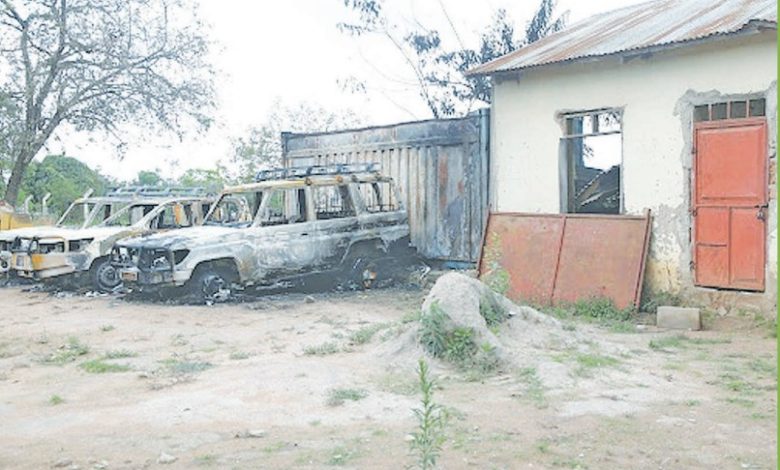
DAR ES SALAAM: IN today’s world, where governance continues to improve, multiparty general elections are a cornerstone of democratic life. Such an election environment allows citizens to choose leaders, debate ideas and shape their nation’s future.
But as history has shown, elections held in such an environment, especially closely contested ones, often leave deep emotional, political and social divisions.
In such settings, allegations of irregularities, mistrust of institutions, inflammatory political rhetoric and polarised media narratives can fracture communities long after ballots are counted.
After an election in a multiparty system, with leaders having been elected, national reconciliation and healing are not optional; they are essential to social stability, economic recovery and democratic consolidation.
At the heart of meaningful reconciliation is community engagement. While national leaders and institutions play an essential role, true healing in my view has to begin at the grassroots; in villages, neighbourhoods, workplaces, faith institutions and civic forums where ordinary citizens live with the consequences of political division.
In numerous multiparty elections, the process of selecting leaders often involves various groups backing different candidates across countries. However, following the elections, and amongst contesting leaders have been elected, the nation must recognise the need to overcome these divisions and unite to foster national development.
ALSO READ: Access to capital drives development journey
Unquestionably, multiparty elections produce winners and losers. When political competition is intense, electoral outcomes can evoke feelings of exclusion, injustice or fear among segments of the population. Communities or individuals may become divided along party, ethnic, regional, religious or generational lines.
In extreme cases, these divisions can manifest as protests, violence, hate speech, economic boycotts or longterm social distrust. History across many democracies shows that unresolved post-election grievances can undermine state legitimacy, deter investment, slow economic activity and erode social cohesion.
Businesses delay expansion, communities lose trust in local authorities and citizens disengage from national development efforts. Without reconciliation, the political cycle becomes a recurring pattern of tension rather than progress.
Thus, national reconciliation should not be treated as a political slogan or a oneoff event. It is, in my view, a continuous process of rebuilding trust, restoring dignity and reaffirming shared national values.
Importantly, reconciliation is not about forcing people to forget grievances or to silence legitimate concerns. Instead, it is about creating safe, inclusive spaces where differences can be addressed peacefully and constructively, and where time is allowed to uncover and learn about those that might not have been managed well.
Governments, opposition parties, civil society organisations, traditional leaders, faith institutions, the media, and citizens all have roles to play in ensuring that unity and peace are the most important factors for any nation to prosper.
Learning from others, it is clear that reconciliation efforts confined to elite political dialogues often fail to reach the everyday realities of citizens. Here, community engagement becomes not only indispensable but instrumental.
Many might not agree with my view, but community engagement involves actively involving citizens in dialogue, decision-making, problem-solving and collective action. After elections, community-based engagement helps transform political competition into social cooperation. It humanises political differences by reminding citizens that neighbours, colleagues and family members share more in common than what divides them.
For example, in communities where post-election tensions have emerged, local dialogue forums facilitated by respected community leaders can allow citizens to express frustrations, clarify misinformation and listen to alternative perspectives. Such forums reduce rumours and prevent the escalation of conflict by addressing issues early and openly, and here the role of faith leaders is critical.
Religious leaders and cultural custodians often command moral authority that transcends political affiliations. Their involvement in reconciliation processes through preaching lends credibility and trust. In many communities, these leaders can convene inter-party or inter-community dialogues that politicians may struggle to facilitate without raising suspicion.
For instance, faith-based organisations can organise joint prayers, peace sermons, and community service activities that bring together supporters from different political parties.
Shared spiritual and moral values help reframe political disagreements within a broader context of unity, compassion and national responsibility. Alongside religious leaders, young people are often at the centre of post-election tensions, either as political mobilisers or as victims of political manipulation.
At the same time, youth represent the most significant opportunity for sustainable reconciliation. Engaging young people through activities such as sports, arts, entrepreneurship programmes, and civic education initiatives can redirect political energy towards constructive nation-building. Community-led youth dialogues, for example, can address issues such as unemployment, political exploitation and digital misinformation.
ALSO READ: A New Year for business data-driven decisions
When young people are given platforms to discuss their concerns and contribute to solutions, they become peace ambassadors rather than agents of division or a group of people who will cause chaos without understanding the consequences of the decisions they make for themselves and the nation as a whole.
In the pursuit of lasting peace and solidarity, the role of women, or mothers who are in our upbringing and our first teachers, is vital. Women play a critical yet often under-recognised role in reconciliation.
As caregivers, community organisers and economic contributors, women are deeply affected by post-election instability. Community engagement initiatives that empower women; through savings groups, peace committees and mediation efforts strengthen social resilience.
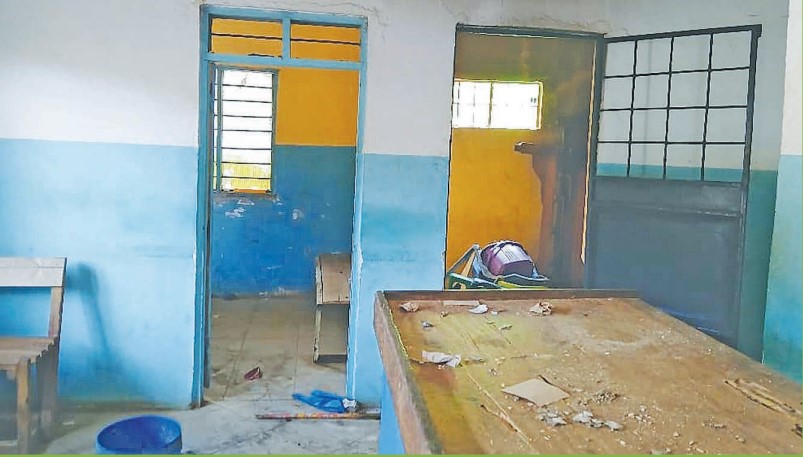
reduced to ruins during the unrest on 29 October 2025.
The media plays a decisive role in shaping postelection narratives. Responsible journalism can promote reconciliation by emphasising facts, amplifying voices of unity and discouraging hate speech. Community radio stations, in particular, can serve as platforms for inclusive dialogue, peace messaging and civic education.
Community engagement with the media, through call-in programmes and town hall broadcasts, helps counter misinformation and rebuild trust. When citizens hear their concerns reflected respectfully in the press, they are more likely to feel included in the national conversation.
Economic hardship often intensifies political divisions. Community-based economic initiatives; such as cooperatives, joint markets, infrastructure projects or local development committees can foster reconciliation by aligning political rivals around shared economic interests.
For example, farmers from different political backgrounds working together in a cooperative are more likely to prioritise productivity and mutual benefit over political hostility. Shared economic goals help transform adversarial relationships into partnerships, reinforcing peace through practical cooperation.
ALSO READ: Life without birth certificate feels invisible, nonexistent
I believe that a national reconciliation is not merely about tolerating differences; it is about cultivating a shared sense of purpose. Community engagement encourages citizens to see elections as one chapter in a longer national story rather than a zero-sum contest.
It reminds people that democracy thrives not when one side dominates, but when society remains cohesive despite disagreement.
This is critical because healing takes time. It requires patience, humility and leadership at all levels. Importantly, reconciliation should be proactive; not reactive embedded into civic education, local governance and national development strategies long before the next election cycle.
After a multiparty general election, the true test of democracy lies not only in the credibility of the vote but also in the nation’s ability to heal and move forward together. National reconciliation and healing through community engagement offer a sustainable path to peace, stability and inclusive development.
When communities talk to each other, work together and listen with empathy, political wounds can heal. Elections may divide opinions, but they should never divide a nation beyond repair.
Through deliberate, inclusive and locally driven engagement, societies can transform post-election tensions into opportunities for renewed unity and shared national progress.
My fellow Tanzanians, we must always remember that reconciliation is not the responsibility of leaders alone; it is the collective duty of citizens committed to the future of our united country


https://www.aa.com.tr/fr/afrique/pr%C3%A8s-de-20-millions-le-maroc-enregistre-un-nombre-record-de-touristes-en-2025/3790948
Toa ushahidi au maoni kwa Tume kuhusu matukio ya wakati na baada ya Uchaguzi mkuu kwa SMS/WhatsApp:0743040890 au kupitia https://tume.uchunguzi.go.tz.
My programmer is trying to persuade me to move
to .net from PHP. I have always disliked the idea because of the expenses.
But he’s tryiong none the less. I’ve been using WordPress on several websites
for about a year and am anxious about switching to another platform.
I have heard good things about blogengine.net.
Is there a way I can transfer all my wordpress content into it?
Any kind of help would be really appreciated!
Premier xxx platforms offer high-quality content for adult entertainment.
Choose secure sites for a safe and enjoyable experience.
Also visit my website :: BEST FREE PORN VIDEOS