Bunge Committee stresses on products’ standards, safety
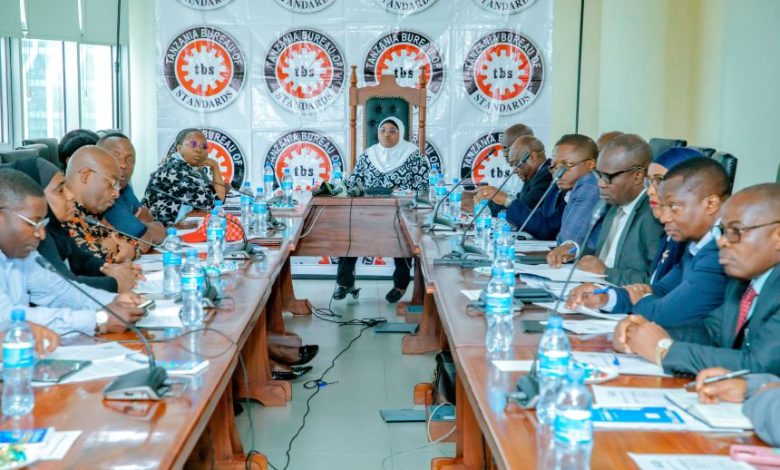
DAR ES SALAAM: THE Parliamentary Standing Committee on Industry, Trade, Agriculture and Livestock has stressed that strategic investments in institutions responsible for overseeing product standards and safety are essential for the robust business and societal well-being.
The Committee’s Vice Chairperson, Ms Mariam Ditopile on Tuesday further said that they visited and inspected the performance of three government institutions namely Tanzania Bureau of Standards (TBS), Weights and Measures Agency (WMA) and the Fair Competition Commission (FCC).
“These institutions play a pivotal role in ensuring consumer protection, fostering market confidence, enhancing economic competitiveness, attracting investment, improving trade facilitation and supporting industrial growth,” she said.
Also, Ms Ditopile said that the institutions are crucial for ensuring the safety of products used by Tanzanians, as well as for creating fair business and investment environments.
By empowering these institutions, they will ensure that investors who put their money in the country will have a reliable market for their products, especially by preventing loopholes that allow substandard or counterfeit goods to enter the Tanzanian market.
Ms Ditopile said there is a need to engage all relevant institutions with DP World at the Dar es Salaam Port to ensure that systems are synchronised for enhancing the efficiency of port operations.
“This collaboration fosters streamlined processes that reduce waiting times and improve logistics, which are essential for effective supply chain management,” she said.
ALSO READ: Bunge Committee Satisfied with SEQUIP, BOOST projects in Kibaha
When public institutions and private investors work together, they can better align their objectives and processes, leading to improved communication and coordination.
This synchronisation also facilitates compliance with safety and quality regulations, ensuring that products entering the market meet established standards and protecting consumers from substandard goods.
Moreover, she said the synchronised systems optimise resource utilisation, allowing for more effective management of infrastructure, workforce and technology.
“This not only reduces operational costs but also enhances the overall user experience for businesses involved in shipping and logistics,” she stated.
She said the efficient port operations are vital for boosting trade and attracting investment, ultimately contributing to the country’s economic growth.
Further, she said by ensuring that goods move smoothly through the port, stakeholders can enhance the nation’s competitiveness in global markets, stimulating increased trade activity and fostering a thriving economy.
The Deputy Minister of Industry and Trade, Mr Exaud Kigahe, said that once bureaucracy is reduced at the ports and borders, it will encourage and attract other nations to use the ports.