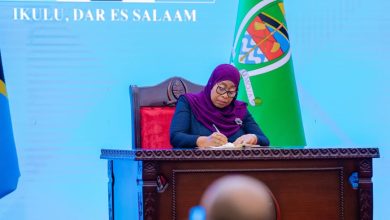
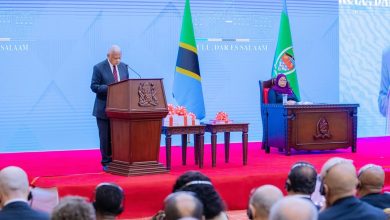
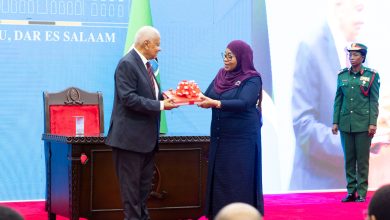
Govt targets 75pc renewable energy by 2030, eyes 32tri/- funding
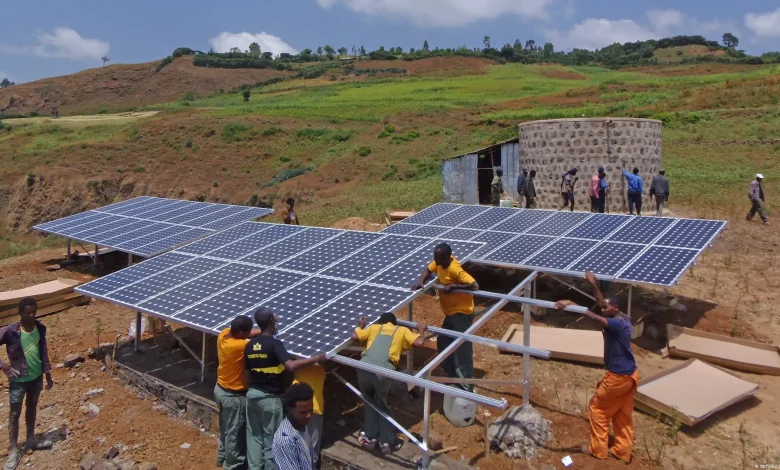
DAR ES SALAAM: TANZANIA is seeking to mobilise 32tri/- (approximately 12 billion US dollars) in financing to scale up renewable energy projects and realise its ambitious target of generating 75 per cent of electricity from renewable sources by the year 2030.
This was revealed on Thursday by the Energy Commissioner from the Ministry of Energy, Mr Innocent Luoga, during the official opening of the Renewable Energy Week in Dar es Salaam.
Mr Luoga said the government has so far attained 61 per cent investment in the renewable energy sector and is working closely with stakeholders to raise the share to 75 per cent within the next five years.
“In order to successfully implement projects geared at boosting renewable energy generation to 75 per cent, substantial funding is required. We are working in partnership with the private sector to mobilise these resources,” said Mr Luoga.
He disclosed that the government intends to contribute 8 billion US dollars, with the remaining 4 billion US dollars expected to come from private sector investment. Development partners have also been invited to explore funding opportunities and support the rollout of renewable energy initiatives.
“We are creating platforms for the private sector and development stakeholders to mobilise the necessary funds and identify priority projects they can support,” he noted.
ALSO READ: Dr Mpango to grace Renewable Energy Week 2025
Tanzania currently has an installed electricity generation capacity of 4,031 megawatts (MW). Of this, 2,700 MW – equivalent to 67 per cent – is generated from hydropower sources, while 1,198 MW or 28 per cent is sourced from natural gas.
Solar energy contributes just 5MW, accounting for a mere 0.26 per cent of the national generation, whereas biogas – largely produced from rice husks – contributes around 10.5 MW.
The country’s power generation capacity saw a significant increase following the completion of the Julius Nyerere Hydropower Project in March 2024. Before its completion, the total installed capacity stood at around 2,000 MW.
Looking ahead, Mr Luoga said the government’s strategic plan includes ensuring that 100 per cent of the population gains access to renewable energy by 2030. Additionally, 8.3 million new customers are expected to be connected to the national grid by that time.
By 2034, the government targets 80 per cent of the population having reliable access to electricity, with plans to continue expanding coverage in the years that follow.
Meanwhile, Chairperson of the Tanzania Renewable Energy Association (TAREA), Dr Prosper Magali, called on the government and private sector to strengthen collaboration to fast-track the transition to clean cooking energy solutions.
He noted that this year’s forum had placed emphasis on exploring pathways for Tanzanians to embrace clean cooking technologies by 2034.
ALSO READ: TZ optimistic about renewable energy future at Africa Energy Summit
“We commend the government for championing global efforts on clean cooking energy. We remain committed to supporting these efforts by promoting sustainable technologies such as electric cooking appliances, improved biomass stoves and biofuels,” said Dr Magali.
He further emphasised the need to utilise renewable energy sources such as solar and wind to serve rural communities that still lack reliable electricity access, noting that electricity has now reached almost every village.
However, he pointed out that the high cost of clean cooking appliances remains a major challenge.
“We urge the government to consider removing taxes on clean cooking technologies to make them more affordable and enable all Tanzanians to participate in the clean cooking transition,” he appealed.
The 2025 Renewable Energy Week seeks to enhance collaboration, investment and policy development in support of clean and safe energy adoption, particularly among low-income households.
TAREA has urged the public to embrace renewable energy initiatives for the benefit of public health, environmental conservation and sustainable economic development.