Human Capital Summit: Why Tanzania is proud
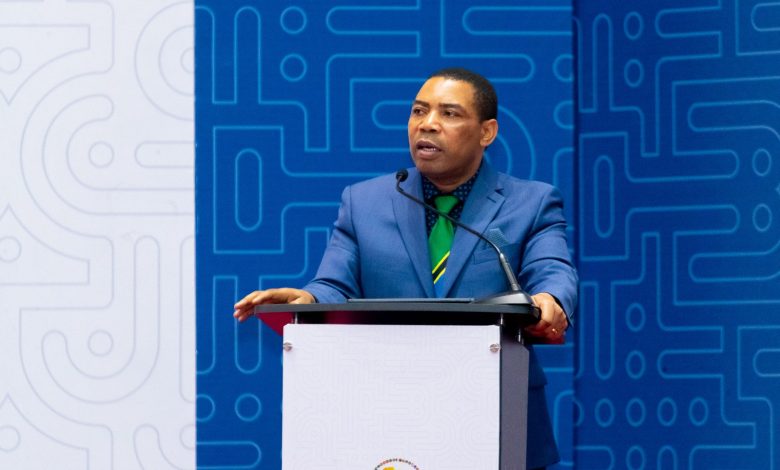
Tanzania is proud of having accelerated human capital outcomes through its steadfast commitment to education and healthcare, says Finance Minister Dr Mwigulu Nchemba.
Speaking prior to the opening of ministerial technical session of the Heads of State Human Capital Summit (HCS) in Dar es Salaam on Tuesday, Dr Mwigulu says the Eastern African country remains dedicated to the cause, knowing that the journey towards fully harnessing the potential of our people is an ongoing process.
“We invite other nations to learn from our experiences, collaborate with us, and join hands in building a brighter future where human capital serves as the bedrock of sustainable development. We believe that this Summit will be a catalyst for transformative change in Africa’s pursuit of human capital development,” he adds before welcoming Vice President Dr Philip Mpango to deliver the opening speech.
According to him, Dr Mwigulu says Tanzania continues to curb poverty and income inequalities through the implementation of various programmes such as Perspective of Social Security Net (PSSN) as part of the strategy.
The program, he addresses, intends to improve social services delivery, capacity enhancement for communities, rehabilitation of health care facilities, schools and other small-scale infrastructure.
“The program has resulted in successively improving human capital outcomes among the poor, and the rapid expansion of safety nets in the country,” Tanzania’s Finance Minister tells the summit’s participants.
The overall theme of the Summit zeroes on “linking investments in human capital to economic growth and harnessing the demographic dividend” through addressing learning poverty and the skills gap for youth and women.
According to the World Bank website, learning poverty is the share of children unable to read and understand a simple text by the age of 10, estimated to be 89 per cent in Africa.
“The two-day summit will bring a bottom-up demand to human capital prioritization and investments (via technical workshops in all Sub-Saharan countries) by discussing challenges and bottlenecks to human capital accumulation along with identification of priorities and drivers of growth,” reads the Bretton Wood institution’s website.