Gold sale: A global economic strategy

DAR ES SALAAM: THE decision to sell a specified quantity of gold is not a novel or unusual occurrence in Tanzania alone.
I have been compelled to discuss this matter, particularly in light of the unproductive discussions on social media, that Tanzania plans to sell gold in order to fund infrastructure projects.
As an analyst of economic issues, investment, and capital mobilisation, in my opinion certain contributors are either following a trend blindly or have either a limited understanding or no idea at all of why selling gold reserves is a strategic economic tool used by nations.
Before delving into the economic benefits of such a decision as an economic tool, let us ensure we are all on the same page by clarifying the insights of those with limited understanding.
Gold reserves are traditionally held by central banks and governments as a hedge against currency and financial instability and as a store of value that enhances credibility in international markets. Therefore, selling gold reserves is a strategic economic instrument.
Nevertheless, in certain situations, such as fiscal stress or urgent financing requirements, governments may choose to sell a portion of their gold reserves to support national priorities. This approach can provide liquidity to an economy without requiring financing; however, it entails trade-offs that necessitate meticulous oversight.
To illustrate that this decision is not unique to Tanzania, I will provide a few examples from various national sources of countries that have sold or monetised their gold reserves for strategic reasons.
The gold price trend observed from 2015 to December 2025, as briefly illustrated above, together with our continued discussion of Tanzania’s decision to offload a portion of its gold reserve, indicates that there will be a substantive gain. In early 2024, gold averaged roughly $2,000– $2,400 per ounce internationally, and as of this January 2026, based on the same international market price, gold prices have surged past $5,000 per ounce, reaching record highs in many markets.
In early 2026, Tanzania’s government announced its intention to sell a portion of its gold reserves held at the Bank of Tanzania (BoT). The good news is that Tanzania is going to offload a portion of its gold reserves at a time when prices have risen substantially since the reserves were first accumulated.
Many of you should note that, by the end of December 2025, Tanzania’s gold reserves were estimated at approximately $1.3 billion. It is also well known that, according to the BOT’s monthly economic reports, gold is a major export commodity for Tanzania, accounting for about 22.5 per cent of exports, contributing around 10 per cent of GDP, and making up 15 per cent of tax revenues.
Without delving into the rationale for Tanzania’s proposed steps, I argue that these steps offer several economic benefits. In fact, Tanzania’s proposal, if implemented prudently, will yield a range of macroeconomic and development benefits, including immediate capital for priority projects. Selling a portion of gold reserves frees up liquidity that can be invested directly in proven economic productivity boosters: roads, ports, power generation and industrial zones.
These investments have multiplier effects, creating jobs, enhancing economic connectivity, and stimulating private-sector growth. Unlike borrowing, they avoid long-term interest costs and dependence on external creditors.
Two, Reduced External Borrowing and Debt Burden. Borrowing from international lenders often comes with strict conditions and interest payments over decades. By using existing domestic assets, Tanzania can finance infrastructure while keeping its debt profile more manageable and sustainable. These improvements in public finance health will unquestionably lower sovereign borrowing costs and improve credit ratings over time.
Thirdly, gold sales typically generate foreign exchange, which can defend the Tanzanian shilling against volatility. This is important only because Tanzania’s foreign exchange reserves were just sufficient to cover a few months of imports prior to this proposal. Stronger reserves improve investor confidence and provide a cushion against external shocks.
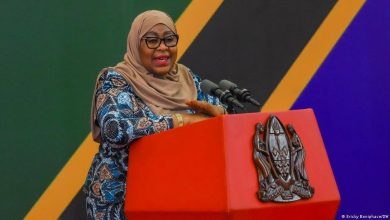
Fourthly, this move will encourage domestic value addition. Tanzania’s strategy, led by Dr Samia Suluhu Hassan and centred on increased purchases of gold from domestic miners and local refining through firms such as Geita Gold Refinery and Mwanza Precious Metals, which began under her rule, ensures that monetisation remains tied to local industrial development. Refining and local processing not only increase value capture but also create jobs and opportunities for technology transfer.
Reducing reliance on external aid and loans enhances fiscal autonomy, which, in my view, will enable Tanzania to make development decisions aligned with national priorities rather than donordriven agendas because resource-backed finance helps develop a long-term domestic financing culture that can be replicated in other resource sectors.
ALSO READ: Why BoT sells gold
What I can say is that the practice of selling gold reserves, while uncommon among advanced economies, has increasingly been used by developing and resource-rich countries to bridge financing gaps, especially where traditional aid and borrowing avenues are constrained. Nations such as Venezuela and Mali illustrate both the necessity and the perils of such decisions. Meanwhile, historic cases, such as the UK’s, show how timing and purpose determine whether reserve sales become strategic successes or long-term regrets.
Hence, for Tanzania, selling part of its gold reserves through the Bank of Tanzania presents a rare opportunity to convert an underutilised asset into development financing. By carefully managing the timing of sales to coincide with strong market prices, maintaining transparency, and investing in high-impact infrastructure, Tanzania could improve currency stability, reduce borrowing costs, enhance investor confidence, and accelerate economic growth.
I know that Tanzania has long served as an example for many other nations across a range of issues. If the decision to offload a portion of our gold reserve is made prudently, it could serve as a model for other resource-rich African nations seeking to finance development internally while preserving long-term fiscal and monetary resilience.