

Why Tanzanians must uphold resilience, unity
DAR ES SALAAM: AS Tanzania marks yet another year of independence, it is essential to reflect not only on the freedom achieved in 1961 but also on the enduring responsibilities that come with it.
Independence is more than a historical milestone; it is a living covenant between the nation and its people, a promise of sovereignty, self-determination and the capacity to shape our own destiny.
Recent events, including attempts to destabilise the country and growing signs of external pressures, serve as a stark reminder that freedom is fragile and must be actively defended through resilience, unity and responsible governance.
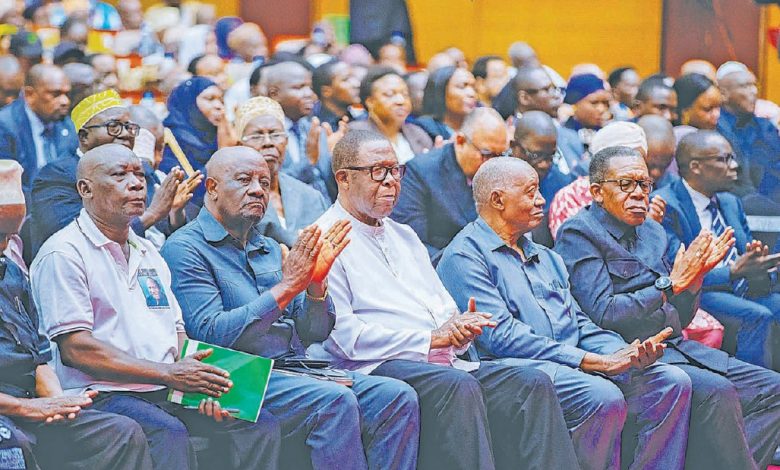
On 2nd December 2025, President Samia Suluhu Hassan addressed the Dar es Salaam Council of Elders, offering guidance to a nation still grappling with the aftermath of unrest.
Her words were deliberate, calm and rooted in an understanding of Tanzania’s historical, social and political context.
She framed the recent turbulence not as an insurmountable crisis but as an opportunity to reaffirm national discipline, strengthen civic responsibility and rebuild trust in institutions.
She equally urged Tanzanians to exercise social, political and economic resilience, particularly at a moment when some countries are threatening to withdraw support or impose undue influence on domestic affairs.
The events of October 29, 2025, described by the President as a “broad, coordinated effort with internal and external sponsorship,” were not spontaneous popular uprisings. Rather, they were carefully orchestrated acts designed to inflict maximum political and emotional damage.
By making this distinction, President Samia called on citizens to see through the tactics of destabilisation, reminding them that attacks on peace and infrastructure ultimately harm ordinary Tanzanians more than any government or institution.
Her message was clear: The defence of the nation is not only the responsibility of the state but a shared obligation of every citizen.
A crucial aspect of resilience lies in recognising the interconnectedness of all citizens.
“When one Tanzanian hurts, we are all hurt; when one dies, we are all affected,” the President observed.
This recognition underscores the moral and social imperative to act in ways that protect collective well-being.
Independence is not a privilege to be taken for granted but a responsibility to be exercised consciously every day.
Tanzanians must safeguard one another, uphold national unity and resist divisive forces, whether internal or external. Dar es Salaam’s strategic role in national survival was made clear.
As home to 6 million people and a source of 17 per cent of national revenue, the city serves as Tanzania’s commercial and logistical backbone.
“If Dar es Salaam is destabilised, livelihoods across the country collapse,” the President said. This statement is more than a caution; it is a call to national prudence and economic responsibility.
Citizens must understand that preserving critical infrastructure and maintaining social order are acts of patriotism that directly contribute to the country’s resilience and ability to self-sustain. Economic resilience must become a shared priority.
ALSO READ: Tanzania marks 64 years of sovereignty with a call to uphold peace, unity
External pressures, including threats of aid withdrawal, reveal the dangers of over-reliance on foreign assistance.
Tanzania’s independence, both politically and economically, requires building systems that can withstand shocks, generate internal revenue and sustain development projects even in times of external uncertainty.
This is a moment to reaffirm the principles of self-reliance that guided the nation’s founding fathers: To harness domestic resources, cultivate local talent and ensure that the benefits of national progress are widely shared.
The President’s message to religious and community leaders reinforced the importance of societal resilience.
By urging restraint and clarity of purpose, she reminded Tanzanians that politicising spiritual or social authority can undermine unity.
Leadership in all forms: Political, religious, or civic must prioritise guidance over manipulation.
When communities remain cohesive, they are better equipped to withstand both internal and external pressures, reinforcing the nation’s sovereignty.
Modern challenges, including information warfare and digital manipulation, also demand heightened vigilance.
Coordinated misinformation campaigns, particularly on social media, aim to inflame tensions, erode trust and destabilise governance.
President Samia’s caution against forwarding unverified information and reacting impulsively calls for digital literacy, civic responsibility and collective wisdom.
Resilience today is not only about physical infrastructure or state institutions; it is also about maintaining the integrity of public discourse and ensuring that the national conversation remains grounded in truth.
The President called on Tanzanians to resist imported models of unrest and external pressure.
The nation’s founding fathers achieved independence by navigating colonial challenges through dialogue, discipline and homegrown solutions.
Contemporary citizens are urged to defend their nation not by imitating the chaos of other countries but by drawing lessons from their own history.
This includes rejecting tribalism, sectarianism and externally inspired divisions, factors that have historically threatened national cohesion in many regions.
Youth, as both the future and the present of the nation, occupy a central role in this vision of resilience.
President Samia reminded the younger generation that “our wounds will be healed by ourselves, not by outsiders.”
Young Tanzanians are therefore not only beneficiaries of independence but guardians of its legacy.
By maintaining peace, engaging in constructive civic participation and resisting manipulation, they ensure that independence continues to be meaningful and effective.
This message is particularly relevant as the nation confronts economic uncertainties, political challenges and social pressures. Political resilience is equally vital.
The President’s stance on constitutional reform illustrates measured governance: Progress must occur in a responsible, sequential manner, free from coercion or external dictate.
Tanzania’s sovereignty, she affirmed, will not be compromised by rushed agendas or foreign influence.
This principle underscores the importance of informed, patient and participatory political engagement. Citizens have a role in supporting governance through lawful participation, constructive debate and vigilance against actions that threaten national stability.
Tanzania’s natural resources, she noted, must serve unity rather than division.
The country’s abundant mineral wealth, fertile lands and strategic geographic position are tools for collective prosperity, not instruments for external manipulation or internal conflict.
Economic self-sufficiency, built on the careful stewardship of these resources, is a cornerstone of resilience.
Citizens, business leaders and policymakers must work together to harness these assets responsibly, ensuring that development benefits all Tanzanians rather than a select few or foreign actors.
The commemoration of independence offers an ideal moment for reflection. Freedom was won through sacrifice, discipline and unity.
The recent challenges faced by the nation, political unrest, digital disinformation and threats to external support, represent the latest test in a long history of defending sovereignty.
Tanzanians are called upon to reaffirm the lessons of independence: That peace is precious, unity is intentional and national prosperity requires collective effort.
This is the essence of self-sufficiency: The ability to survive crises, heal wounds and continue development without being beholden to external forces.
Social resilience, political vigilance and economic independence are mutually reinforcing. Communities that maintain cohesion foster stable governance. Stable governance encourages economic growth and investment.
Economic resilience, in turn, allows citizens and institutions to withstand shocks, whether from natural disasters, political unrest, or foreign pressures.
The integration of these elements strengthens the nation as a whole, allowing Tanzania to pass this historic test with dignity, purpose and sustainability.



Uhuru Wako Unasemaje 9/12/2025? Uhuru Wako Unasemaje 9/12/2025? Uhuru Wako Unasemaje 9/12/2025? Uhuru Wako Unasemaje 9/12/2025? Uhuru Wako Unasemaje 9/12/2025? Uhuru Wako Unasemaje 9/12/2025? Uhuru Wako Unasemaje 9/12/2025? Uhuru Wako Unasemaje 9/12/2025? Uhuru Wako Unasemaje 9/12/2025? Uhuru Wako Unasemaje 9/12/2025? Uhuru Wako Unasemaje 9/12/2025? Uhuru Wako Unasemaje 9/12/2025? Uhuru Wako Unasemaje 9/12/2025? Uhuru Wako Unasemaje 9/12/2025?