TCB supplies 97 million seedlings, sector thrives
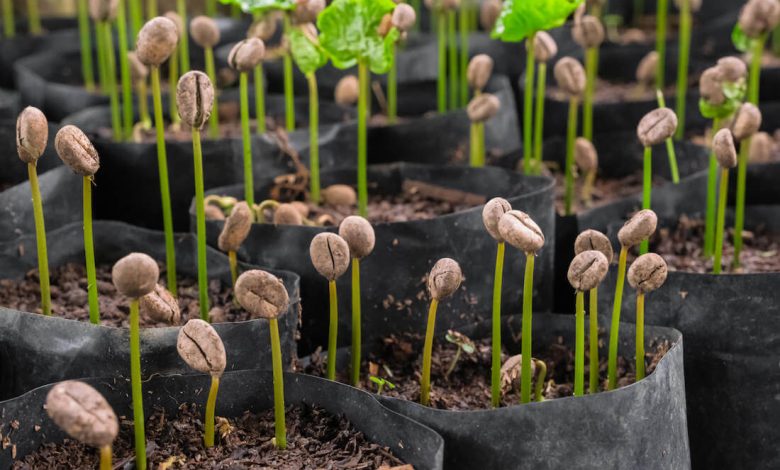
DODOMA: TANZANIA Coffee Board has distributed more than 97 million improved coffee seedlings to farmers across the country over the past four years, marking a major milestone in the implementation of the National Coffee Development Strategic Plan 2020/21 to 2024/25.
The impressive achievement—representing 102 per cent of the original target— was revealed during the 15th National Coffee Stakeholders Conference held in Dodoma earlier this month.
The conference brought together government officials, farmers, traders, processors and other stakeholders to review the progress of the coffee industry and map out the next phase.
TCB’s Agricultural Planning Officer Mr Geofrey Francis (pictured) said the seedlings—comprising both Arabica and Robusta varieties—were produced and distributed to farmers between 2020/21 and 2024/25 as part of efforts to boost annual coffee production to 300,000 tonnes by this year.
In 2020/21, TCB distributed 11.4 million seedlings. The number increased to 17.9 million in 2021/22, 22.6 million in 2022/23 and reached 31.3 million seedlings in 2023/24.
This brings the total to over 97 million seedlings, which is 102 per cent of our target. To complement production growth, the Coffee Board focused on improving coffee quality by aiming to increase the percentage of coffee that fetches premium prices from 39 per cent to 70 per cent.
ALSO READ: Modern coffee farming practices emphasised
This was achieved through the establishment of 218 pilot coffee farms and training of over 98,000 farmers on the “Ten Commandments” of producing high-quality coffee. The Board also expanded irrigation support through the drilling of 10 wells in Mbozi District, with preparations underway for more wells.
In addition, 108 young people were trained in coffee grafting techniques to boost youth participation in the sector. Large commercial coffee farms were established in Kagera, Mara, Songwe and Ruvuma regions, while 51 coffee inspectors were appointed and deployed to every coffee-growing district in the country to enhance quality control.
To strengthen Tanzania’s presence in international markets and promote local consumption, the Board initiated activities such as the World Coffee Drinking Day, the Kahawa Festival and the establishment of mobile coffee shops.
The Board also encouraged participation in international coffee exhibitions and promoted Tanzanian coffee branding, particularly in new markets like China.
Efforts to improve the coffee trading environment included the continued hosting of the annual National Coffee Stakeholders Conference, enhancement of digital trading platforms and the establishment of the Trade Portal to provide market access and transparency.
As the current five-year strategic plan comes to an end, stakeholders unanimously agreed to conduct a comprehensive evaluation and to develop the next plan—the National Coffee Development Strategic Plan 2025/26 to 2030/31—to ensure sustained growth of the sector.
The current strategy has not only increased coffee production and quality but has also created employment, empowered youth and women and strengthened Tanzania’s competitiveness in global coffee markets.