TARI’s pest management drive benefits fruits growers
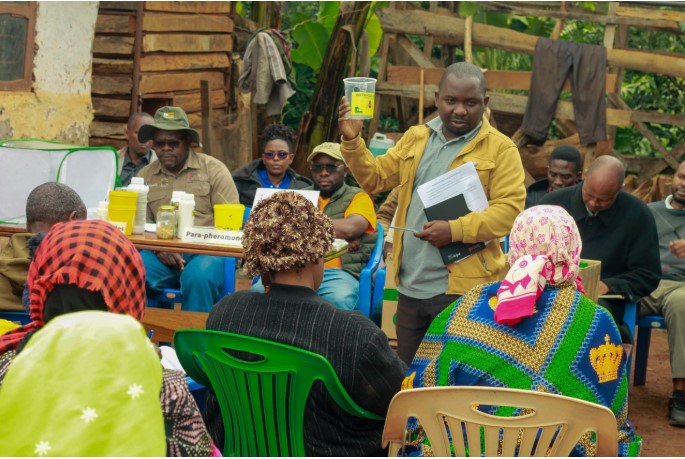
TANGA: FRUITS growers in the Kilimanjaro and Tanga regions are set to benefit from improved pest man-agement practices, thanks to a new initiative promoting Integrated Pest Management (IPM) technologies aimed at reducing crop losses and dependence on chemical pesticides.
The project, titled ‘Fruit Tree Agro-Ecological-Based IPM,’ is being implemented by the Tanzania Agricultural Research Institute (TARI) in collaboration with the International Centre of In- sect Physiology and Ecology (icipe) based in Kenya.
The initiative introduces farmers to eco-friendly methods for combating de- structive fruit pests such as fruit flies and borers.
Technologies being promoted include pest and beneficial insect identification, use of traps, field sanitation, protective netting and bio-pesticides all designed to improve fruit quality and yields while reducing chemical inputs.
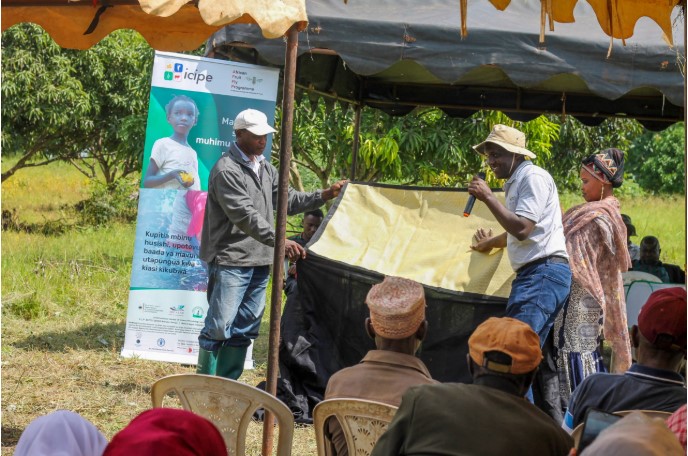
TARI’s Kifyulilo Research Centre manager and the project lead, Dr Abdullah Mkiga said the initiative has already trained over 500 stakeholders including 324 farmers and 31 agricultural officers from the Siha and Muheza districts.
ALSO READ: Tanzania to benefit from China’s tariff-free trade initiative
“Farmers have shown great interest in these technologies, but access to pest control inputs remains a challenge. We’ve now involved agro-dealers and private companies in the training sessions to link them directly with farmers and ensure a steady supply chain,” he said.
The project is being implemented through TARI’s research centres at Kifyulilo (Iringa), Ukiriguru (Mwanza), Tengeru (Arusha), and Mlingano (Tanga) and is funded by the German Development Agency (GIZ) through icipe.
It began in 2023. Fruit farming is a major economic activity in both regions. Kilimanjaro fo- cuses primarily on avocado cultivation, while Tanga is known for mango and or- ange production.
Tanga Regional Agriculture Officer George Mbaga welcomed the initiative, noting that pest infestations especially from fruit flies have long hindered productivity in the region.
“Most councils in Tanga grow mangoes and oranges, except some areas of Lusho- to and Bumbuli. The intro- duction of IPM technologies will boost both productivity and quality, helping farmers to earn more,” he said.
A researcher with icipe, Dr Shepard Ndlela explained that effective pest control could open doors to both domestic and export markets.
“Fruit farming is profit- able, but quality is key. If farmers adopt these techniques, they won’t just protect their harvests they’ll also gain access to better markets,” he said.
ALSO READ: Tanzania strengthens humanitarian law education through National Moot Court competition
Farmers who attended the recent training sessions expressed optimism about the new technologies. Ms Juliana Swai, an agro-inputs dealer in Muheza, said: “These technologies are easy to apply.
When used together, they make pest control manageable for small-scale farmers.” Mr Ismail Gunga, a mango and orange grower from Ngomeni village, added: “I’ve learned to distinguish between harmful and beneficial insects something I didn’t know before.”