Tanzania’s Expressway Master Plan is set to transform the transport system

DAR ES SALAAM: TANZANIA has taken a decisive step towards transforming its road transport system and accelerating its journey to a high-income economy following the launch of the Tanzania Expressway Master Plan, backed by a 5m US dollar grant from the Republic of Korea.
The initiative, unveiled yesterday during a high-level kick-off meeting in Dar es Salaam, is expected to lay the foundation for the development of modern expressways while strengthening local technical capacity to plan, design and implement large-scale road infrastructure.
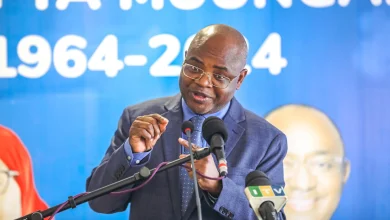
Speaking at the opening ceremony, Minister for Works, Abdallah Ulega, said the Expressway Master Plan is a strategic intervention aligned with Vision 2050 which aims to position Tanzania as a competitive, high-income economy driven by modern infrastructure.
“This initiative marks a major milestone in our efforts to unlock Tanzania’s economic potential through efficient, safe and integrated transport infrastructure,” Mr Ulega said.
He expressed gratitude to the Republic of Korea, through the Korea International Cooperation Agency (KOICA), the Embassy of the Republic of Korea in Tanzania, and the Economic Development Cooperation Fund (EDCF) for their strong and consistent partnership with Tanzania.
Under the cooperation framework, Korea has committed 5m US dollars in grant aid to support the preparation of the Expressway Master Plan and enhance human resource capacity in the road sector. The funding follows the signing of a Memorandum of Understanding (MoU) between the Ministry of Finance and KOICA in August 2025.
According to the minister, the project has three core objectives, to develop a comprehensive Tanzania Expressway Master Plan, establish implementation guidelines covering planning, design, operation and management, and strengthen the capacity of public sector professionals responsible for road infrastructure.
ALSO READ: Tanzania @62: Government cherishes safer, reliable transportation system
Mr Ulega said the master plan has been carefully aligned with key national development frameworks, including Vision 2050, the National Railway Plan, port and airport development strategies, new town and industrial zone initiatives, and ongoing and planned expressway projects under Public-Private Partnership (PPP) arrangements.
“This alignment underscores the importance of integrated and multimodal transport planning to ensure coherence across sectors, optimise infrastructure investments and maximise national development outcomes,” he said.
The minister further said the strategic importance of Tanzania’s nine transport corridors, which link ports, border points, production centres and major markets within the country and across the region.
“These corridors are critical for domestic and regional trade. It is therefore essential to clearly define future development scenarios and ensure coordinated, well-sequenced investments that enhance connectivity, efficiency and long-term economic growth,” he said.
He added that the development of expressways would play a key role in improving road safety, facilitating trade, strengthening regional integration and supporting industrialisation and urban development.
Mr Ulega stressed that successful implementation of the Expressway Master Plan would require strong inter-institutional coordination among sectors such as transport, finance, planning, logistics and water, as well as alignment of laws, regulations and institutional mandates.
“Open and continuous exchange of information on policy frameworks, implementation conditions and financing mechanisms, including PPPs, is essential to ensure effective planning and timely execution,” he said.
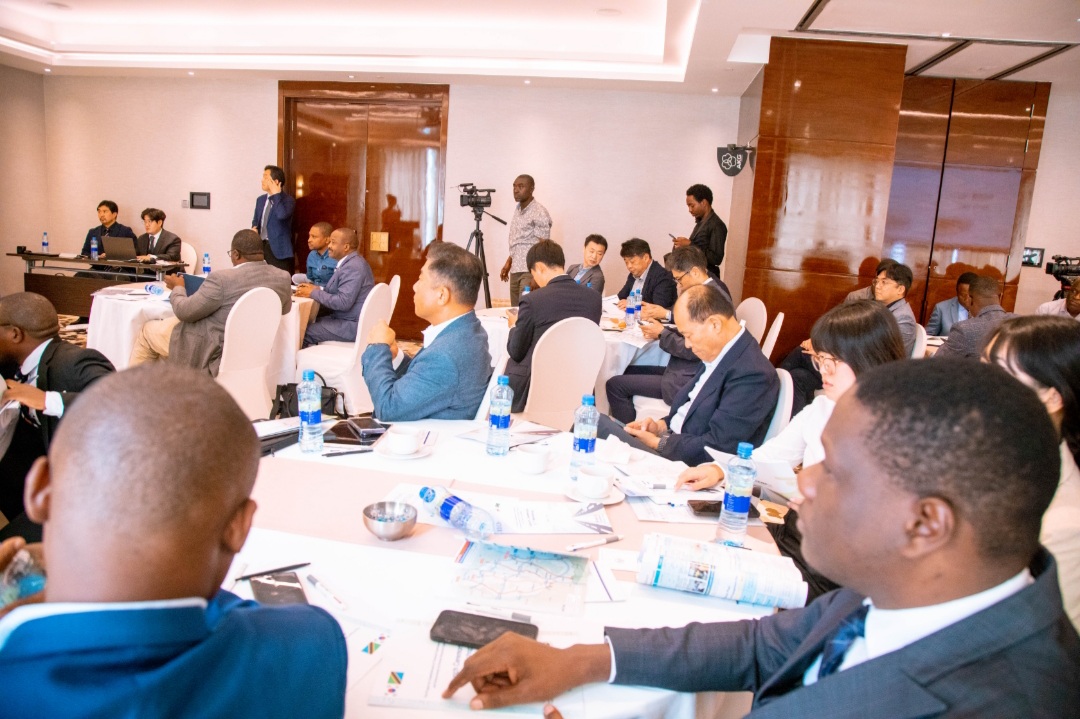
He said that the inaugural workshop provides a platform for stakeholders to share data, identify risks and opportunities, and contribute inputs to strengthen the master plan, emphasising that early stakeholder engagement is vital for ownership and realistic outcomes.
The minister also underscored the importance of investing in people, saying sustainable expressway development depends not only on physical infrastructure but also on skilled professionals and strong institutions.
“The Ministry of Works reaffirms its commitment to capacity building as a cornerstone for the successful delivery and long-term sustainability of the expressway programme,” he said.
He hailed the Tanzania–Korea partnership, describing it as a strong bilateral relationship that extends beyond government-to-government cooperation to include the private sector and people of both countries.
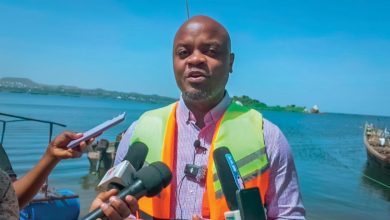
Meanwhile, TANROADS PPP Projects Manager, Engineer Erick Mkumbu, said the Expressway Master Plan would provide a clear, strategic framework for implementing expressway projects based on national priorities and actual development needs.
“As highlighted by the minister, Vision 2050 requires modern and resilient infrastructure. While Tanzania has made notable progress over the past two to three decades in roads, ports and airports, the current level of infrastructure is still insufficient to support our long-term economic ambitions,” Eng Mkumbu said.
He explained that the master plan would also focus on building local expertise, enabling Tanzanians to independently plan, design and deliver expressway projects.
“The preparation of the master plan is expected to take about three years, during which there will be strong emphasis on capacity building. Ultimately, we will have local experts capable of planning, designing and implementing expressways,” he said.
According to Eng Mkumbu, the Expressway Master Plan will serve as a critical foundation for Tanzania’s socio-economic transformation and its aspiration to become a competitive, high-income economy.