Tanzania’s agro-economy sees sky-high growth in a decade
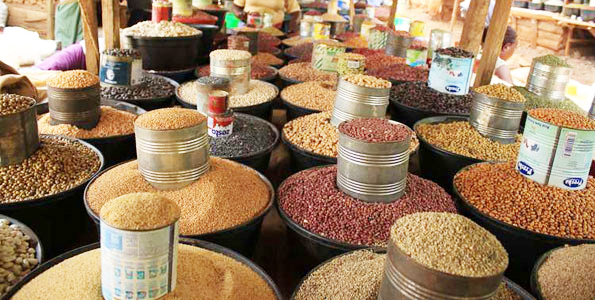
DODOMA: TANZANIA has made significant progress in the agriculture sector, particularly in food production over the past decade, President Samia Suluhu has revealed.
In the 2014/15 financial year, the country produced 16,015,238 tonnes of food crops, achieving a food self-sufficiency level of 125 percent.
By 2024/25, production has risen to 22.8 million tonnes, marking a 33 percent increase and raising food self-sufficiency to 128 percent.
Agricultural trade through formal cooperative systems has also surged. Crop sales increased from 591,268.12 tonnes in 2021 to 2.23 million tonnes in 2025. The value of these sales jumped from 1.1tri/- to 4.2tri/-. Cashew nut production alone grew from 200,000 tonnes in 2014/15 to 528,262 tonnes in 2024/25.
The government’s budget rose from 34.86tri/- in 2021 to 50.29tri/- in 2025, an increase of 8.84 percent.
This budget expansion has enabled improvements in essential services such as the availability of medicines and medical supplies, access to electricity and water in both urban and rural areas, free education, and student loans for higher education.
ALSO READ: Tanzania food production hits 125 percent surplus
Tanzania has also seen solid economic growth. In 2021, the economy grew by 3.9 percent, reaching 5.5% in 2024, well above the African average of 4 percent. According to the International Monetary Fund (IMF), Tanzania’s economy is projected to grow by 6percent in 2024, compared to the global average of 2.3 percent.
During this period, the national gross domestic product (GDP) rose from 156.4tri/ in 2021 to 205.84tri/- in 2024. Per capita income also increased from 2,397,411 in 2020 to 2,938,634 in 2024.
President Samia Suluhu Hassan has taken bold steps to attract investors by eliminating 66 regulations and reducing a total of 383 fees, levies, and fines. As a result, the Tanzania Investment Centre (TIC) registered 2,175 projects worth 25.53bn/-US dollars, expected to generate 650,674 direct jobs for Tanzanians.
In the water sector, the government launched 28 major projects worth 1.3tri/-, benefiting over 5.9 million people. Among them is the Kidunda Dam project, which will hold 190 billion liters of water and is currently 29 percent complete.
Additionally, the government has improved the social security benefits system by increasing the lump sum retirement payment from 33 percent to 40 percent. The minimum monthly pension has also been raised from 100,000 to 150,000, aiming to improve retirees’ livelihoods.