State: Unregistered lenders face legal measures
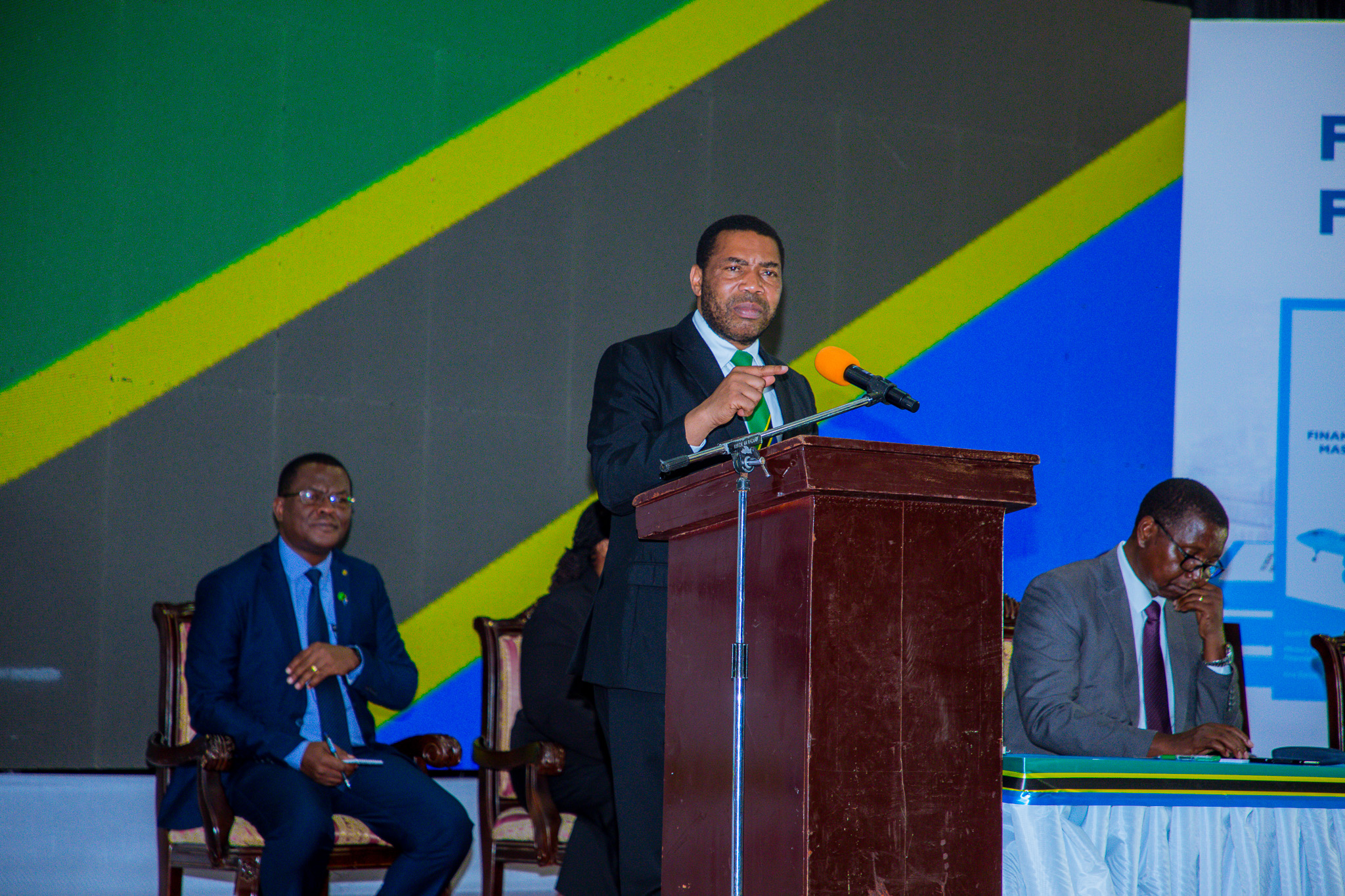
DAR ES SALAAM: MINISTER for Finance, Dr Mwigulu Nchemba has warned that the government will take strict measures against unregistered lending institutions, a move aimed at curbing exploitative lending practices targeting citizens.
His statement comes as part of ongoing efforts to regulate the financial sector and ensure transparency and fairness in the operations of lending institutions.
Recently, the Bank of Tanzania (BoT) had identified 69 unlicensed and unauthorised digital lending platforms and mobile applications operating illegally in the country’s lending market.
The central bank clarified that these platforms had failed to comply with the Guidance Note on Digital Lenders under Tier 2 Microfinance Service Providers, issued by BoT in August 2024.
The BoT urged the public not to engage with these platforms as they are unlicensed and no longer permitted to offer digital lending services.
Speaking at the launch of the two-day Financial Sector Forum 2024 in Dar es Salaam on Tuesday, Dr Nchemba encouraged citizens to only borrow from licensed financial institutions.
He also urged financial sector stakeholders to guide clients in utilising loan funds for productive activities that generate profits.
Dr Nchemba further explained the achievements of the 2018 Microfinance Services Act, which has seen significant growth in the sector, saying as of June 2024, the number of second – tier microfinance service providers increased to 1,951, with 937 Savings and Credit Cooperatives Societies (SACCOS) and 53,448 community-based microfinance groups.
He further noted that the financial sector’s contribution to economic activities and financial inclusion services had reached 12.2 per cent by December 2023.
According to the 2023 Finscope survey, Tanzania has made significant strides in financial inclusion, with 76 per cent of adults now using formal financial services, largely due to the rapid expansion of mobile money services.
The Minister added that the contribution of financial and insurance services to the country’s Gross Domestic Product (GDP) was 4.5 per cent in 2023.
ALSO READ: State gets 323bn/- for power, forest conservation
Moreover, Dr Nchemba urged financial sector stakeholders to thoroughly discuss the achievements and challenges of implementing the financial sector development plan, while providing recommendations to further enhance the sector and meet the plan’s goals.
He also called for public awareness campaigns to inform the public and financial service providers about available financial products and the best ways to utilise these opportunities to strengthen the sector’s contribution to national income and poverty reduction.
On her part, the Permanent Secretary in the Ministry of Finance, Dr Natu Mwamba stressed the critical role of the financial sector in driving the country’s economic growth and reducing poverty.
She outlined the sector’s responsibilities, including providing market information on investments and capital, enabling businesses, managing risks, promoting savings, and facilitating trade.
Dr Mwamba added that the financial sector is divided into five sub-sectors including banking, insurance, social security, microfinance, and capital markets. She noted that the government recognises the importance of the financial sector to the economy and has been taking various policy and legal actions to improve its performance and efficiency.
These actions include the development of the Financial Sector Development Master Plan (2020/2021-2029/2030), which aims to enhance financial inclusion, secure longterm capital, protect financial service users and strengthen the stability of the financial sector.
She said the plan also builds the capacity of stakeholders, improve regional and international cooperation, all while ensuring compliance with anti-money laundering regulations and creating an enabling legal and regulatory environment.