SADC touts solidarity to address security challenges

THE Chairperson of the SADC Organ on Politics, Defence and Security Cooperation, who is the President of Zambia, Mr Hakainde Hichilema has called on member states to recognise the importance of working together to address the security challenges facing Cabo Delgado province in Mozambique and the eastern part of the Democratic Republic of Congo.
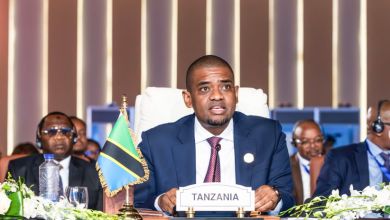
In his opening remarks at the SADC Organ Troika meeting in Lusaka, Zambia in which Tanzania was represented by Vice-President Dr Philipo Mpango on behalf of President Samia Suluhu Hassan, Mr Hichilema said lack of peace and security in the areas affects the regional bloc in attaining economic and social development, because the resources are being used to restore peace in the areas.
He called for continued joint efforts including involving friendly international communities such as the United Nations and the African Union to resolve the situation.
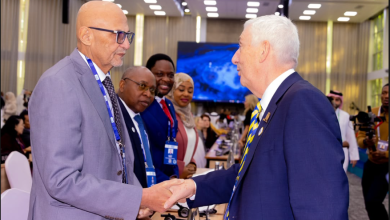
The meeting was attended by President of Zambia, Mr Hichilema, President of DR Congo Mr Felix Tshisekedi of DRC, President of Zimbabwe, Mr Emmerson Mnangagwa, President of Malawi, Dr Lazarus Chakwera , President of Angola Mr João Lourenço, President of Mozambique Mr Filipe Nyusi, Vice-President of Namibia, Ms Netumbo NandiNdaitwah and Prime Minister of Lesotho Sam Matekane .
Information released by the Government Communication Unit in the Ministry of Foreign Affairs and East African Cooperation on Wednesday stated that the meeting would , among other things, focus on security issues in SADC countries, particularly in Cabo Delgado State in Mozambique and the Eastern Democratic Republic of Congo (DRC).
According to the statement, the meeting to be held was preceded by preparatory meetings at the expert level that started on March 17th and was concluded with the meeting of foreign affairs ministers and permanent secretaries. Minister for Foreign Affairs and East African Cooperation, January Makamba joined his fellow ministers from other countries at the crucial meeting.

Tanzania fully participated in all levels of the meeting for the welfare of the bloc. “Tanzania, as a member of SADC and as one of the countries contributing to the peacekeeping forces in Mozambique and DRC, participated fully in all levels of the conference,” the statement issued on Wednesday in part.
Mozambique government has been fighting insurgency in Cabo Delgado province, with latest news stating that counterinsurgency efforts significantly yielded positive results. Some experts now say that continuous operations by the Mozambique Defence Armed Forces (FADM), Southern African Development Community (SAMIM) and troops from Rwanda have significantly reduced terrorist attacks.
Mozambican army said during a mid-December press conference that security was re-established in about 90 per cent of Cabo Delgado districts affected by terrorism. Authorities also say that nearly 1 million people displaced by violence in the province have returned to their homes. However, experts in peace and security matters warned that fewer attacks did not mean the insurgency was over.
According to a 2023 United Nations Security Council report, the number of IS fighters in Mozambique decreased from a peak of 2,500 — before SAMIM and Rwandan forces arrived — to about 280. Last month, SADC confirmed that it had started contributing contingents to its mission in response to the resurgence of attacks by the March 23 Movement (M23) in the eastern region of Democratic Republic of Congo (DRC).
South Africa, Malawi and Tanzania are the regional countries that had begun deploying military contingents to the DRC before Burundi army later joined the force that is coordinated by South Africa’s army. Burundi is not a member of SADC but is part of the East Africa Community and its troops were deployed in Eastern DRC under the East African Community Regional Forces before they were withdrawn in December last year.
It was the duty of SADC member states to contribute contingents to the DRC, as was the case in Mozambique, in accordance with a decision by SADC heads of state and government.
The action stems from the member countries’ concerns about the worsening humanitarian situation in the Eastern DRC following the resurgence of attacks by the M23, which violated the existing cease-fire.