Overfishing in Victoria, Tanganyika cuts fish trade
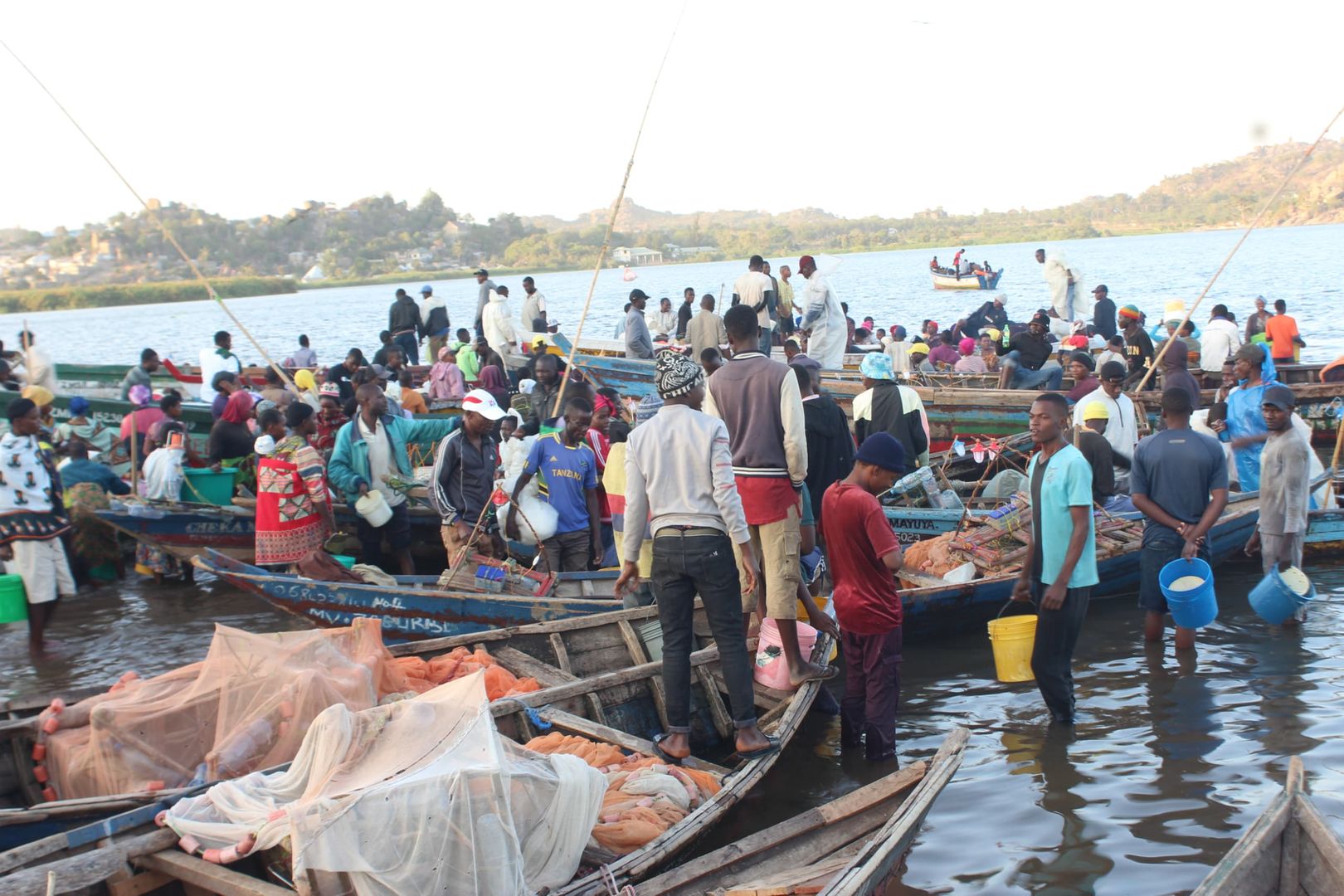
MWANZA: PERSISTENT overfishing in Lake Victoria and Lake Tanganyika led to a 9.1 per cent decrease in the volume of fish traded, resulting in a decline in the quantity of fish sold in registered markets.
Relentless overfishing depletes fish stocks faster than they can naturally replenish, leading to a reduced volume of fish available for trade.
According to the Bank of Tanzania (BoT) Consolidated Zonal Economic Performance report, the volume of fish harvested decreased to 96,538.2 tonnes in 2023/24, down from 106,154.9 tonnes in the 2022/23.
“Moreover,” the report said, “the effects of wind in Lake Tanganyika also negatively affected fishing in Southern Highlands Zone.”
The volume of fish catches in the Southern Highlands Zone declined to 13,083.0 tonnes compared to 14,413.4 tonnes in the preceding year, equivalent to negative 9.2 per cent.
The volume of fish in the Southern Highlands Zone increased to 26,230.3 tonnes in the year under review from 26,049.8 tonnes in the previous year, equivalent to 0.7 per cent rise.
ALSO READ: Fishing cooperative society in Lake Victoria gets 117m/- boost
The quantity of fish in the Dar es Salaam Zone was 23,696.8 tonnes in the 2023/24, a decline from 25,136.7 tonnes in the preceding period, equivalent to negative 5.7 per cent.
The volume of fish catches in the Lake Zones decreased to 22,344.1 tonnes in the period under review, compared to 27,548.6 tonnes, representing negative 18.9 per cent.
The number of fish harvested in the Northern Zone fell to 10,649.7 tonnes in the reference period compared to 12,463.2 tonnes in the year before, equivalent to negative 14.6 per cent. Lake Zone accounted for the largest share of total value of fish sold, followed by Dar es Salaam and South Eastern zones.
Consequently, the government imposed a three-month fishing ban in Lake Tanganyika effective from May to August this year to allow for fish reproduction.