NEVER AGAIN: Social media must build, not break the nation
DAR ES SALAAM: PEACE has long been one of Tanzania’s most cherished national pillars that quietly sustains livelihoods, attracts investment and holds together a diverse society.
Yet in a brief and unsettling moment, that foundation was tested when unrest erupted during the election period in late 2025, bringing daily life to a sudden halt. Roads emptied, businesses shut their doors and thousands of citizens who depend on daily income found themselves unable to provide even the most basic necessities for their families.
The unrest served as a sobering reminder that peace is neither accidental nor guaranteed. What unfolded went beyond sporadic disturbances, exposing the destructive power of misinformation, political intolerance and the irresponsible use of social media .
Livelihoods were disrupted, emotional scars were left behind, and Tanzania’s hard-earned image as a stable and peaceful nation came under strain.
As the country reflects on those events, a unified voice has emerged from political analysts, academics and ordinary citizens, the breakdown of peace carries a cost far greater than any political disagreement. The lesson is clear that sustaining national harmony demands collective responsibility, respectful dialogue and restraint from all Tanzanians, so that such unrest is never repeated.
Political analyst Mr Merdad Wilfred said that citizens must develop a higher level of awareness and critical thinking, particularly in an era dominated by social media. He warned that many people uncritically consume and share misleading information, often designed to incite chaos and violence.
ALSO READ: Tanzania lures its citizens to apply for small-scale mining licenses
“Citizens should stop blindly following everything posted on social media, especially content aimed at provoking un rest. There must be greater understanding of national issues and the intentions behind online narratives,” Mr Wilfred said.
He added that relevant authorities should establish an effective communication model to educate the public on the responsible use of social media.
According to him, digital platforms should be used to promote national unity, economic development and to positively brand Tanzania internationally, rather than tarnishing its image.
Mr Wilfred further stressed that young people particularly students in higher learning institutions and members of political platforms should be empowered to actively participate in peace-building campaigns. He described youth as one of the most influential groups in society, capable of shaping opinions not only among peers but also within families.
“Young people have the power to influence even their parents on matters of national development and peace. That influence must be directed towards unity, not division,” he noted.
The analyst also underscored the importance of maintaining civility during political debates, arguing that ideological differences between political parties should never escalate into violence or hate speech.
He said political differences must never outweigh national unity, social media must never become a weapon of destruction and violence must never be normalised. Peace is the country’s greatest asset and protecting it is the responsibility of every Tanzanian.
“Political disagreements are normal in a democratic society. However, they must be expressed without resorting to inflammatory language that divides citizens or damages the country’s image abroad,” he said.
Mr Wilfred cautioned that when citizens use social media to portray their own country negatively, they should remember that they are ultimately harming themselves.
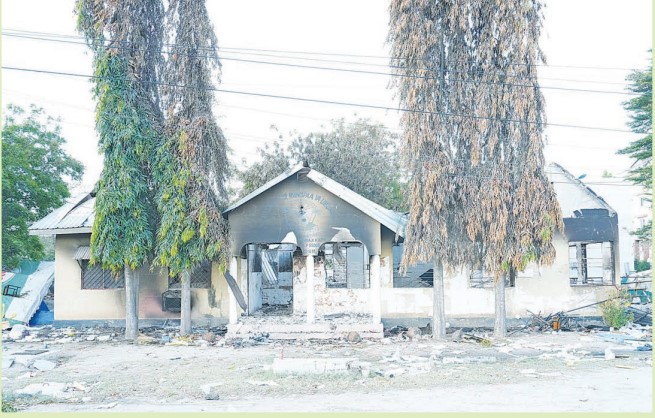
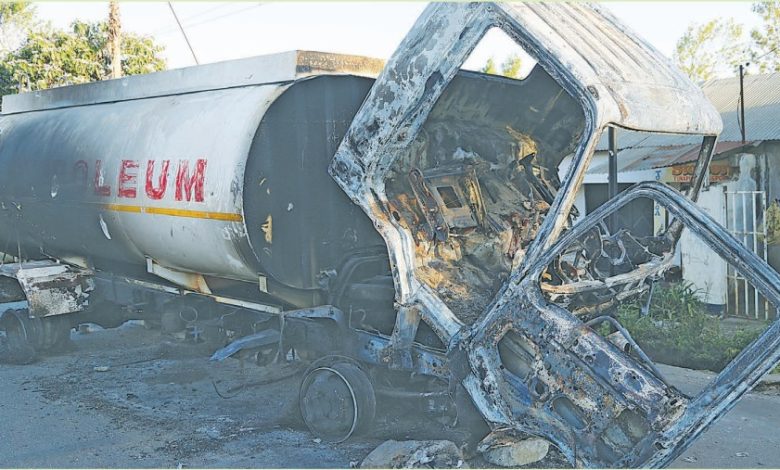
Dar es Salaam, during the unrest on October 29, 2025.
“A Tanzanian who writes negative content to destroy the image of their own country should remember that they will continue living here. Any negative consequences will affect them directly. It is far better to use social media to promote our nation than to destroy it,” he said.
He further warned that peace disruptions inevitably weaken the economy, as production activities stall and citizens are pushed into hardship, causing the nation to slide backwards economically.
Echoing similar sentiments, political analyst Mr Yonah Mapury said that citizens must refrain from actions that undermine national peace, noting that instability carries serious consequences both domestically and internationally.
“Disturbing peace has serious consequences for Tanzania at both national and international levels, eroding the country’s reputation as an island of peace,” Mr Mapury said.
He urged Tanzanians to preserve the country’s long-standing reputation for harmony and unity so that economic activities can continue uninterrupted, benefiting both citizens and the nation at large. Mr Mapury also called for reconciliation, forgiveness and respect for guidance provided by relevant authorities.
He warned against copying practices from countries plagued by conflict, where citizens often end up living in poverty or becoming refugees in foreign lands.
“Tanzania must continue moving forward, not imitate unstable countries whose people suffer endlessly,” he said.
ALSO READ: Feeding the Islands: Why Zanzibar is struggling to grow enough rice
Providing an academic perspective, Mr Innocent Shoo, a lecturer at the Dr Salim Ahmed Salim Centre for Foreign Relations (CFR) said the violence of October 29, 2025 carried serious diplomatic, political and social implications.
“Such incidents damage a country’s international image, especially among development partners, investors and regional organisations. Stability is closely associated with credibility and trustworthiness,” Mr Shoo explained.
He noted that episodes of violence often prompt concern from foreign missions and multilateral institutions, sometimes leading to calls for investigations, restraint and increased scrutiny of governance, human rights and the rule of law.
“Repeated unrest weakens a country’s soft power and moral authority in regional diplomacy. It can complicate negotiations related to aid, investment and leadership roles within regional and international institutions,” he added.
According to Mr Shoo, the key lesson for citizens is that violence ultimately undermines national interests and harms ordinary people the most, regardless of political motivations.
“Grievances should be addressed through lawful, peaceful and institutional channels. Citizens must reject provocation, hate speech and misinformation that escalate tensions,” he added.
He emphasised that sustaining peace requires political tolerance, dialogue, civic responsibility and respect for democratic processes particularly during emotionally charged political periods.
“Preventing a recurrence depends on collective accountability. Citizens, political leaders, security institutions, the media and civil society must all play their roles to ensure disagreements do not degenerate into instability,” Mr Shoo noted.
Beyond expert analysis, the human cost of the unrest is best captured through the experiences of ordinary citizens whose lives were abruptly disrupted.
Ms Mispina Lugata, a resident of Kwa Mkuwa in Ubungo, Dar es Salaam said the unrest severely affected her livelihood due to movement restrictions. She depends on providing cleaning services in people’s homes to earn daily income.
“The election period was extremely difficult for me. The little money I had only lasted two days. I had no food, many places were closed and prices of basic goods went up. I felt completely overwhelmed, together with my child,” she said.
She said the situation occurred unexpectedly and affected her both psychologically and economically. “Normally, I work in three or four households a day, doing laundry and general cleaning,” she said.
“The small payments help me survive and contribute to a savings group. But I went almost a whole month without work and had to borrow money to survive.” Ms Lugata expressed hope that Tanzania would never again experience such violence, urging citizens to remain calm and respect the law.
“Low-income earners suffer the most when peace is disrupted,” she said.
For Mr Kayuni Masamaki, a bodaboda rider in Dar es Salaam, peace is the foundation of both personal and national development. He said the October 29 events deeply affected him, as his work depends on freely transporting passengers.
“Some customers called me asking for transport and were even willing to pay higher fares. But with what was happening outside, I did not have the courage to go out. I also had no fuel for the motorcycle,” he said.
Reflecting on the experience, he said past events should serve as lessons for all Tanzanians, especially young people.
“We must protect peace at all costs and avoid being driven by mob psychology,” he urged.
Another Dar es Salaam resident, Ms Adriana Bishubo, a tailor, said she was completely unprepared for the violence. As a result, her business came to a halt throughout the unrest and movement restrictions.
“I am used to going to my shop every day to sew clothes, sometimes returning home late at night. But everything stopped during that period,” she said.
ALSO READ: Tanzania’s youth and digital economy: Rethinking social media’s role
She expressed hope that similar incidents would not recur and called on the government to listen to citizens’ concerns early, before frustrations escalate into violence.
“Addressing grievances in time can prevent the breakdown of peace,” she said.
A resident of the Coastal Region, Mr Athuman Maluchila, a motor vehicle mechanic said the unrest that occurred on October 29, last year placed him and his family in a very difficult situation due to the nature of his work, which depends on daily income.
“I normally go to my garage every day to work and earn money to provide food and other basic needs for my family. However, the unrest prevented me from going out to look for work, forcing my family to spend an entire day without food and to rely on assistance from neighbours, even if it was just one meal,” he said.
Mr Maluchila expressed hope that such an incident would never happen again in the country, noting that it poses serious risks to citizens, including suffering and setbacks to development.