Modern farming tech in Singida to benefit 25,000 farmers
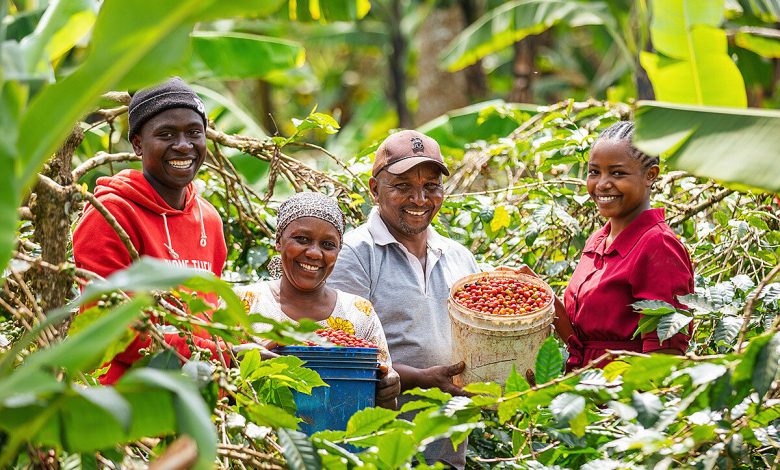
DODOMA: MORE than 25,000 farmers in Singida Region are set to benefit from training in modern agricultural practices this year, as part of a broader initiative aimed at boosting crop productivity and transforming agriculture into a pathway for economic empowerment.
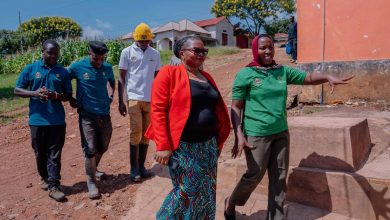
This was revealed by Project Coordinator of the Farm to Market Alliance under the nongovernmental organisation Farm Africa Tanzania, Mr Thomas Mbaga during a one-day training session held for farmers, lead farmers, service providers and agricultural extension officers from the Iramba, Mkalama and Singida districts.
According to Mr Mbaga, the training is tailored to equip farmers with knowledge of best farming practices, increase their efficiency and connect them with providers of quality agricultural services and inputs such as improved seeds, fertilisers, pesticides and soil testing.
ALSO READ: NLD pledges stable markets, subsidies for Manyara pigeon pea farmers
“We have brought together farmers, lead farmers and extension officers to train and guide them on delivering quality services to the farmers they support. This will ensure we start the new farming season on the right footing. It also allows us to reach more farmers indirectly, beyond those we work with directly,” he said.
He added that because the training is conducted at the village level, it is expected to yield tangible results, particularly in increasing both the yield and quality of crops. He expressed optimism that many more farmers will benefit from the Farm to Market Alliance project by producing higher-value crops in the right quantities and securing better market returns.
The project’s Monitoring, Evaluation and Learning Officer, Godwin Lema said his goal is to see significant improvements in land preparation and crop production, especially for priority crops in the region, including sunflower, maize and paddy.
An agricultural expert with Farm Africa Tanzania, Edwin Shio said it is important to involve agro-input dealers and agricultural specialists in the training sessions to strengthen their ability to deliver timely and reliable services to farmers.
“This support helps farmers transition from subsistence to commercial farming, allowing them to increase production and improve their livelihoods,” he noted.