Kagera sets senene for certified market
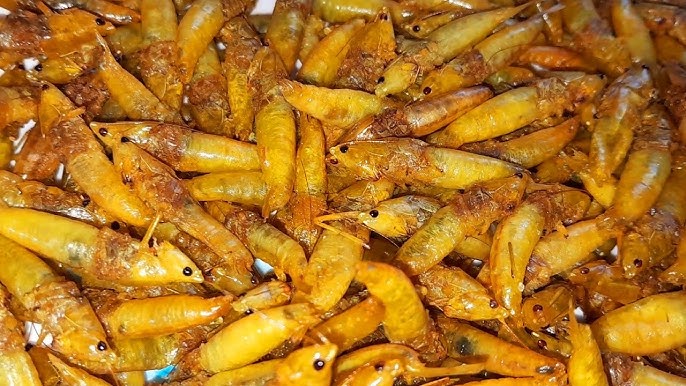
DODOMA: KAGERA Region has adopted modern technologies in harvesting and processing the East African longhorn grasshopper, Ruspolia differens, locally known as senene in a bold move to boosting productivity, enhancing food safety and tapping into both national and international markets.
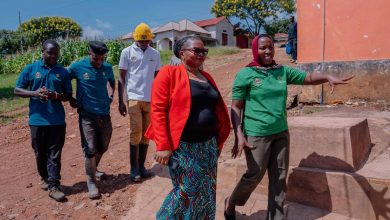
Addressing journalists in Dodoma on Tuesday, Kagera Regional Commissioner, Fatma Mwassa, said the regional administration has decided to employ technology to boost the business among Kagera region residents.
She noted that the regional administration has invested heavily in modernising senene catching and processing through research and innovation, departing from the traditional method of using corrugated iron sheets for trapping the edible insects.
“We have conducted thorough research and developed modern trapping machines to replace the old ways of using metal sheets and smoke-drying. The senene business is growing and production is increasing steadily,” she said.
According to Ms Mwassa, significant investment has been channelled into the sector, with some private investors committing over 400m/- in senene trapping and production technologies.
ALSO READ: Farmers earn 2.9tri/- through warehouse receipt system
“One of the key steps we took was to sensitise the community, because for a long time many believed that senene trapped with iron sheets and smoke-dried had the best taste. It took time and effort to convince people that modern trapping methods are effective and can yield equally good if not better results,” she added.
The RC further explained that pilot trials on the modern traps have been promising, with the machines performing well. The initiative is being implemented in collaboration with research institutions and local stakeholders.
“In Bukoba Municipality, we are constructing a special centre where women engaged in senene trade will be processing, packaging and branding the product. This will eliminate the current concerns from consumers who are unsure about where and how the senene were being fried or dried,” she said.
Ms Mwassa stressed that the region aims to have senene processing and packaging done in certified environments, enabling the Tanzania Bureau of Standards (TBS) to approve the products for sale in both local and export markets.
“We want them to be cleaned, sorted and packaged in one trusted location. Once certified by TBS, they will meet both national and international standards,” she affirmed.
Senene has long been valued in Tanzania, particularly in the Lake Zone, not only for its rich taste but also for its high nutritional value.
It is packed with protein, unsaturated fats, vitamins and essential minerals making it a key candidate in food security and rural economic empowerment strategies.
As interest in edible insects continues to rise globally, Kagera’s move to modernise senene production may well place Tanzania at the forefront of sustainable, commercially viable insect farming.