

High hopes for new budget
- Anticipation builds for citizen-centred plan
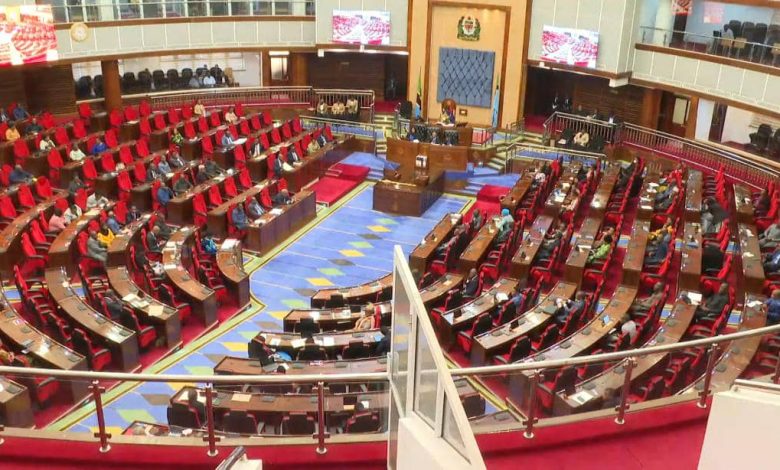
DODOMA: TANZANIANS expect a forward looking plan that promotes inclusive growth, economic stability and increased investment in sectors that directly impact citizens’ lives in 2025/26 budget.
Members of Parliament and economic experts alike believe the 2025/26 budget to be tabled in the National Assembly today, will build on the achievements of the 2024/25, which focused heavily on infrastructure development.
With many strategic projects nearing completion, the upcoming budget pegged at 57tri/-, is expected to shift resources toward empowering citizens through improved services in agriculture, health, education and energy.
Public Expectations and Expert Analysis Dr Hildebrand Shayo, economist-cum-investment banker, said that after an increase from 44.4tri/- in 2023/24 to 50. 29tri/- in 2024/25, the public is looking for “a bigger, more investment-focused budget” that supports service delivery and boosts priority sectors such as agriculture, energy and digital infrastructure.
“These sectors drive job creation and foreign exchange earnings,” he said, adding that access to fee-free education and healthcare remains high on the public’s priority list. Despite positive growth projections, he noted that fiscal space remains tight, citing World Bank concerns about narrowing deficits and inflation control.
ALSO READ: MINISTRY OF FINANCE 2025/2026: BUDGET: Government sets fiscal pace
Dr Shayo said the need for sustainable borrowing, striking a balance between development and long-term debt risk. He anticipates the budget will align with the National Development Vision 2050 and the Third Five-Year Development Plan (FYDP III), featuring major allocations to infrastructure, agriculture and energy, as well as continued funding for education and healthcare.
“We also expect tax reforms, digital transformation nitiatives and expanded public-private partnerships (PPPs),” he said.
Dr Shayo projected a budget deficit of around 2.7 per cent of GDP, with concessional borrowing playing a key role in financing development. He underscored the importance of reducing aid dependency through privatesector-led growth. MPs: Budget Reflects Citizen Needs Iringa Urban MP Jesca Msambatavangu (CCM) said sectoral allocations show the government intends to address citizens’ expectations.
“The upcoming budget appears to reflect the people’s priorities, with emphasis on agriculture, livestock, health and education,” she said, adding that increased investment in these areas directly empowers citizens. Kibamba MP Issa Mtemvu (CCM) expressed hope that sufficient funds will be allocated for completing infrastructure projects in Dar es Salaam, particularly roads.
“With most strategic projects nearly done, we now expect resources to shift toward improving livelihoods,” he said. Special Seats MP Ritta Kabati (CCM) highlighted the potential for transformation in agriculture and industrial development. “The direction set in sectoral budgets indicates a strong focus on these areas,” she said.
Mufindi North MP Exaud Kigahe (CCM) said the new budget is expected to build on current gains.
“The 2024/25 budget prioritised infrastructure. Now we look forward to more investment in economic participation and citizen empowerment,” he said. Private Sector and Financial Inclusion Managing Director of PAM Financials and Investments, Paul Maganga expects increased credit access and investment support.
“We anticipate more loans to community-based groups and SMEs compared to last year,” he said.
He believes stable global conditions will improve the government’s borrowing capacity, allowing for more affordable financing of development projects and power distribution.
ALSO READ: 1.6TRI/- HEALTH BUDGET: Path to cutting-edge services
Mr Maganga also expects the economic impact of major infrastructure, such as the Kigongo–Busisi Bridge, to be showcased in the budget.
“This corridor can boost trade with neighbouring countries and increase revenues,” he said.
He predicted growth in foreign reserves beyond the current 5.2 billion US dollars, surpassing the four-month import cover and estimated that domestic revenue could exceed 15.8 per cent of GDP, with tax revenue over 12.9 per cent. Voices from the Grassroots Chairman of Gendi Agricultural Markets Cooperative Society in Babati, Manyara Region Mr Julian Kambaitha, urged the government to expand aaccess to profitable markets.


973711 481055Man you legend. return see my internet site, you should get pleasure from it. 279771