

Govt sets 30pc procurement quota for groups
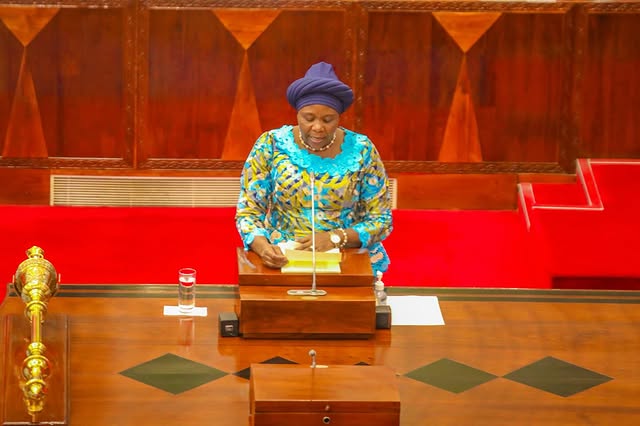
ARUSHA: PROCUREMENT agencies have been directed to allocate 30 per cent of their annual procurement budgets to indigenous companies and special groups to promote inclusive economic growth.
This move ensures that tenders are awarded to local businesses, youth, women, persons with disabilities and the elderly. Additionally, all local councils have been instructed to establish special groups representing these communities.
These groups will be registered on the National eProcurement System (NeST) to participate in government tenders, increasing their access to public contracts.
This directive was announced on Monday in Arusha by Minister for Community Development, Gender, Women and Special Groups, Dr Dorothy Gwajima.
Speaking on behalf of the Minister for Finance, Dr Mwigulu Nchemba, at the opening of the 9th Public Procurement Conference 2025, the conference was themed: “Digital Public Procurement for Sustainable Development, Company Development and Special Groups for Inclusive Economic Growth.” Dr Gwajima emphasised that dedicating a portion of procurement opportunities to indigenous people and special groups, such as women and youth, will stimulate growth in the procurement sector.
ALSO READ: PPRA reminds LGAs to capitalize on e-procurement
She also stressed the importance of effective management of development projects to maximise benefits. Highlighting the public procurement sector’s role, she stated it accounts for over 70 per cent of the government budget dedicated to building the national economy.
She praised the NeST system for enhancing transparency, governance and efficiency, while also helping to combat corruption and reduce waste.
Dr Gwajima also pointed out that the e-procurement system has addressed challenges related to accessing tenders by simplifying procedures and reducing paperwork, which has the added benefit of protecting the environment.
The Public Procurement Regulatory Authority (PPRA) Director General, Dennis Simba, said the conference has attracted over 1,500 participants. He reported that 38,163 bidders are registered on the NeST system, including 36,377 local and 1,786 foreign bidders.
According to Mr Simba, 61,415 procurement entities are registered on NeST, comprising central and subnational government institutions. Of these, 1,701 are central and sub-central government agencies actively using the platform. For the financial year 2024/25, up to June 2025, a total of 20,954 procurement entities published procurement plans valued at more than 30tr/-. During this period, 258,787 tenders were advertised, with 140,494 awarded contracts worth 8.6tr/-.
Also, 1,701 procurement entities along with 59,714 schools and health centres have adopted the system. Mr Simba revealed that a PPRA study showed the NeST system helped reduce carbon emissions by 617.85 metric tonnes in 2023/24. This reduction resulted from cutting down on paper use, equivalent to taking 144 diesel vehicles off the roads each month.
Since the system’s launch, 578 special groups have registered and actively participate in the NeST platform. They have secured 501 awards totalling 16.1 billion shillings, demonstrating the platform’s success in empowering marginalised groups.
“Prioritising special groups in tender opportunities across institutions and councils is essential for building an inclusive economy,” Mr Simba urged.
Meanwhile, Permanent Secretary at the Ministry of Finance Dr Natu Mwamba, stated that 500 groups have been registered and instructed to apply for tenders via the NeST system.
He called on institutions to enforce the 30 per cent quota so that special groups can benefit from public procurement, reduce dependency on external aid and foster inclusive growth.
This initiative reflects the government’s commitment to using procurement as a tool for equitable economic development, ensuring that indigenous companies and vulnerable groups actively participate in national growth.



373797 128601Maintain websiteing stuff like this I in fact am fond of it 461326