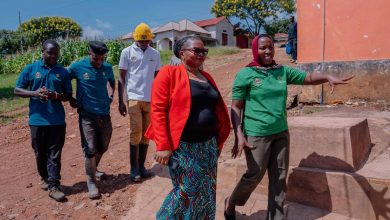
Govt, partners push clean cooking drive

DAR ES SALAAM: THE government in collaboration with various institutions, is intensifying efforts to promote the use of clean and safe energy nationwide, a move that focuses on building a healthier and more sustainable future for all Tanzanians.
Deputy Permanent Secretary in the Vice-President’s Office (Environment), Professor Peter Msoffe said on Thursday during the official launch of a new clean cooking initiative at Kibasila Primary School in Dar es Salaam that the government is committed to protecting the environment through the national Clean Cooking Strategy 2024- 2034.
He said the strategy aims to change 80 per cent of the population from traditional biomass fuels such as firewood and charcoal by 2034.
“The pilot project at Kibasila in Dar es Salaam is part of the broader initiative to accelerate the shift to clean cooking in schools,” he explained.
The initiative is spearheaded by Sustainable Energy for All (SEforALL) and the World Food Programme (WFP), with funding from UKAID’s Modern Energy Cooking Services (MECS) programme. It targets 50 government primary schools in Dodoma, Kigoma, Tabora and Dar es Salaam.
ALSO READ: Govt calls on private sector to boost clean cooking energy
Professor Msoffe highlighted the critical health benefits of the programme, particularly for women and children, who are most exposed to indoor air pollution caused by traditional cooking methods.
“Switching to electric cooking dramatically reduces exposure to harmful smoke, which is linked to respiratory illnesses and contributes to over 3.2 million premature deaths globally each year,” he noted.
The programme also enhances education outcomes. At Kibasila Primary School, where over 640 students benefit from the pilot, meals are now prepared consistently and on time using electric pressure cookers (EPCs).
Previously, rainy weather often delayed meals due to wet firewood, resulting in incomplete or smoke contaminated food.
On his part, WFP Country Director Ronald Tran Ba Huy said Tanzania has over 11 million primary school students, insisting that clean cooking is essential not only for health and education but also for environmental sustainability.
ALSO READ: REA provides clean cooking energy to Geita prisons
He added that globally, over 480 million children benefit from school meal programmes, and that shifting to clean energy can significantly improve nutrition and attendance.
“Schools are the second largest consumers of biomass fuel after households. Transitioning to EPCs reduces carbon emissions, slows deforestation, and eases the burden on school cooks, the majority of whom are women,” he added.