Govt heightens efforts to improve primary healthcare

DODOMA: THE government has heightened efforts to improve the country’s Primary Health Care (PHC) as a way to help attain the much-needed Universal Health Coverage (UHC).
Among other efforts, the government has rigorously continued to invest heavily in the health sector infrastructure.
Deputy Prime Minister and Minister for Energy, Dr Doto Biteko said from 2017 to January 2024, the government has injected 937.2bn/- for uplifting key infrastructures in various health centres and 364.7bn/- for purchase of medical equipment across the country.
Dr Biteko gave the government commitment when officiating the 1st International Primary Health Care Conference 2024 (IPHC 2024) in Dodoma, saying the initiatives are underway to mplement UHC in order to improve the sector, which currently provides healthcare services to over 74 per cent of the patients across the country.
“The government will dedicate more funds to elevate availability of medicines and key medical facilities at the country’s primary health sector, for instance, the sixth phase government has so far spent a total of 52bn/- to purchase at least 528 vehicles that are currently serving patients at various medical facilities”, he expressed.
He said the government will continue sourcing and injecting more funds to capacitate delivering capacity of the country’s primary health care.
The conference was held under the theme ‘Primary health care as a vehicle for the journey to achieve universal health coverage (UHC)’.
During the event, Dr Biteko also launched the M-Mama free toll 115 in which, he commended Vodacom for joining government efforts in emergency service health delivery and said there was no shortcut to attain universal health coverage without strengthening and improving primary health care services.
Dr Biteko who represented President Dr Samia Suluhu Hassan said the government has been setting aside 200bn/- every financial year from 2021/22, ultimate goals being to improve medical facilities at primary health care.
He said 80 per cent of the public access their services from the primary health care. He said the world was currently witnessing major changes in the environment and technological, as well as economic melting down, all propelling the prevalence of various diseases, hence the need to further strengthen the country’s health systems.
As the government works around the clock to address shortage of health workers, he underlined the need for Ministry of Health to ensure the health workers who deliver good services are appreciated and rewarded to boost their morale.
He insisted that the government will not hesitate to institute punitive measure against the few health workers who are violating their professional codes of ethics.
In his welcoming remarks, Deputy Minister of State in the President’s Office, Regional Administration and Local Government, Dr Festo Dugange said there are 6,933 healthcare centres in the country offering services through the primary health sector.
During last year, he said over 26.9 million patients across the country were dispensed through the various healthcare centres, signalling the importance of the sector in the country’s health service delivery.
On his part Deputy Minister for Health, Dr Godwin Mollel hailed President Samia for dishing out enough money for elevating infrastructures, facilities and service delivery from across the country.
Despite such impressive excellence in the sector, Dr Mollel called for more financing to further improve primary healthcare services, saying at least 74 per cent of the local population are receiving their daily medical services and treatments through the primary health sector.
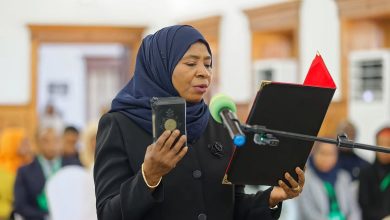
United Nations International Children’s Emergency Fund (UNICEF), country representative, Elke Wisch, said the conference theme furthers the commitment to achieving the Sustainable Development Goals and under the Convention on the Rights of the Child to ensure that every child, everywhere, has access to the health care they need.
“It is critical, now more than ever, to further accelerate our efforts to deliver quality primary health care, in communities and health facilities to ensure that we reach the population, especially the most vulnerable – with integrated health services regardless of who they are and where they live” she insisted.
She urges to focus on strengthening primary health care that promotes equitable service delivery, reduces missed opportunities, and ensures no one is left behind.
To achieve this, our common efforts are needed to minimise fragmentation in policies, guidelines, and financing.
“We, development partners in the health sector are happy and satisfied with the manner to which the government of Tanzanian has continued to strengthen its health systems and policies, as well as seeking ways for ensuring sustainable financing in the health sector, with focus being dedicated to primary healthcare, ” she said.