Govt: Biotech key driver of development
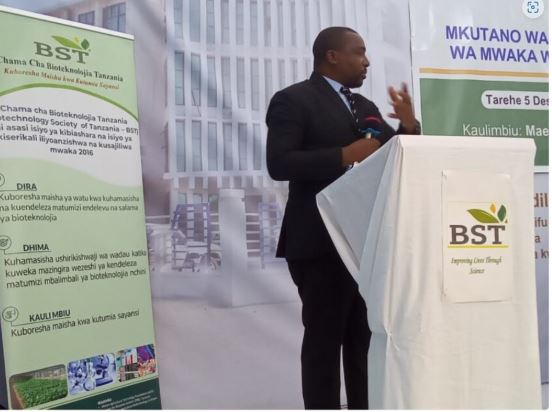
DAR ES SALAAM: TANZANIA stands to gain immensely from biotechnology, as it offers the potential to boost productivity and stimulate growth across various sectors, ultimately enhancing the overall quality of life for its citizens.
The Dar es Salaam Regional Administrative Secretary, Dr Toba Nguvila, highlighted this potential during the Tanzania Biotechnology Society (BST) Annual General Meeting in Dar es Salaam, recently.
“Countries investing in modern biotechnology have reaped substantial benefits across various economic sectors and community services,” he said on behalf of the Permanent Secretary in the VicePresident’s Office, Mr Cyprian Luhemeja.
He said despite the undeniable potential of biotechnology, some stakeholders, particularly in the agricultural sector, remain skeptical or opposed to its use.
He attributed this resistance to a limited understanding of the technology, even among politicians, government officials, experts and the public.
However, he reassured that the government is actively addressing these concerns through a comprehensive system to ensure the safe application of modern biotechnology.
Dr Nguvila said the establishment of the National Biosafety Framework in 2007, designed to regulate the safe use of biotechnology.
This framework encompasses policies, laws, regulations, and strategies for implementation.
ALSO READ: State: Unregistered lenders face legal measures
Additionally, he pointed to the 2021 National Environmental Policy, which ensures the safe use of biotechnology without compromising human health, animals, the environment, or the economy.
Dr Nguvila said that any biotechnology-derived products will be approved only after rigorous assessments confirm their safety.
BST Chairman, Prof Peter Msolla reinforced the growing global momentum behind biotechnology, citing its significant benefits across agriculture, livestock, industry and health.
He noted the success of biotechnology-based products, such as biological pesticides targeting mosquito larvae and crop pests, as well as innovations in converting agricultural and industrial waste into fertiliser and gas.
Prof Msolla stressed that, as the world embraces biotechnology, Tanzania must adapt and harness its potential to address current challenges, boost productivity and improve the quality of life for its citizens.