Eight honey factories to sweeten economy

DODOMA: PRIME Minister Kassim Majaliwa has said that the government is implementing a grand project for the construction of eight major factories for processing honey and other products from the bee sector.
The Premier made the revelation here during celebrations to mark the World Bee Day which was attended by hundreds of Tanzanians from across the country. Tanzania joined the global community in celebrating World Bee Day, with a national event held at Chinangali Park in Dodoma.
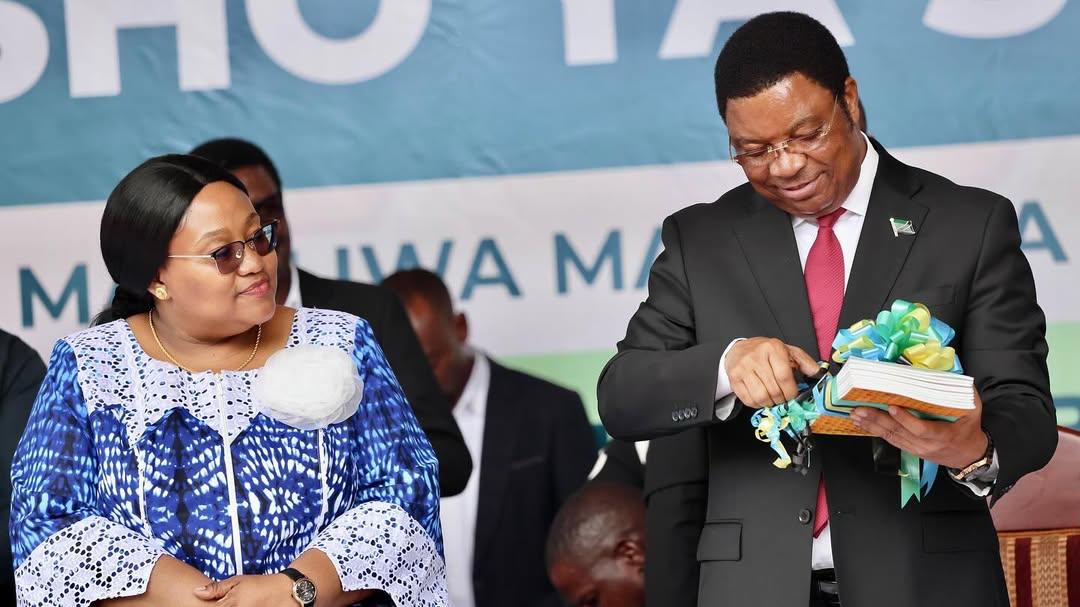
The ceremony was officiated by Mr Majaliwa, who emphasised the pivotal role of the beekeeping sector in the nation’s economy and its potential to contribute significantly to sustainable development.
Under the national theme: “Bee for livelihood, Strong Economy’ lets preserve them and at the global level: “Bee Inspired by Nature to Nourish Us All,” this year’s observance highlighted the importance of pollinators in ensuring food security, biodiversity and ecosystem health.
The event featured exhibitions showcasing various bee products, including honey, beeswax and propolis, underscoring the sector’s diverse economic contributions.
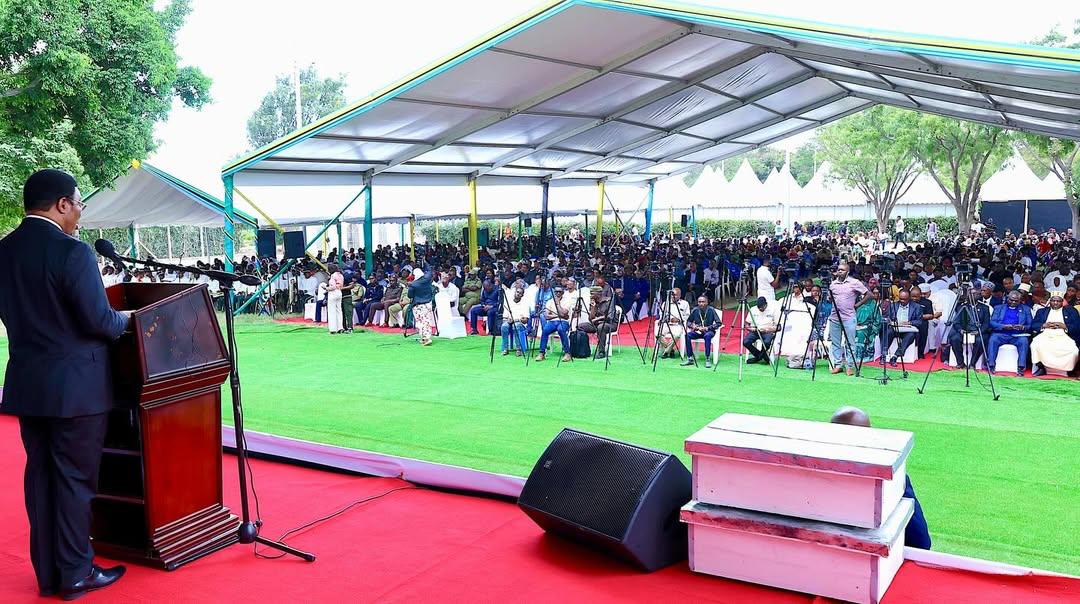
Addressing hundreds of participants, the Prime Minister said that eight industries will be constructed in a bid to make Tanzania’s beekeeping industry among the most active and sustainable economic activities in the country.
“We want to increase markets of bee products in both local and international markets so that Tanzania remains among the countries producing honey and other bee products with high recognition,’’ he said.
ALSO READ: Zanzibar, Pemba reap benefits from infrastructure resilience project
So far, according to Mr Majaliwa, the contribution of the bee sector to the country’s Gross Domestic Product (GDP) is paramount and that Tanzania is leading in the East African Community (EAC) and Southern Africa Development Community (SADC) countries in the production of bee products.
“In Africa, Tanzania is the second country in honey production and in the globe, it is at position 14, however, we need to go further on top of other countries. With a good number of individuals engaged in the value chain, Mr Majaliwa reiterated the government’s commitment to enhancing the sector through initiatives aimed at improving productivity and market access”.
As Tanzania continues to invest in its beekeeping sector, the World Bee Day celebrations serve as a reminder of the critical role that bees play in the nation’s ecological and economic well-being.
According to the Prime Minister, the government’s ongoing support and strategic initiatives aim to ensure that the sector thrives, contributing to the broader goals of economic growth.
The purpose of World Bee Day is to acknowledge the role of bees and other pollinators for the ecosystem. The UN Member States approved the proposal of Slovenia to proclaim 20 May as World Bee Day in December 2017.
The World Bee Day, which commemorated annually on the 20th of May, was established to raise public awareness of the importance of bees and other pollinators, as well as to promote the coordinated development of sustainable agriculture and ecological protection.
As the most critical pollinator in nature, bees directly influence global crop yields and have a profound impact on food security, biodiversity and economic value chains.
Earlier, prior to welcoming the Prime Minister, the Minister for Natural Resources and Tourism, Dr Pindi Chana said that the event drew participants from across the country who had been given massive education on the importance of the bee sector and Tanzania’s position on the sector.
The minister advised Tanzanians who participated at the climax of the celebrations to tap the potential of the 10 percent loans provided to Youth, Women and Persons with Disabilities to invest in the bee sector.
According to her, Tanzania plans to increase bee related products from the current 34,861 tonnes of honey to about 75,000 tonnes by June 2035 as well as creating a total of 43,055 employment opportunities countrywide.