

Creating connections of harmony and understanding: The community’s contribution to enhancing national unity
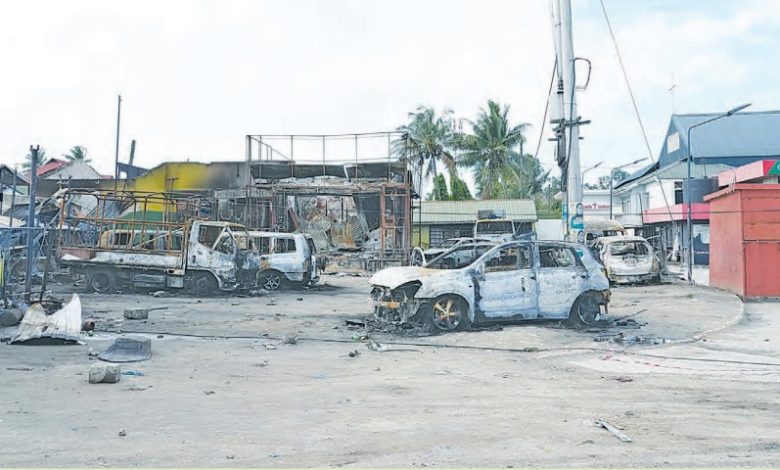
IN contrast to other nations in our region, Tanzania’s national unity and peace stand out not only as significant strengths but also as valuable assets for the country.
For many years, the nation has fostered an environment of unity, mutual respect among diverse ethnic and religious groups and a steadfast dedication to peace and harmony.
Nevertheless, like any nation, Tanzania has experienced periods of discord stemming from political rivalry, social disparity, misinformation, or evolving economic and generational expectations. In these instances, reconciliation is crucial not merely for mending rifts, but also for unleashing the shared capabilities of communities and preserving the nation’s unity.
Communities are essential for maintaining cohesion. Before issues escalate to national discussions, they emerge at the community level and that is within neighbourhoods, local institutions, families, religious spaces and workplaces.
Enhancing unity is not solely a function of policy or leadership; it also requires a foundational commitment at the grassroots level, grounded in dialogue, empathy and collective advancement among the people of Tanzania.
While acknowledging the importance of a central community role, reconciliation extends beyond mere forgiveness or forgetfulness. This involves recognising differences or grievances, clarifying misunderstandings, mending relationships and reinstating trust between individuals and groups.
In Tanzania, a place where diversity has traditionally been nurtured through cooperation and mutual respect, reconciliation will continue to strengthen the social contract that unites society. Communities frequently serve as the initial observers of tensions, whether they pertain to land disputes, generational misunderstandings, economic inequality, or cultural perceptions.
If not addressed, these ten sions can slowly diminish trust, weaken collaboration and foster divisions that threaten unity.
Reconciliation provides a means to turn conflict into positive interaction. After periods of political contestation, community dialogues facilitated by elders, faith leaders, respected community figures, or civil society organisations can encourage individuals to reflect, share perspectives peacefully and realign around common priorities such as development, livelihoods and social welfare.
These forums remind citizens that, despite differing political opinions, our shared identity as Tanzanians and members of the same community should take precedence over our differences. Thus, in community dialogue, it lies at the heart of community-based reconciliation.
When people are given safe spaces to express concerns, clarify misunderstandings and listen to one another, mistrust begins to dissolve. Inclusive dialogue, therefore, fosters empathy, helping groups recognise that their challenges are often interconnected.
In Tanzania, local government structures, village assemblies and ward committees provide natural platforms for such engagement. When these spaces are used effectively and inclusively, they strengthen participatory decisionmaking and deepen a sense of belonging.
ALSO READ: NEVER AGAIN: Social media must build, not break the nation
Equally important is the language used in public discourse. Respectful communication both online and offline helps manage disagreement without hostility. Community leaders and influencers have a responsibility to discourage inflammatory speech and instead promote messages that highlight unity, cooperation and shared values. Communities seeking to strengthen unity must confront real challenges.
Some of these include youth unemployment, misinformation and limited civic awareness. If not addressed, these challenges can fuel frustration and suspicion.
Many young people face barriers to employment, business opportunities and participation in decision-making. When youth feel excluded, they may align with divisive narratives. Empowering youth through skills training, entrepreneurship support, mentorship and civic engagement programmes can help to transform youth into active contributors to unity and development.
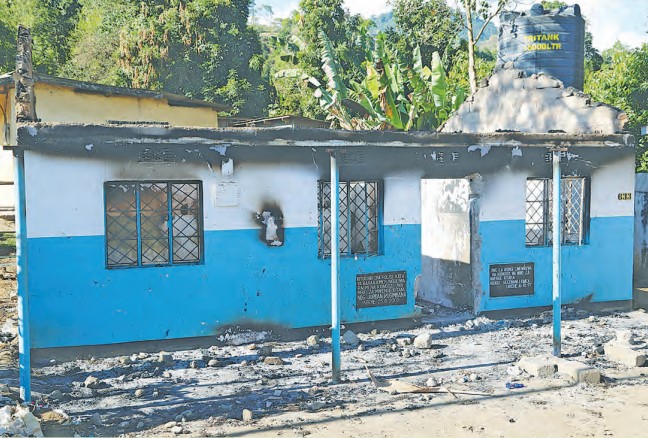
during the 29 October 2025 unrest in Arusha.
Another challenge we need to address as Tanzanians is the spread of rumour-driven misinformation, particularly in the digital era. We can overcome this by promoting media literacy, verifying information before sharing and encouraging responsible online behaviour and content sharing.
Local leaders, teachers and youth groups can play a significant role in countering misinformation with facts and constructive dialogue. I stand to be corrected, but to date, culture has long served as a unifying pillar in Tanzania. Traditions of collective problem solving and respect for elders provide powerful tools for reconciliation.
Elders, traditional leaders and cultural institutions carry legitimacy within many communities and can mediate disputes with wisdom and neutrality.
Such initiatives are particularly valuable in areas where historical misunderstandings or identity-based tensions exist. By reframing diversity as an asset rather than a threat, communities build resilience against division and conflict. Tanzania’s long tradition of interfaith coexistence provides a strong foundation for unity.
Faith leaders are trusted voices who can calm tensions, discourage hate speech and promote forgiveness and reconciliation. Joint interfaith activities, such as peace prayers and humanitarian outreach, help bridge divides and reinforce the message that unity transcends political or sectarian differences.
When faith leaders emphasise compassion, respect and tolerance, communities are more likely to embrace peace-building principles. What many people don’t realise is that reconciliation and unity are not only moral imperatives but also deliver significant developmental benefits.
A united community is better placed to collaborate on economic projects, attract investment and manage local resources fairly. Unity reduces conflict related disruptions, fosters innovation and strengthens collective bargaining power.
For instance, when youth groups come together to develop community enterprises, they create employment and foster self-reliance. When citizens collaborate with local government on development planning, projects are owned by them, making them more sustainable and inclusive. Communities that trust one another respond more effectively and recover more quickly.
Above all, education is one of the most powerful tools for fostering reconciliation and unity. Schools, universities and community learning programmes, in my view, help to shape values of tolerance, critical thinking and national identity. Civic education, in particular, encourages citizens to understand their rights, responsibilities and role in promoting peace and social cohesion.
When communities invest in education, they create informed citizens who can resist division, engage constructively in governance and contribute to peaceful development. Young people who recognise the importance of unity are less vulnerable to manipulation or divisive ideologies. Strong community leadership is essential to guiding reconciliation efforts.
ALSO READ: Tanzania lures its citizens to apply for small-scale mining licenses
Leaders, formal and informal, must model integrity, fairness, transparency and inclusiveness. When leadership is accountable and responsive, trust in local institutions rises, reducing the likelihood of conflict. At the same time, unity must not silence legitimate grievances.
Reconciliation requires listening, acknowledging concerns and addressing inequalities rather than ignoring them. True unity is built not through suppression but through justice and shared progress.
Having had the opportunity to traverse the diverse regions of Tanzania, I can affirm that unity represents not only a historical accomplishment but also a continuous obligation for the nation.
Communities will perpetually be the vital essence of national unity. Through promoting reconciliation, engaging in inclusive dialogue, resolving social and economic challenges and creating opportunities for collective development, communities play a crucial role in preserving the peace and harmony that will characterise our nation.
Enhancing unity is not merely a singular endeavour; it is an ongoing pursuit that requires empathy, collaboration and unwavering commitment from every individual in the community.
When communities choose reconciliation over division and prioritise cooperation over conflict, they lay a stronger foundation for national stability, prosperity and a shared aspiration for future generations.



When someone writes an paragraph he/she keeps the thought of a user
in his/her mind that how a user can understand it.
Therefore that’s why this post is amazing. Thanks!
Wonderful blog! I found it while surfing around on Yahoo News.
Do you have any suggestions on how to get listed in Yahoo News?
I’ve been trying for a while but I never seem to get
there! Cheers
Hey! I just wanted to ask if you ever have any issues with hackers?
My last blog (wordpress) was hacked and I ended up losing a few months of hard work due to
no backup. Do you have any methods to protect against hackers?
Hey there, I was wondering if you took guest posts on dailynews.co.tz? If so, how would I go about getting one on your site? If there is a fee, let me know.
Also, if you have any other sites you can get me a post on please list them.
Thanks
Justin