

COLUMN: NEW THINKING. BRICS and Global South: What’s at stake for Tanzania?
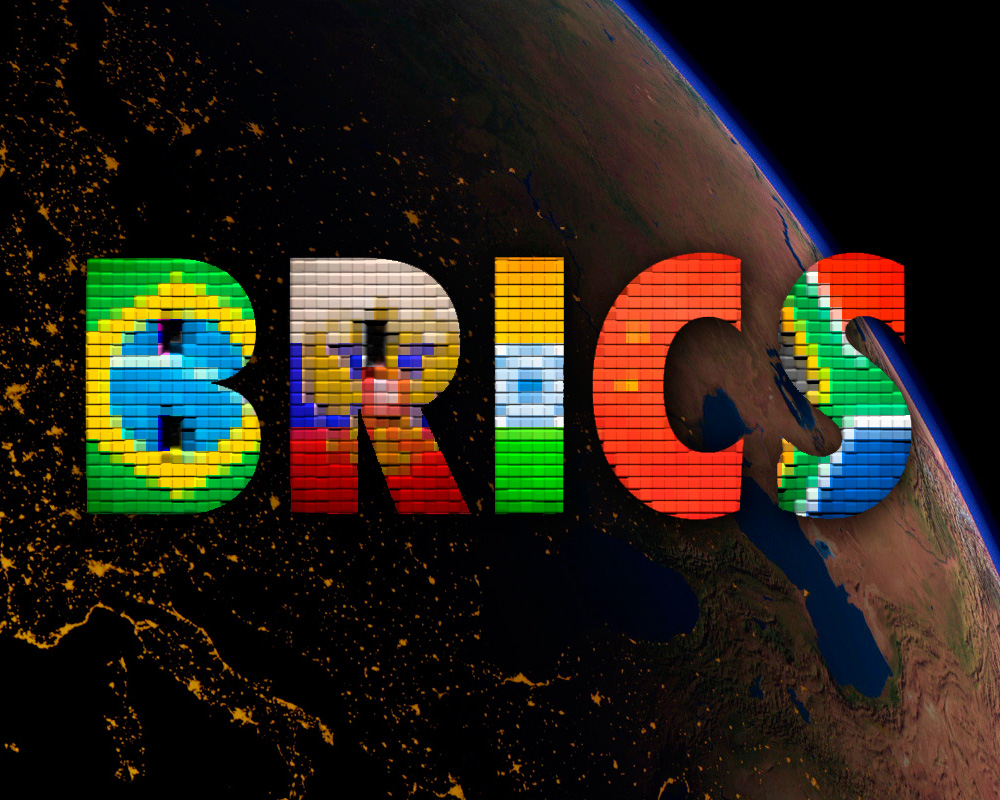
THE 2025 BRICS Summit, held in Rio de Janeiro from 6–7 July, marked a notable departure from previous gatherings. For the first time, the bloc emphasised the need to increase IMF quotas and World Bank shareholding for developing countries and emerging markets (DCEMs).
Unlike earlier summits that often leaned heavily on declarations, this year’s event pushed for tangible reforms to global financial governance, aimed at giving the Global South a more equitable role in the system.
My immediate reaction to this development is clear: quota realignment must not come at the expense of smaller economies like Tanzania. Rather, it should reflect evolving global economic realities and empower developing countries to contribute meaningfully to decision-making structures.
With over 30 nations expressing interest in joining BRICS as full members or partners, momentum for this change is undeniable. From June 24 to 28, I had the privilege of participating in the SADC-DFRC CEO Forum in Gaborone, Botswana.
This forum explored financing options for Development Finance Institutions (DFIs), governance issues and access to resources. One key realisation from these discussions was how significantly Tanzania could benefit from closer engagement with BRICS, particularly through the New Development Bank (NDB), which finances infrastructure and sustainable development projects across emerging economies.
My conversations with an NDB official from South Africa further reinforced the growing relevance of BRICS. The bloc increasingly positions itself as a financial alliance of the historically marginalised, offering credible alternatives to traditional Western institutions.
Countries like Colombia and Bolivia have recently expressed interest in joining BRICS, with Colombia notably shifting away from longstanding US influence towards a more independent foreign policy.
As of 2025, the full BRICS members include Brazil, Russia, India, China, South Africa, Saudi Arabia, Egypt, the UAE, Ethiopia, Indonesia and Iran. Partner countries include Belarus, Bolivia, Cuba, Kazakhstan, Malaysia, Nigeria, Thailand, Uganda and Uzbekistan.
ALSO READ: COLUMN:FINANCIAL MARKETS DIGEST. DSE equity turnover declines by 17 per cent
This growing list highlights the bloc’s expanding influence and its appeal as a platform for nations seeking greater economic sovereignty. Despite receiving less global attention than the 2024 Kazan Summit—possibly due to Brazil’s concurrent hosting of COP30— the 2025 Rio Summit attracted more interest than expected.
US President Donald Trump stirred controversy by threatening a 10 per cent tariff on any country that joins BRICS or bypasses the U.S. dollar. But the reality is that a shift is already underway: Bilateral trade in local currencies and the growing mistrust of US economic policies—particularly Trump’s tariff threats have begun unsettling global markets. The US Dollar Index reportedly declined by 8.8 per cent since June 2024.
Meanwhile, several UN-aligned investment bodies have expressed concerns over the dollar’s long-term status as the world’s reserve currency, suggesting alternatives such as the Chinese yuan, Japanese yen, or a future BRICS-issued common currency. The 2024 Kazan Summit set a high standard with its institutional innovations.
Russia introduced a BRICS Finance Track, Central Bank Working Group, Payments Cooperation Council, Information Security Channel and Anti-Corruption and Space Councils.
It also launched a Healthcare and Nuclear Medicine Working Group. Brazil followed in 2025 by establishing five more working groups focused on employment, SMEs, counterterrorism, disaster management and competition policy.
These developments raise an important question: How relevant are they to countries like Tanzania seeking to join BRICS? From my perspective, they offer significant opportunities.
While Kazan emphasised multilateral institutional reform, Rio’s summit leaned more toward amplifying the voice of the Global South in shaping the evolving world order.
Looking ahead to the 2026 BRICS Summit in India, questions remain. India’s role as a swing state—bridging the Global North and South—is under scrutiny, with internal scepticism in the bloc about its long-term commitment to BRICS’s transformative vision.
ALSO READ: COLUMN:THE CLIFF. BHP out, SPAC in: Can Tanzania still win?
This uncertainty highlights the urgency for African countries like Tanzania to strategically position themselves within the shifting global power landscape.
For Tanzania, the potential benefits of closer alignment—or eventual BRICS membership— can be outlined across four strategic dimensions. First, strategic alignment with emerging powers.
BRICS is increasingly a multipolar coalition rather than a narrow economic bloc. Membership would allow Tanzania to reduce dependence on Western-centric institutions like the IMF and World Bank and instead engage in more balanced, South-South cooperation frameworks for development and governance. Second, economic diversification and trade expansion.
Closer alignment with BRICS would open access to the NDB and other alternative financing mechanisms. It would also support intra-BRICS trade, especially in strategic sectors like agriculture, green energy, mining and manufacturing. Tanzania already enjoys strong economic ties with China and India and BRICS membership would strengthen those relationships.
Third, regional leadership in East Africa. Tanzania’s bid to join BRICS would signal its ambition to lead economically and diplomatically within East Africa and the broader African continent.
Observer status or full membership could increase Tanzania’s influence within the EAC, SADC and AU, positioning it as a more prominent voice on global economic and climate policy platforms.
Fourth, reduced reliance on the US dollar and conditional Western financing. Tanzania’s 2025/2026 fiscal budget already emphasises exploring alternative financial sources.
BRICS’s promotion of local currency settlements, digital currencies and new financial systems could protect Tanzania from currency volatility and lessen exposure to politically charged conditional loans.
In conclusion, Tanzania stands at a strategic crossroads. As BRICS expands, so does the window of opportunity for countries like ours to shape a more balanced and just global financial system.
Whether through full membership, observer status, or institutional engagement with the NDB, Tanzania should not shy away from BRICS. Doing so would demonstrate ambition, autonomy and a commitment to a more inclusive global economic order—one in which the voices of the Global South are not only heard but help lead.


140844 763684I surely did not understand that. Learnt 1 thing new today! Thanks for that. 151541