Bolt drivers welcome government’s safety initiative
DAR ES SALAAM: FOR Hussein Juma, a Bolt driver in Dar es Salaam, every ride is a gamble. While most passengers are simply looking to get from one place to another, there’s always the lingering fear of picking up the wrong person—a risk that has led to troubling encounters for many drivers in Tanzania’s ride-hailing sector.
Now, a new government initiative promises to change that. The Ministry of Transport has announced a special plan to enhance the safety of Bolt drivers and passengers, addressing some of the key challenges that have made their work unpredictable—and, at times, dangerous.
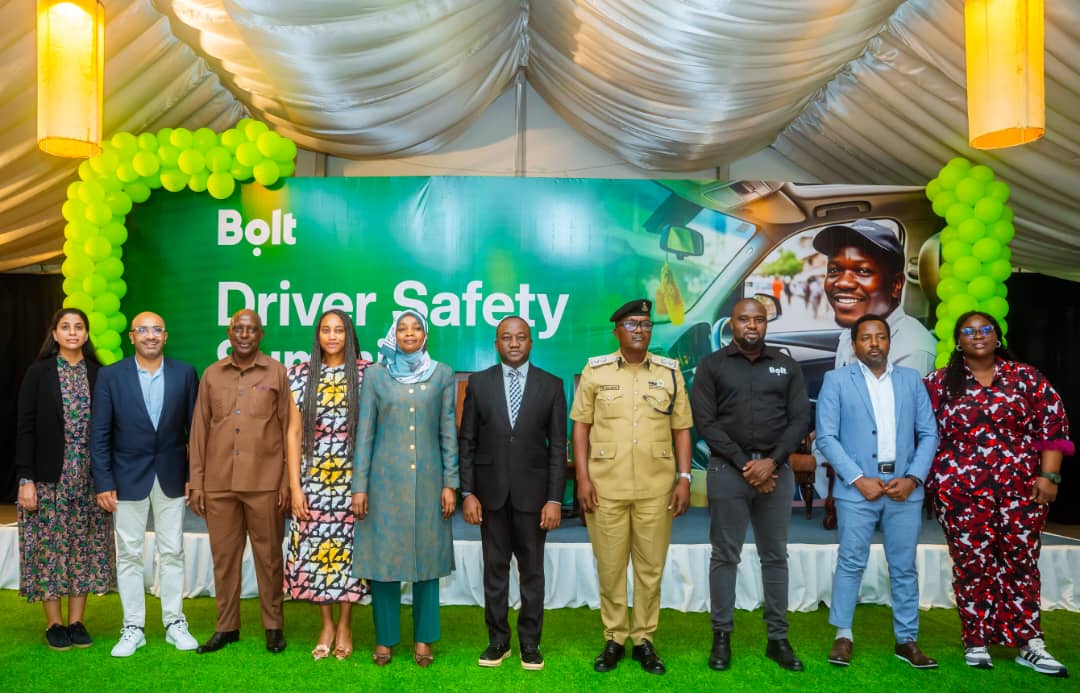
Speaking during the Bolt Online Drivers’ Safety Summit, Assistant Director of the Ministry of Transport, Andrew Magombana, assured drivers that they were not alone. “We recognize that one of the biggest challenges you face is picking up a different passenger from the one who originally requested the service. This is a major factor contributing to crime,” Magombana said.

For drivers like Juma, who has been working with Bolt for three years, these efforts could bring much-needed relief. “There have been cases where drivers were attacked because they unknowingly picked up someone using another person’s account,” he said. “Knowing that steps are being taken to stop this gives us hope.”
Bolt Tanzania’s Director, Dimmy Kanyankole, emphasized the company’s ongoing efforts to improve safety, including preventing account-sharing among drivers. “These measures have significantly reduced crime and enhanced safety,” Kanyankole said. “Meetings like this are essential for strengthening collaboration between Bolt and its drivers.”
ALSO READ: Bolt announces 10% fare increase amid increased driver operating costs
But even as safety concerns are addressed, another major issue looms large: healthcare. Fay Mashallah, a Bolt driver and Chairman of the Tanzania Online Drivers Association (TODA), took the opportunity to highlight a pressing need. “The biggest request we have is for Bolt to assist drivers in accessing affordable health insurance,” he said. “This will enable us and our families to receive medical care without struggling.”
The government’s plan includes measures to help drivers verify passengers before pick-up, ensuring they only transport those who booked the ride. The initiative also seeks to improve designated parking areas at airports, introducing a structured system that will make waiting for fares more secure and convenient.

For many drivers, their work is their lifeline, and health-related setbacks can be devastating. Without insurance, even minor illnesses can mean days off the road, lost income, and mounting medical bills.
Kinondoni Regional Police Commander Solomoni Mwangamilo also addressed drivers at the event, urging them to cooperate with law enforcement officers during routine stops. “There have been instances where drivers fake illnesses to avoid inspections,” he said. “We are here to ensure your safety, so let’s work together to improve road security.”
As the initiative moves forward, Bolt drivers hope these changes will mark the beginning of a safer and more supportive working environment—one where their concerns are not only heard but acted upon. For Juma and thousands of others navigating Tanzania’s streets every day, the promise of a safer ride is not just about their jobs—it’s about their lives.