25 nations meet in Dar to harmonise PPR vaccination

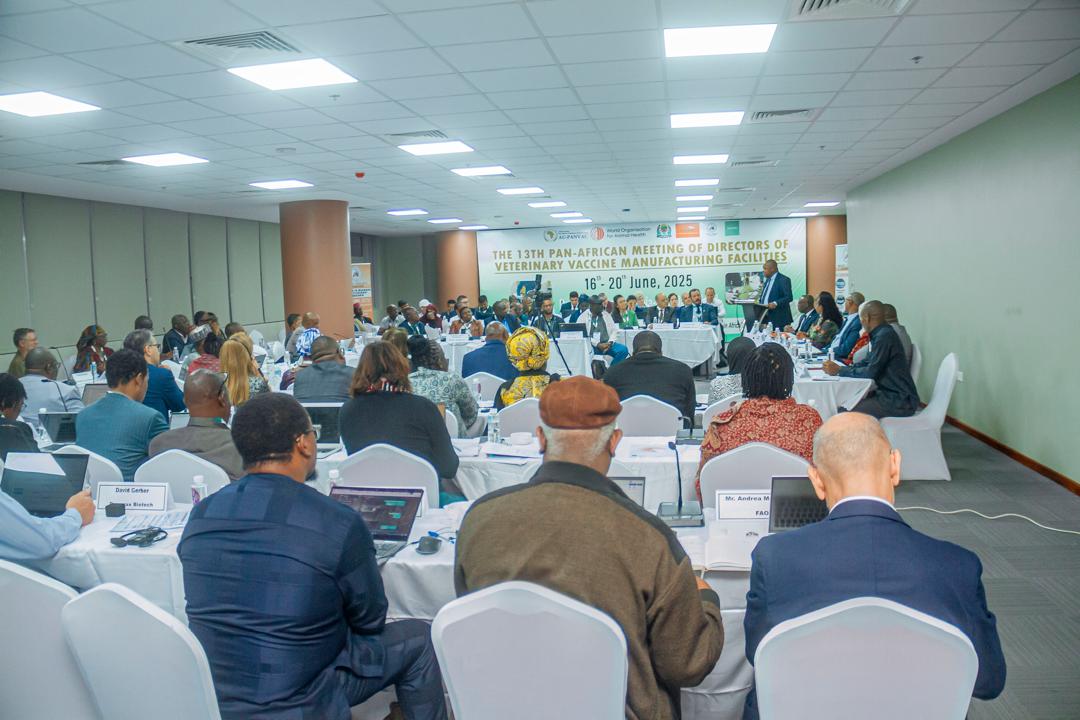
DAR ES SALAAM: Over 100 animal health experts and stakeholders from 25 African nations have convened in Dar es Salaam for a five-day workshop to develop unified vaccination guidelines against Peste des Petits Ruminants (PPR), a highly contagious disease devastating sheep and goat populations across the continent.
The workshop, officially opened yesterday by the Permanent Secretary in the Ministry of Livestock and Fisheries, Prof. Riziki Shemdoe, marks a significant milestone in Africa’s efforts to eradicate PPR by 2030.
Prof Shemdoe emphasized that the harmonised guidelines will help African countries implement coordinated vaccination campaigns, improve vaccine quality control, and strengthen disease surveillance systems.
“The harmonisation of PPR vaccination guidelines across Africa marks a critical step forward. Aligning national standards and protocols will enhance the efficiency and effectiveness of vaccination campaigns, ensure consistent vaccine quality, and improve disease surveillance,” said Prof. Shemdoe.
He noted that fighting PPR requires a multi-faceted approach—including vaccination, enhanced surveillance, and the strengthening of veterinary services—and that the new guidelines will align with global health and trade standards.
“With a unified guideline, we can ensure the traceability and reliability of our livestock vaccines and products. This is a major step toward enabling Tanzanian meat exports to meet international standards and compete in the African Continental Free Trade Area (AfCFTA) and beyond,” he added.
ALSO READ: Tanzania roles out national livestock vaccination, identification campaign
The Director General of the African Union Pan-African Veterinary Vaccine Centre (AU-PANVAC), Dr Charles Bodjo, underscored the importance of harmonized standards in ensuring vaccine quality and improving animal health systems across the continent.
“With these harmonised guidelines, we can ensure vaccines meet consistent quality standards across Africa. This will strengthen our ability to detect and control animal diseases and foster cooperation among regulatory bodies,” said Dr Bodjo.
He also highlighted that a collaborative approach will empower vaccine manufacturers and veterinary authorities to share data and identify substandard vaccines more efficiently.
“PPR is a major threat to food security and rural livelihoods in Africa, where millions depend on small ruminants for income and nutrition. The Pan-African PPR Eradication Programme is part of a global initiative to eliminate the disease by 2030,” he added.
The workshop is expected to produce a unified framework to guide all African countries in combating PPR while also contributing to broader goals of strengthening veterinary services and boosting livestock-based economies.
Manager of the Tanzania Vaccine Institute (TVI), Dr Charles Mayenga revealed that Tanzania has already developed seven types of livestock vaccines and is actively conducting research to improve disease control efforts locally and across the continent.
He noted ongoing efforts to create a harmonized PPR vaccine registration guideline that would simplify approval processes across Africa.
“The aim of a single registration guideline is to ensure all countries adopt it uniformly. This will be a critical tool in helping Africa reach the global target of eradicating PPR by 2030,” said Dr Mayenga.
He also acknowledged the challenges Tanzania faces in exporting vaccines and livestock products due to sporadic disease outbreaks and limited vaccination campaigns, which undermine international confidence in the safety of its animal products.
“Through this unified guideline, we aim to ensure the production of high-quality, safe vaccines that will help us access foreign markets,” he said.
Among the 13 major diseases threatening Africa’s livestock trade, Dr Mayenga affirmed that PPR remains a top priority being addressed at the workshop, with the ultimate goal of total eradication.