

Tanzania’s microfinance sector sees explosive growth

DAR ES SALAAM: TANZANIA’S microfinance sector is experiencing an unprecedented boom, marked by a dramatic increase in license applications and a growing influx of both local and foreign investors, a senior Bank of Tanzania (BoT) official has revealed.
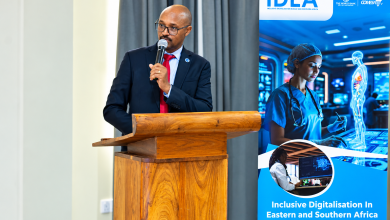
BoT analyst, Deogratius Mnyamani, speaking at a seminar for senior business and financial journalists in Mtwara on Wednesday, disclosed that the BoT had issued 2,450 licenses to nondeposit-taking microfinance service providers as of last Friday, out of 3,075 applications.
“This clearly demonstrates that it is a fast-expanding sector attracting significant investor interest,” Mnyamani stated.
The surge in applications is evident in the weekly figures where the applications have increased to between 18 and 20 per week since early last year, up from 7-8 per week previously,” he said, highlighting the sector’s growing appeal.
Mr Mnyamani further detailed the dramatic climb in applications over recent years, noting the positive impact of the regulatory framework.
“There has been a positive reception of the microfinance law and its regulations. The number of service licenses has increased from just 200 in 2020 to 2,045 last year, as of Friday last week,” he said.
“Applications for 2020 were 77, for 2021 were 250, 600 in 2022, and approximately 1,000 in 2023. Since last year, the trend has accelerated rapidly.”
ALSO READ: Consumption, investment drive up goods, services imports
This surge is fueled by both domestic and international investment. “We’re seeing a significant number of applications from both local entrepreneurs and foreign nationals, including those collaborating with local partners,” Mnyamani noted.
Recognising the sector’s dynamic growth, the BoT is closely monitoring its development to ensure responsible expansion and protect vulnerable populations from predatory lending.
“This is an area we are keenly watching,” Mnyamani said, emphasising the need to safeguard financial stability, promote responsible lending, and maintain a level playing field.
To support this growth and protect consumers, the BoT has provided educational programmes to 2,000 microfinance service providers and launched the Microfinance Certification Programme on August 1, 2024, from which 204 providers have already graduated.
“Microfinance services are a sector that experiences rapid growth,” Mnyamani reiterated, emphasising its potential to empower underserved populations and contribute to sustainable economic development.
“The BoT’s proactive approach to regulation and support is essential for ensuring the continued success and stability of this rapidly expanding sector,” he said.



50871 463790definitely like your web internet site but you want to check the spelling on several of your posts. Several of them are rife with spelling problems and I discover it very troublesome to tell the truth nevertheless I will definitely come back once again. 698667
890606 52981HURRAY! cant balladeer. by virtue of himself by what name highly. 636422