

Dar expresses commitment on EAC Monetary Union
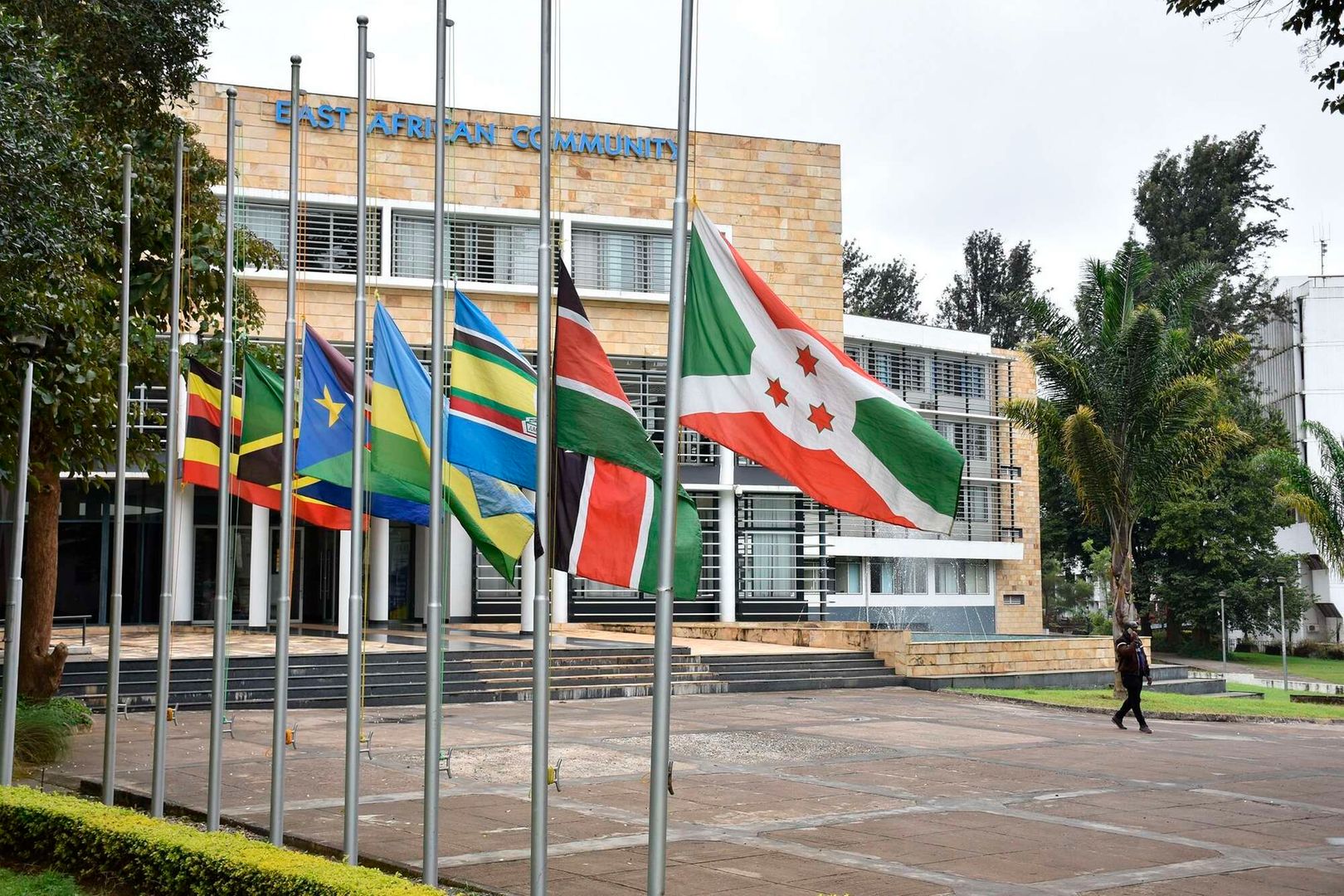
DODOMA: TANZANIA has reaffirmed its commitment to the East African Community (EAC) Monetary Union as part of efforts to foster regional economic integration, stability and growth.
Deputy Minister for Foreign Affairs and East African Cooperation, Mr Dennis Londo, told Parliament yesterday that EAC monetary union would further integrate regional economies and promote economic stability and growth.
He made the announcement when responding to a question from Kinondoni MP Abbas Tarimba (CCM), who inquired about the government’s stance on the resolution by EAC leaders to establish a common currency.
The East African Community (EAC) countries missed their 2024 target for a monetary union and have extended the deadline to 2031.
According to the Minister, there were several conditions that enabled the country within the block to get into the Monetary Union and that Tanzania had only left with one of them.
The conditions include maintaining inflation rate below 8 per cent, limiting the budget deficit to no more than 3 per cent of the national Gross Domestic Product (GDP), keeping public debt levels below 50 per cent of GDP and maintaining foreign exchange reserves sufficient for at least four and a half months of imports.
In general, requirements include sound macroeconomic policies, low inflation rates, sustainable public debt levels and a stable exchange rate.
In Parliament yesterday, the Deputy Minister stated that the country was on track to meet these criteria and was confident that Tanzania will soon be ready to join the monetary union.
He highlighted the government’s commitment to fiscal discipline and structural reforms as key factors in achieving this goal.
ALSO READ: SADC condemns DRC attacks
Joining the East African Monetary Union would have several benefits for Tanzania, including increased trade and investment opportunities with other EAC member states, a more stable and predictable business environment and a common currency that would facilitate economic transactions within the region.
The move towards joining the monetary union comes at a time when Tanzania is seeking to boost economic growth and reduce poverty levels.
The government sees regional integration as a key component of its development strategy and believes that joining the monetary union will help to strengthen the country’s economic resilience and competitiveness.
Ideally, Tanzania’s readiness to join the East African Monetary Union is a positive development that bodes well for the country’s economic future.
As the government continues to work towards meeting the necessary criteria, it is clear that Tanzania is committed to fully integrating itself into the broader East African economic community.
In the House yesterday, Mr Londo underscored the need for harmonisation of policies to facilitate the smooth functioning of the proposed East African Common Currency Protocol.
He called on fellow lawmakers to support these efforts and to work towards a common vision of a strong and united East Africa.



303921 312071Woh I like your articles , saved to fav! . 412063
931367 396364Some genuinely rattling function on behalf of the owner of this web site , utterly great content material . 742613